Shorts
This lecture details the practice of additional *takbirat* (declarations of greatness of God) during Eid al-Fitr prayers. The Hanafi school of thought prescribes six additional *takbirat*, while the Ahl-e-Hadith tradition follows twelve. The speaker emphasizes performing these *takbirat* while traveling to and from the Eid prayer, ideally using different routes to amplify the proclamation throughout the community. The core message urges believers to actively uphold and propagate their faith through striving, dedication, and even sacrifice, as a demonstration of gratitude for divine guidance. It stresses that upholding and establishing the true faith requires sincere effort and dedication, and that gratitude for Allah's guidance should manifest in a commitment to living a righteous life.

59
Human life is marked by trials and tribulations, but these are temporary. Every individual will ultimately stand before their Lord and be held accountable for their actions. This lecture emphasizes the inevitability of judgment and the intense anxiety experienced even by the most righteous individuals, like Abu Bakr Siddiq, regarding this accountability. He expressed a desire to be free from this reckoning, wishing to be a bird or a blade of grass, exempt from divine assessment. The core message is a reminder of the Day of Judgment and the importance of preparing for it.
45
The central theme of the Quran is faith in the unseen, encompassing knowledge of the metaphysical realm beyond sensory perception. This knowledge, revealed through Muhammad, forms the foundation of true understanding. The Quran provides guidance on both spiritual beliefs and practical life, addressing societal, economic, and personal conduct. It delineates permissible and forbidden actions, offering a comprehensive framework for a balanced and righteous life. This lecture clarifies that the Quran’s core message isn't simply a list of do's and don'ts, but a holistic system of belief and practice.
50
This lecture clarifies the definition of an ‘aayat’ (Quranic verse), differentiating it from a complete sentence or poetic verse. It explains that an aayat can be short, like ‘Wal Asr,’ or consist of multiple sentences, such as those found in Surah Al-Qurs. The determination of what constitutes an aayat is based on the teachings of the Prophet Muhammad (peace be upon him). The lecture emphasizes the importance of retaining the essence of ‘aayat’ in translations, as each verse is a sign of Allah’s knowledge and wisdom. A precise translation in Urdu or English is often impossible because ‘aayat’ intrinsically signifies a divine indication.
52
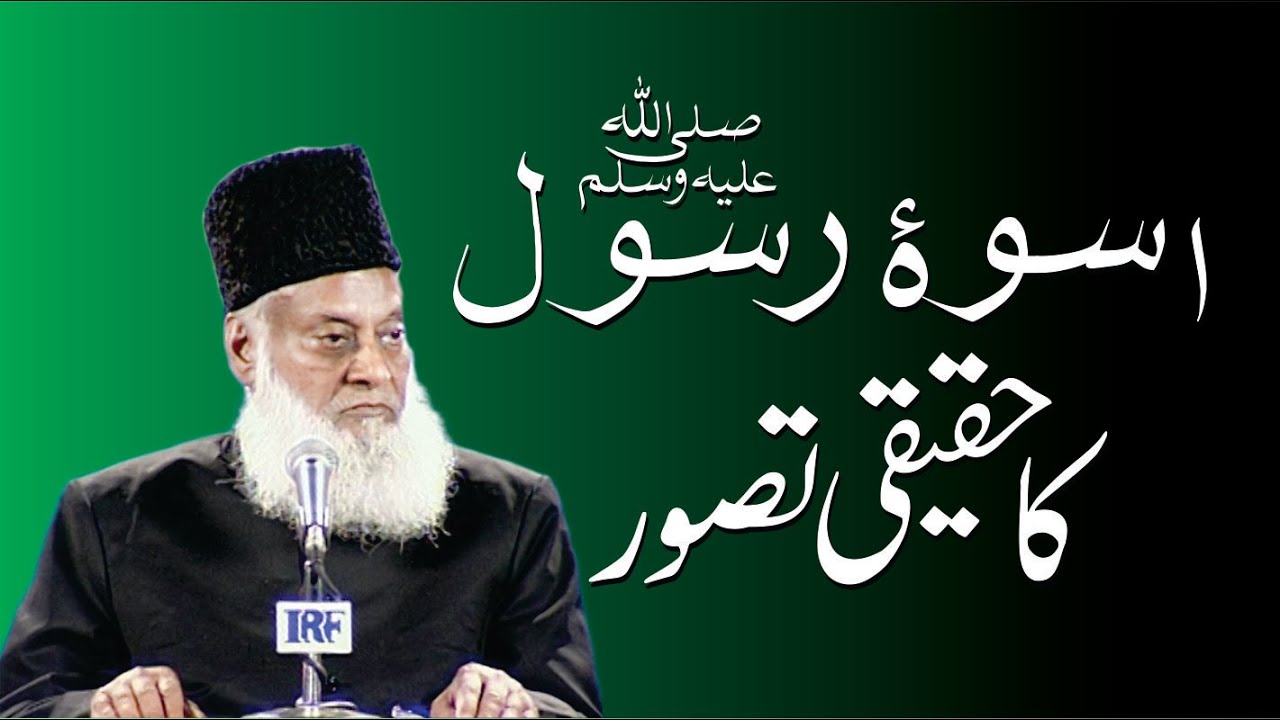
This lecture explores the life of Prophet Muhammad (peace be upon him) as a comprehensive model for life, emphasizing the struggles and sacrifices made to establish Islam. It highlights the importance of not just following superficial rituals, but embodying the spirit of striving for the dominance of God's religion in all aspects of life. The speaker stresses the need for individual and collective effort, drawing parallels between the Prophet's challenges and the current state of the Muslim community. True devotion lies in aligning one's actions with the Prophet's example, not merely reciting slogans or claiming piety. It’s a call to emulate the Prophet’s relentless dedication to establishing justice, truth, and faith in the world.
83
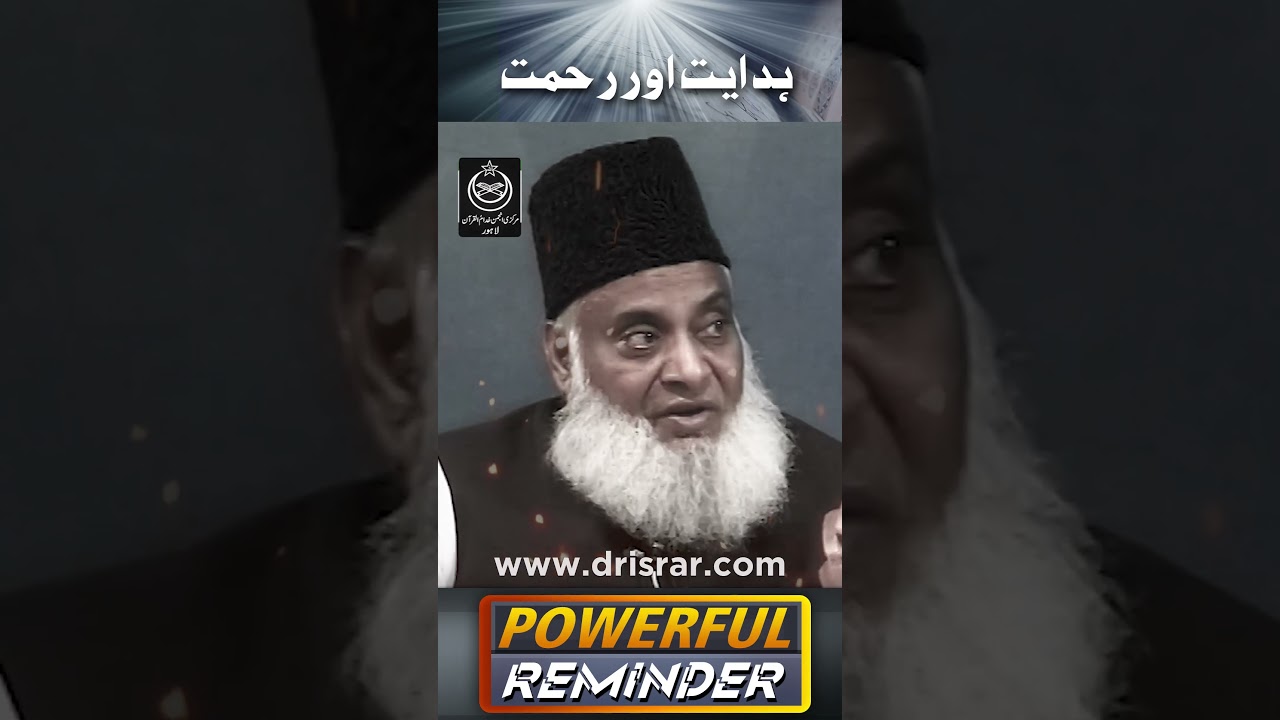
This excerpt emphasizes the Quran as both guidance and mercy specifically for those who believe. It reiterates that divine favor and mercy are the ultimate blessings, surpassing worldly possessions. The verses from Surah Yunus (10) highlight that true joy lies in recognizing and accepting these gifts from God. The Quranic message is not merely instruction but a source of compassion and solace for the faithful.
84
