מִכְנָסַיִים קְצָרִים
The advent of Muhammad ﷺ brought a complete transformation to all aspects of life. Existing beliefs, ideologies, individual personalities, and moral codes were fundamentally altered. Daily routines, social structures, political systems, and societal norms underwent a radical change. A nation previously characterized by widespread illiteracy became a beacon of knowledge and learning, becoming an educator for the world. It absorbed and developed sciences from both the East and West, disseminating them globally. This profound revolution dwarfs any other historical upheaval, including the French Revolution, in its scope and impact.

45
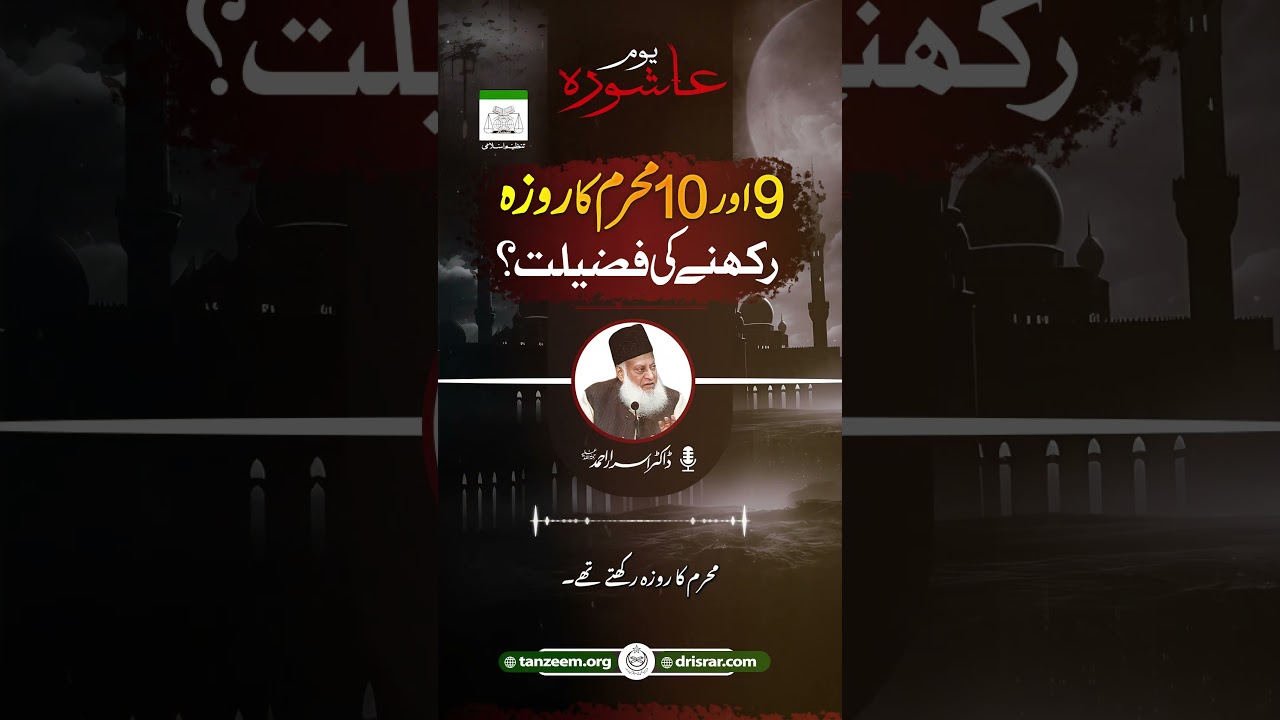
The observance of fasting on the 9th and 10th of Muharram is a recommended practice. It originated from the Prophet Muhammad’s desire to distinguish the Muslims from the Jewish community of Medina, who fasted on the 10th of Muharram commemorating their liberation from Pharaoh. The Prophet, acknowledging a stronger connection to Moses, instructed his companions to fast for two days – the 9th and 10th – instead of one. While not obligatory, this practice holds significance as a voluntary act of worship and a demonstration of the Muslim community's unique identity.
56

The core of a person’s character lies in their priorities: worldly possessions or the afterlife. True faith demands prioritizing the hereafter and seeking Allah’s pleasure above all else. Sufficient provision, even if modest, is superior to excessive wealth that leads to spiritual negligence. Self-sufficiency and reliance on Allah are preferable to a life of abundance and detachment from the Divine. A life of modest means, free from dependence on others, is more virtuous than a life of luxury that breeds spiritual heedlessness. Prioritizing contentment over excess fosters a stronger connection with Allah.
46
This lecture emphasizes that genuine access to the essence of the Quran is only possible through self-purification. The speaker highlights a lament about humanity’s disregard for this immense blessing – neglecting to read, understand, implement, or make the Quran a guiding principle in life. Instead, many actively reject it, shaping their own unfortunate destiny through denial. The core message is a call to prioritize internal purification to unlock the true meaning and benefits of divine revelation.
606

This lecture emphasizes living one's life solely for the pleasure of God. True faith manifests in loving for God's sake, hating what displeases Him, giving in His name, and withholding for His sake. This complete devotion, as described in a hadith, signifies the fulfillment of one's faith and earns divine security. The speaker urges listeners to seek God’s help in achieving this level of dedication.
46

This lecture discusses the historical and cultural significance of veiling practices, specifically addressing a hadith about a woman who approached the Prophet Muhammad (peace be upon him) after the martyrdom of her son. The speaker contrasts traditional Islamic concepts of modesty and privacy with modern, Westernized norms. He emphasizes the importance of maintaining boundaries within the home and the distinction between spaces for women and men, highlighting how these practices reflect a commitment to modesty and dignity even in times of grief. The discussion also points to the historical context of veiling as a marker of respectability and cultural identity, contrasting it with later interpretations. The speaker underscores that a dignified life, even after loss, is a cornerstone of Islamic culture.
143
