Shorts
Iqbal lamented that Muslims often treat the Quran merely as a ritualistic recitation, devoid of understanding and application. He observes that its use is frequently limited to hastening the passing of a dying person with Surah Yaseen. While acknowledging the importance of reading the Quran, Iqbal stresses its primary purpose is to serve as a comprehensive guide for life. He criticizes the lack of focus on implementing its principles and benefiting from its wisdom, reducing a profound source of guidance to a superficial practice. The core message is that the Quran’s potential remains untapped due to a lack of genuine engagement and a failure to integrate its teachings into daily life.

67
The Quran is presented as the ultimate source of clarity and healing for the heart. It eradicates spiritual diseases such as arrogance, envy, materialism, the pursuit of worldly status, and the desire for fame. The Quran’s wisdom illuminates the heart, replacing these negative traits with spiritual purity and understanding. It is a complete remedy for inner turmoil and a guide to a righteous life. The Quran's light dispels darkness and fosters a connection with the Divine.
277
Zamzam water is a miraculous source continuously flowing for centuries despite extensive efforts to determine its origins. Scientific research has failed to explain the immense volume of water consistently replenishing the well. The water possesses unique properties, sustaining life for extended periods as documented in hadith—a person can survive solely on Zamzam water for forty days. This continuous flow and inherent sustenance are considered a divine miracle, a testament to Allah's power.
60
This lecture explores the boundless power and knowledge of Allah. It emphasizes humanity's limited capacity to fully comprehend divine attributes. The speaker highlights the vastness of creation, from the Earth to the galaxies, and how our understanding falls short. The discussion centers on recognizing Allah’s absolute power while acknowledging the limits of human perception and intellect. It asserts that while we cannot measure Allah’s attributes, we can perceive His signs and become grateful worshippers. The lecture underscores the importance of acknowledging Allah’s greatness and submitting to His will.
52
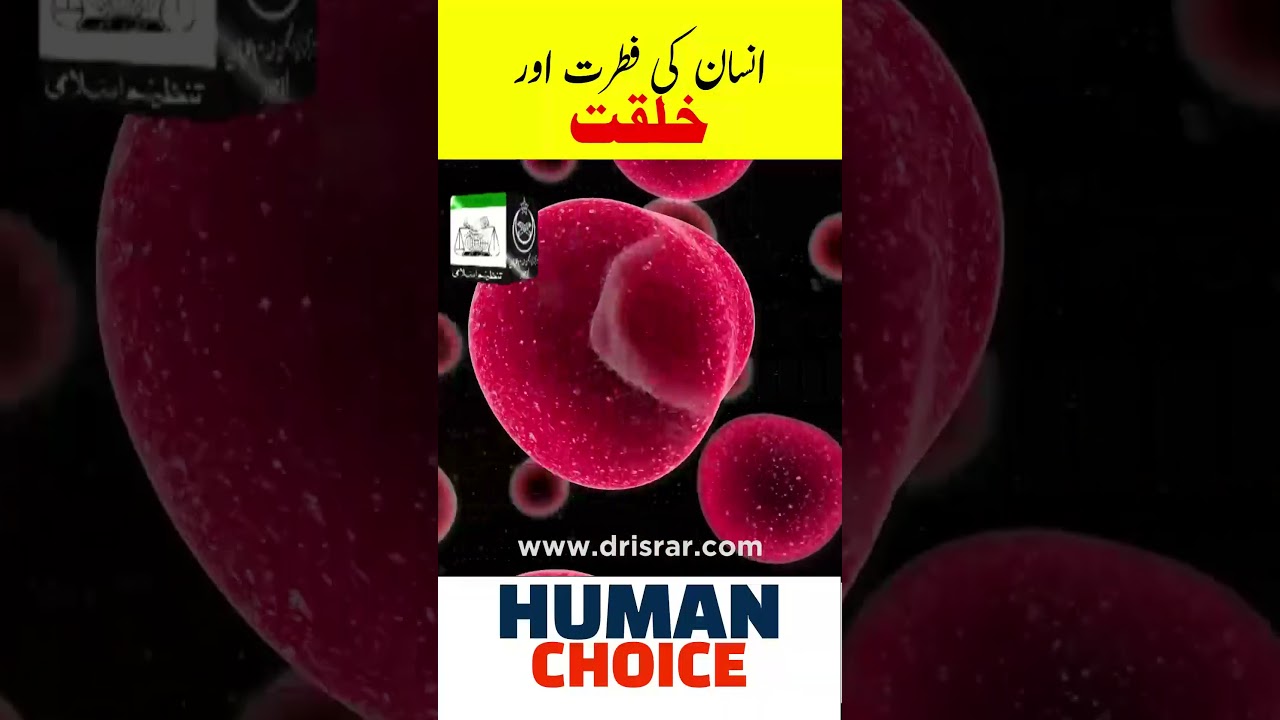
Human life begins with a unique creation, possessing inherent vitality from conception. Even before fertilization, both sperm and ovum exhibit life. All characteristics of life are present in the developing embryo. The embryo is a living organism, not an inanimate object. A crucial stage arrives approximately 120 days after conception. Prior to this, the creation is linked to four specific elements detailed in religious texts. The spirit, or soul, is infused into the embryo after this 120-day period, encompassing and permeating its very being.
50
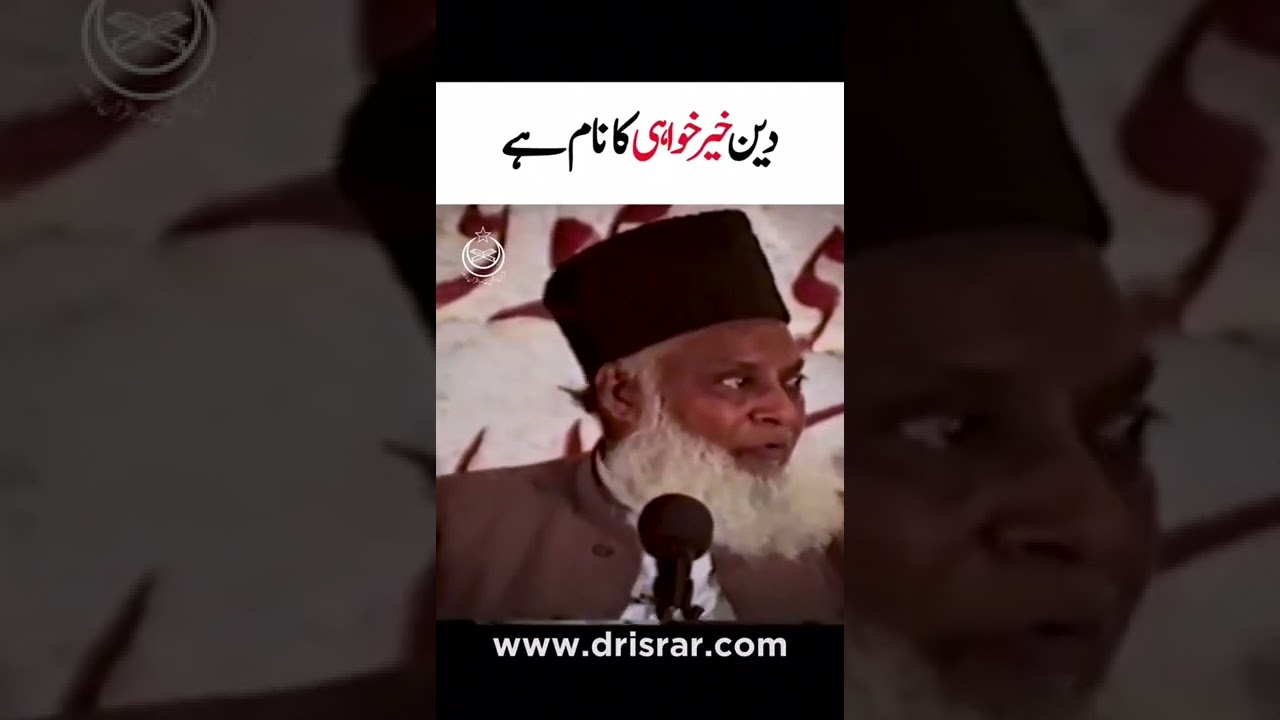
The Prophet Muhammad (peace be upon him) defined religion as sincere advice and goodwill. He emphasized that this goodwill should be extended to God, the Quran, the Prophet himself, the leaders of the Muslim community, and the general populace. This includes offering sound counsel and preventing wrongdoing. The Prophet also stressed the importance of helping others, even those who are wrongdoers. He clarified that assisting a wrongdoer does not mean supporting their injustice, but rather restraining them from their harmful actions. This act of preventing injustice is itself a form of assistance. It is an act of *enjoining good and forbidding evil*.
58
