Shorts
This lecture explores the concept of choosing a difficult, less-traveled path in life as opposed to a broad, popular one. It emphasizes that while the narrow path may be challenging, it ultimately leads to spaciousness and fulfillment. The speaker warns against following the majority who often lead to hardship and emphasizes the importance of choosing a path aligned with spiritual growth and lasting peace. It highlights that true progress lies in embracing difficulty and choosing the less-conventional route.

49
During a gathering, a young, frail boy named Ali, approximately ten or eleven years old, with visibly affected eyes, volunteers to accompany the group despite his physical limitations. He acknowledges his youth, thin legs, and impaired vision, yet resolutely offers his support. This act evokes laughter and signifies a shift in perspective, highlighting the power of unwavering commitment even from the most unexpected sources. The speaker then issues a call to action, encouraging everyone to rise and participate.
53
Zakat, a foundational pillar of Islam, is presented as more than just charity. It’s the initial expression of one’s ability to spend in the way of God, enabling fulfillment of others’ needs. Like a sealed bottle preventing any outflow, hoarding wealth stifles spiritual growth. Zakat unlocks this blockage, even in the most miserly, prompting generosity through obedience to divine command. This act of giving, even if singular, establishes a basis for diminishing the love of wealth within the heart, paving the way for increased compassion and giving.
65

Dr. Israr Ahmad discusses the historical significance of Prophet Muhammad (peace be upon him). He references Dr. Michael Hart’s book, *The 100*, which ranks Prophet Muhammad as the most influential figure in human history. The lecture highlights the revolutionary impact of the Prophet’s life and teachings, establishing him as a pivotal figure who reshaped the course of history. Dr. Hart’s research involved selecting one hundred of the most influential individuals throughout history and ranking them based on their impact, ultimately placing the Prophet Muhammad at the top.
36
This lecture clarifies the Islamic perspective on the rights of neighbors. It emphasizes that if a neighbor isn’t actively hostile or working against Islam, they are entitled to rights as a neighbor. The Prophet Muhammad (peace be upon him) stressed the importance of neighborly relations to such an extent that it was feared inheritance laws might extend to include neighbors. The talk details the significant rights neighbors hold in Islam.
78
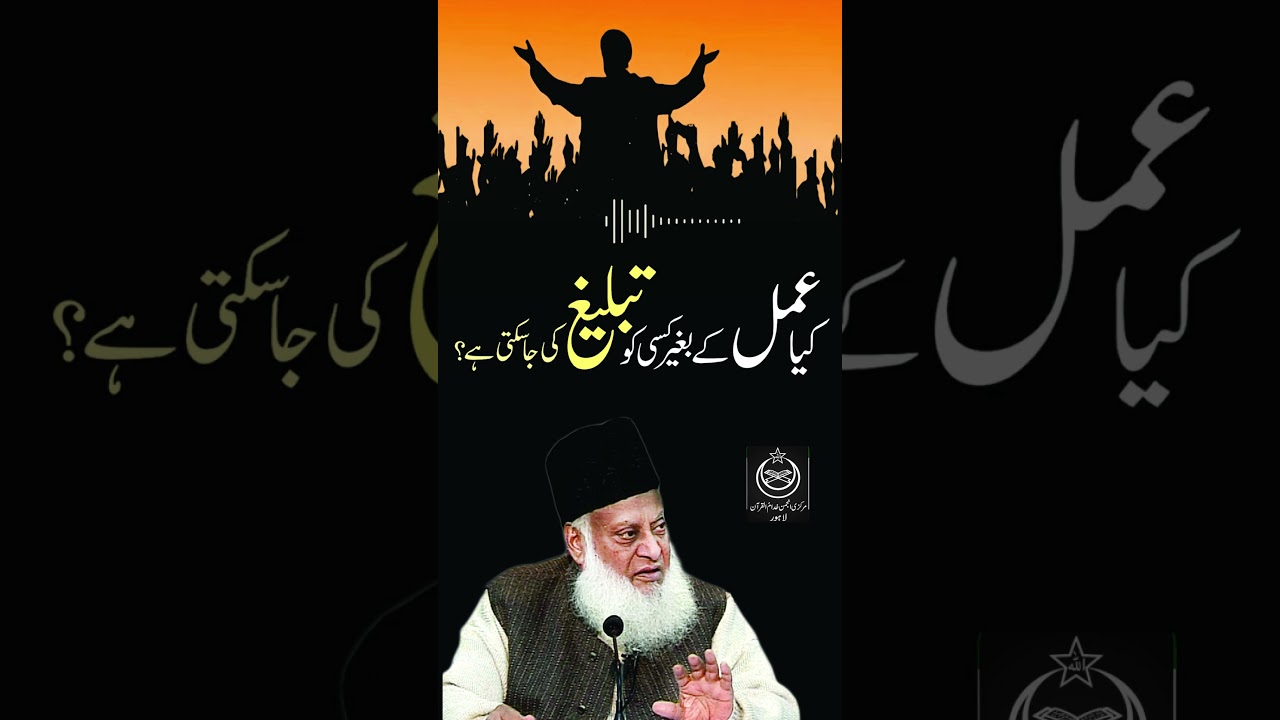
The speaker emphasizes the importance of self-accountability and inviting others to righteousness. He argues that while avoiding criticism is acceptable in personal agreements, actively promoting good deeds opens one's character to scrutiny, which is ultimately beneficial. He suggests that actively engaging in *dawat* (inviting to the right path) necessitates a willingness to examine one's own conduct. Avoiding self-reflection and failing to address personal flaws creates a hypocrisy that will be noted by others. The speaker also highlights that mutual silence regarding wrongdoing, though convenient, does not foster genuine improvement.
56
