Shorts

This lecture explores the historical development and varying scholarly opinions regarding the Taraweeh prayer. It details how the Prophet Muhammad (peace be upon him) practiced Taraweeh, focusing on the practice of eight rak'ats followed by Tahajjud. The discussion highlights the practice established during the Caliphate of Umar ibn al-Khattab, which introduced twenty rak'ats performed immediately after Isha prayer with a single Imam. The lecture clarifies that the four major schools of Sunni Islamic jurisprudence – Hanafi, Maliki, Shafi'i, and Hanbali – concur with the practice established by Umar. It also addresses the differing views of the Ahl-e-Hadith, who maintain the original practice of eight rak'ats. The lecture emphasizes the importance of adhering to the Sunnah of the Prophet and the rightly guided Caliphs, as well as the scholarly consensus on the practice of twenty rak'ats, which is observed in the two holy mosques of Mecca and Medina. The lecture also acknowledges Ahmad ibn Hanbal as a prominent scholar and the importance of his Musnad.

108
This lecture emphasizes that true service to humanity lies in saving people from the torment of hellfire, rooted in the belief that the afterlife is the true existence. It highlights that indifference to the suffering of others, particularly their spiritual peril, demonstrates a lack of compassion. The core message is that preventing someone from entering hell is the greatest act of service, especially if one is aware of the consequences of disbelief. Genuine faith necessitates actively guiding others towards salvation and alleviating their spiritual hunger.
70
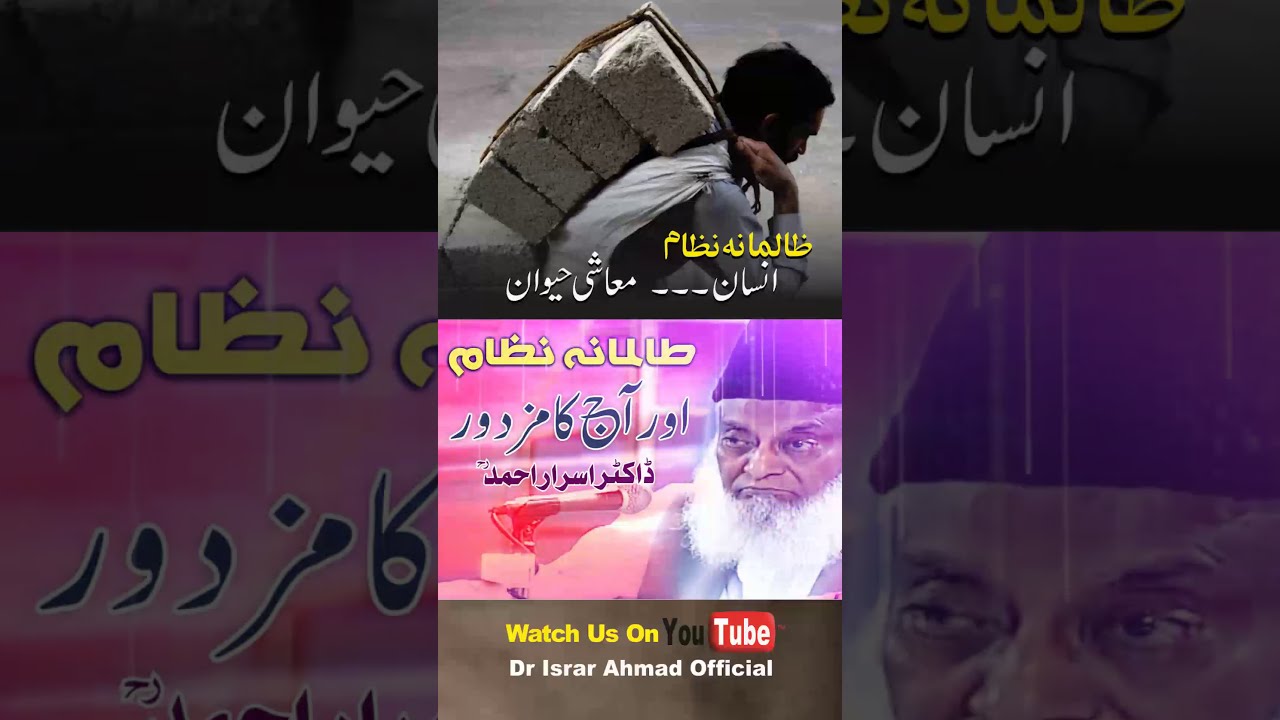
This lecture addresses the plight of the impoverished, highlighting the harsh realities faced by those struggling to meet basic needs. It emphasizes that individuals preoccupied with daily survival – those who cannot consistently secure even two meals a day and labor for ten to twelve hours – are deprived of the capacity for spiritual contemplation. The speaker asserts that systemic poverty degrades humanity, reducing individuals to a bestial existence, akin to livestock. This degradation strips them of their dignity and their ability to connect with the divine.
1,408
This lecture explores the prophetic declaration that the message of the Prophet Muhammad (peace be upon him) was intended for all of humanity, referencing the Quranic verse, “And We have not sent you, [O Muhammad], except as a messenger to all people.” It discusses the incomplete realization of divine governance on Earth and emphasizes that the ultimate triumph of God’s religion over all of humankind is yet to be fully achieved. The lecture draws upon the poetry of Allama Iqbal to highlight the ongoing nature of this divine plan and the necessity for continued effort in establishing the dominance of the truth.
47

Dr. Israr Ahmad explains the true meaning of poverty (miskin) in Islam. It isn’t merely a lack of wealth, but rather the failure to fulfill obligations to others. A person may perform many acts of worship – prayers, fasting, pilgrimage – yet be considered bankrupt on the Day of Judgment if they have wronged people by depriving them of their rightful inheritance, slandering them, or otherwise violating their rights. Their good deeds will be distributed to those they harmed, leaving them with nothing but the weight of their sins and ultimately destined for Hell. This lecture clarifies that true poverty lies in spiritual bankruptcy, not material lack.
65

This lecture emphasizes the importance of respectful communication among believers. It advises maintaining polite language even when responding to rudeness, avoiding mirroring negative behaviors, and prioritizing peaceful interactions. The speaker highlights Satan's intent to sow discord and animosity, urging listeners to counter this by fostering kindness and understanding. Maintaining a gentle demeanor, even in the face of provocation, is presented as a crucial aspect of Islamic ethics and a safeguard against conflict. This promotes building harmonious relationships and strengthening the Muslim community.
41
