شلوار کوتاه
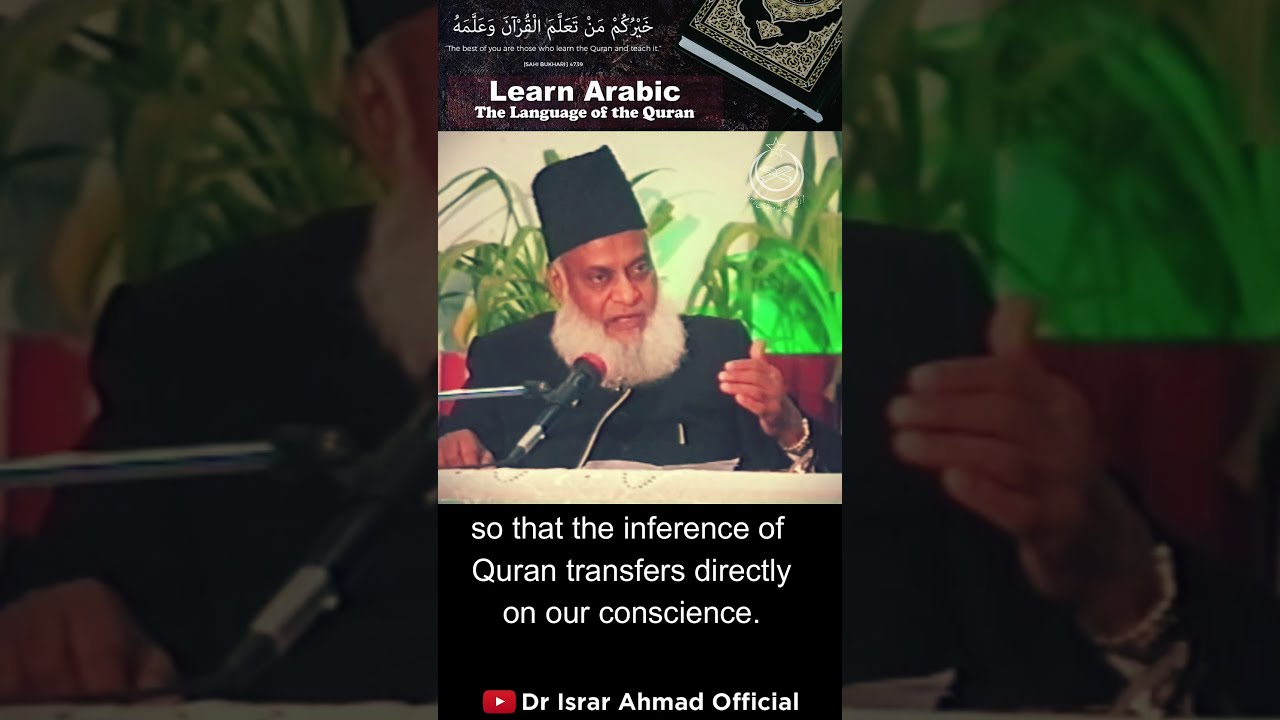
The Urdu language shares a profound connection with Arabic, extending beyond mere vocabulary. The script itself originates from Arabic, and numerous grammatical structures and lexical items are directly borrowed. This linguistic kinship makes learning Arabic particularly advantageous for Urdu speakers, facilitating a deeper understanding of religious texts like the Quran. Despite this inherent connection, sufficient effort hasn’t been directed towards mastering Arabic to directly grasp the Quran’s meaning. The speaker emphasizes the pervasive presence of Arabic-derived words in everyday Urdu speech, highlighting a missed opportunity for intellectual and spiritual enrichment.

58

Hazrat Ubada ibn Samit relate that they pledged allegiance to the Prophet Muhammad, peace be upon him, agreeing to listen and obey in times of ease and hardship, willingly and even under duress. They committed to prioritizing others over themselves, accepting the leadership of appointed authorities without dissent, and speaking the truth openly, regardless of criticism or consequences. This pledge encompassed a complete submission to divine guidance and a dedication to upholding justice and righteousness.
53
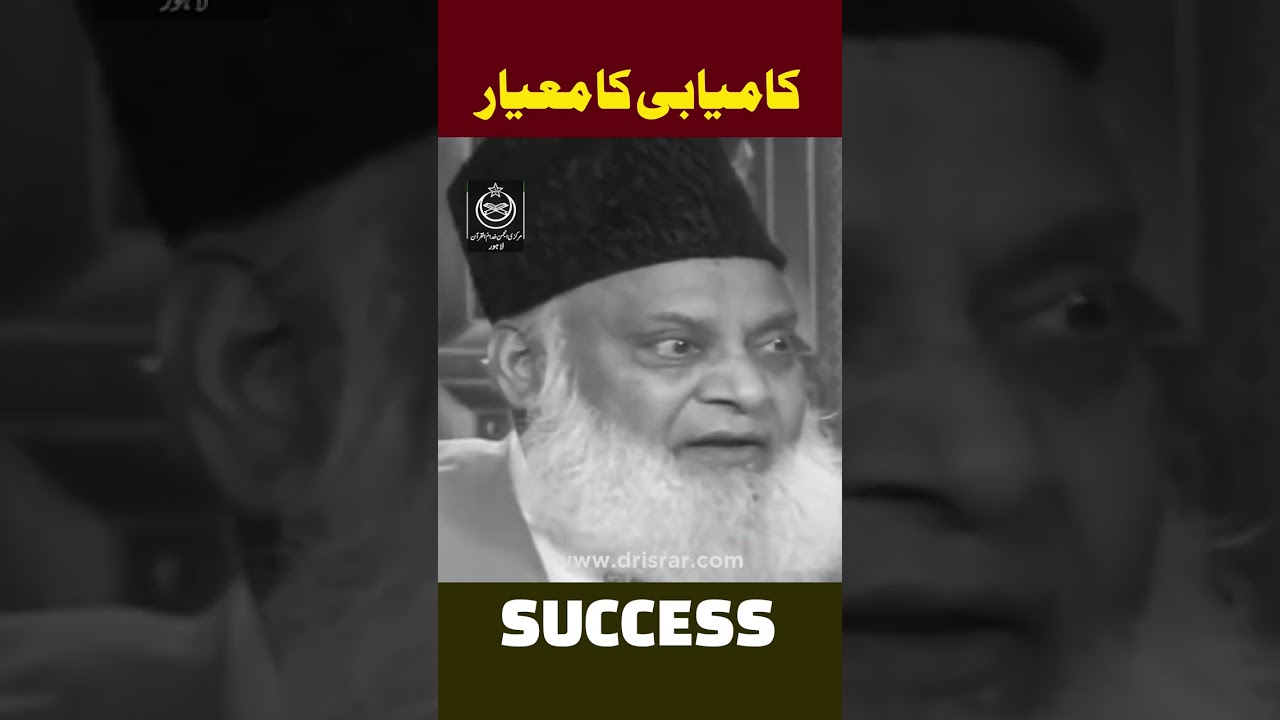
Success and failure are defined not by worldly status or wealth, but by faith, righteous deeds, perseverance, and truthfulness. A person lacking worldly possessions may hold a high position in the eyes of God, and their oaths will be honored. True success lies in maintaining faith and performing good deeds even in times of hardship and poverty. Being poor or unknown is not a detriment if one remains steadfast in belief and practice.
60

This lecture discusses an incident from the life of the Prophet Muhammad (peace be upon him) involving a traveler who entered a mosque without securing his mount. The Prophet questioned him about it, and the man explained he was relying on God. The Prophet corrected him, stating that true reliance on God does not mean neglecting practical precautions. He emphasized that reliance on God, or *tawakkul*, is not abandoning effort or means, but acknowledging that all outcomes ultimately depend on God’s will and permission. True *tawakkul* involves making an effort and then trusting in God's plan. The lecture underscores the importance of balancing effort with faith and understanding that means are essential, but God's decree is ultimate.
79
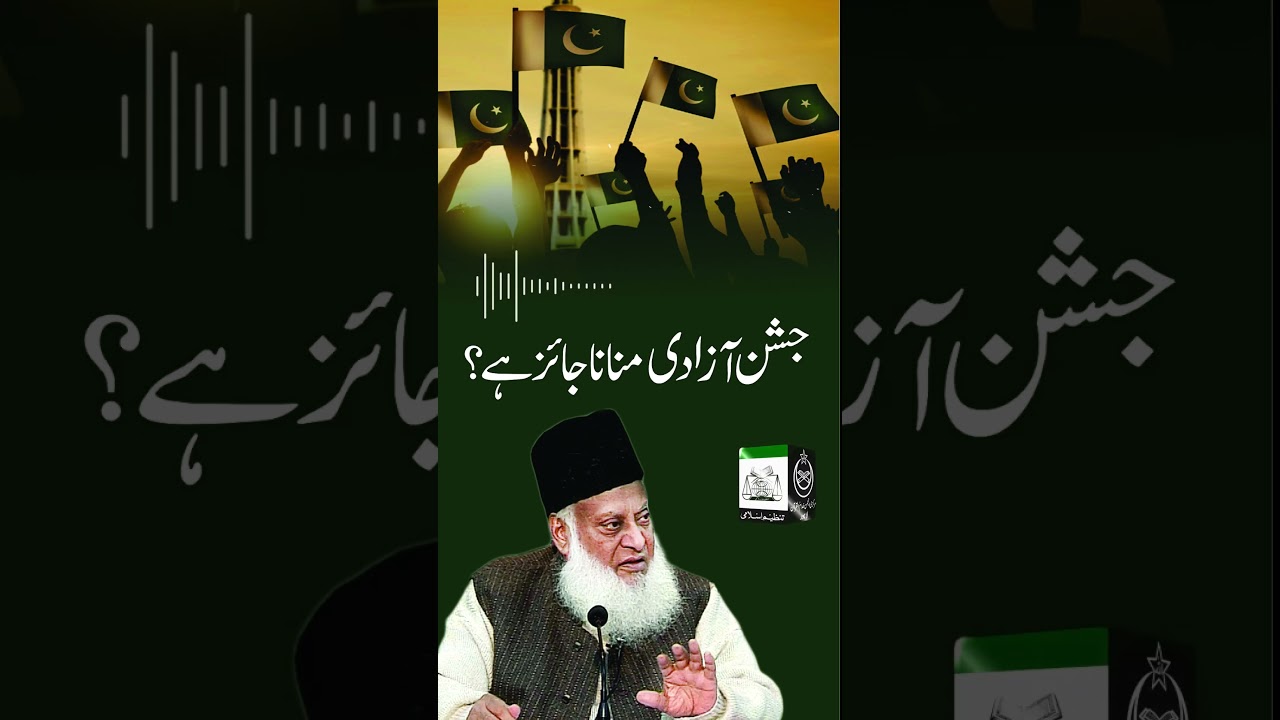
The speaker asserts that Pakistan remains systemically and politically subservient to non-Islamic forces, questioning the validity of celebrating independence in such circumstances. He contrasts true Islamic observances – Eid al-Fitr and Eid al-Adha – with celebrations he deems extraneous. He emphasizes that freedom is a significant blessing, yet one that has been largely unappreciated. The speaker urges repentance, seeking forgiveness, and dedicating one’s life to establishing Islam within Pakistan as a genuine expression of gratitude to God for the gift of independence.
69

During the Tabuk expedition, an Ansari companion, a poor laborer, worked tirelessly irrigating a Jewish man’s garden. He offered half of his earned dates as charity, presenting the other half to the Prophet Muhammad. Despite the vast supplies amassed for the campaign, hypocrites suggested the expedition would be incomplete without his contribution. The Prophet declared these few dates to be heavier in the sight of God than the entire amassed wealth, highlighting the sincerity of the companion's offering and the value of selfless devotion.
51
