Shorts
This lecture emphasizes the importance of protecting the property of orphans and ensuring their well-being. It highlights the prohibition of exploiting orphans' wealth, mismanaging their assets, or exchanging good assets for inferior ones. The discussion stresses the need for responsible guardianship and safeguarding orphans' rights until they reach maturity and can manage their affairs independently. It underscores the ethical and religious obligations towards vulnerable members of society, particularly orphans.

54
Performing Hajj and other religious obligations requires wealth earned through lawful means. Acquiring purely halal income is challenging in modern times due to pervasive indirect involvement with interest. Ambient interest exists in the air we breathe and the food we consume, which is considered a general impurity and doesn’t necessarily invalidate a transaction. Direct involvement, such as taking loans with interest to build homes or businesses, or depositing money to earn interest, is unequivocally forbidden. However, unintentional mistakes are forgivable, as God is Merciful and Pardoning. Focusing on acquiring halal income and avoiding strictly prohibited actions is paramount.
60
This lecture clarifies the distinction between *Nabuwat* (prophethood) and *Risalat* (messengership). It explains that all *Rusul* (messengers) are *Nabi* (prophets), but not all *Anbiya* (prophets) are *Rusul* (messengers). The analogy of a CSP officer’s career progression—qualifying through an exam, undergoing training, and then receiving specific assignments—illustrates the concept. Prophethood represents the foundational qualification, while messengership signifies a specific appointment to deliver a divine message. This appointment transforms the individual into a *Rasul*, tasked with conveying a warning or message to their people. The lecture emphasizes that this appointment defines the messenger’s role.
111
This lecture analyzes the concept of democracy, arguing that current systems, particularly in America, are not true representations of popular will but rather disguised forms of dictatorship controlled by capital. The speaker contends that true democracy can only exist when economic justice is established, allowing citizens to make informed decisions free from the influence of wealth. The current electoral process is likened to a mere formality, a ‘slip’ of paper in the hands of the common man, manipulated by powerful financial interests. The lecture emphasizes that genuine democracy requires equitable economic opportunities for all citizens, empowering them to exercise their political agency meaningfully.
64
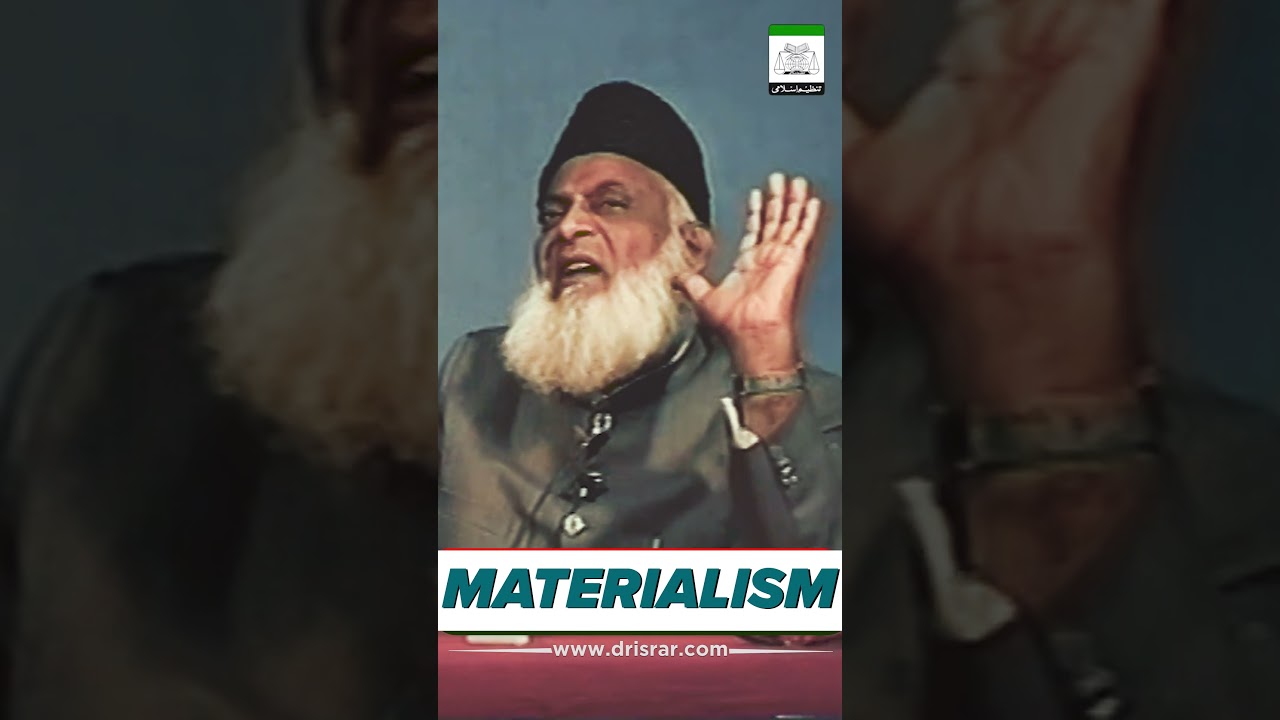
The text emphasizes that true life resides in the afterlife, not the material world. It critiques a materialistic focus, stating that people are lost in the pursuit of worldly possessions, mistakenly believing they are achieving something substantial. This pursuit leads to being lost in matter and consumed by materialism, exhausting all efforts within a limited scope. The core message is a rejection of prioritizing worldly gain over spiritual fulfillment and preparation for the afterlife.
44
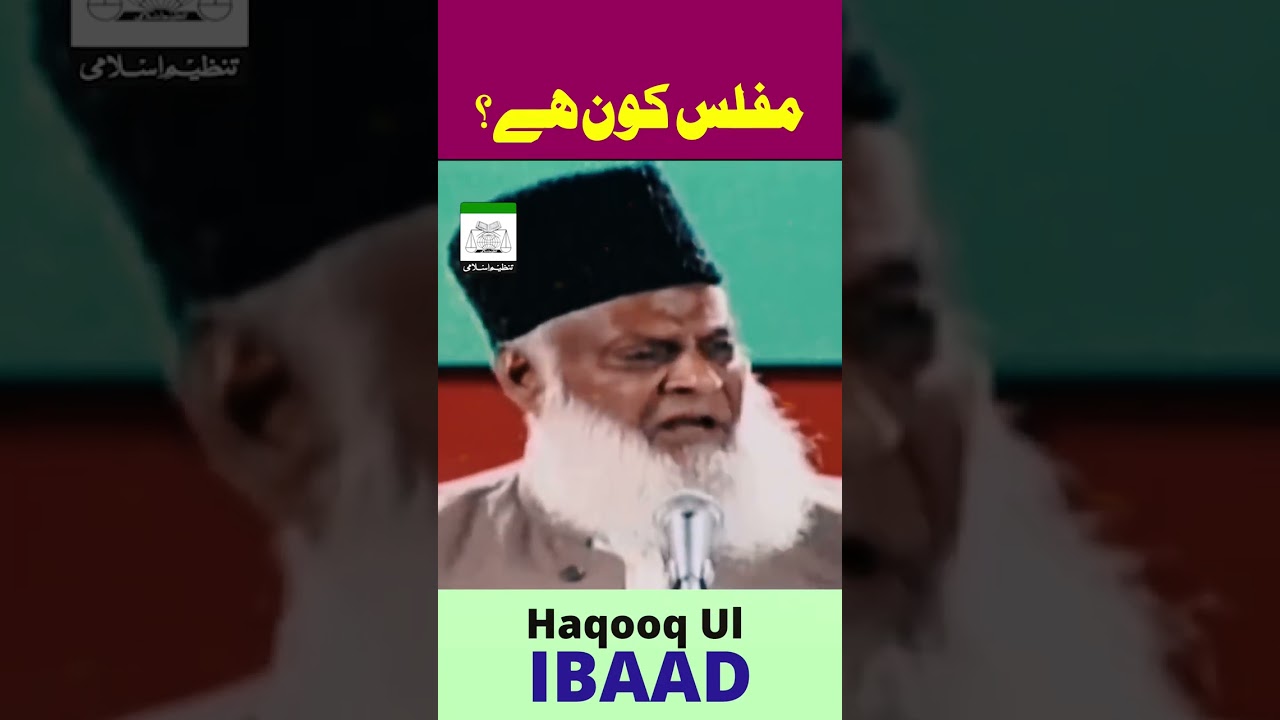
Dr. Israr Ahmad explains the true meaning of poverty (miskin) in Islam. It isn’t merely a lack of wealth, but rather the failure to fulfill obligations to others. A person may perform many acts of worship – prayers, fasting, pilgrimage – yet be considered bankrupt on the Day of Judgment if they have wronged people by depriving them of their rightful inheritance, slandering them, or otherwise violating their rights. Their good deeds will be distributed to those they harmed, leaving them with nothing but the weight of their sins and ultimately destined for Hell. This lecture clarifies that true poverty lies in spiritual bankruptcy, not material lack.
72
