شلوار کوتاه

This lecture addresses the principles of justice and impartiality when resolving disputes, particularly between Muslims and non-Muslims. It emphasizes that judgments must be based on equity and truth, regardless of religious affiliation. The speaker cautions against allowing personal biases or animosity towards any group to influence judicial decisions. True justice, it is argued, is achieved through adherence to divine guidance and righteousness, ensuring fairness for all involved. The lecture stresses the importance of maintaining impartiality even when one party belongs to one’s own faith or community, and warns against letting enmity sway judgements.

76

This lecture details three elements that lead to salvation and three that lead to destruction. Salvation is achieved through fear of God in both private and public, speaking the truth regardless of anger or pleasure, and fulfilling one’s obligations. Destruction stems from following one's desires, excessive love of wealth, and self-admiration. The most destructive of these is a bloated ego and considering oneself superior.
48

This lecture discusses the significance of Friday sermons (Jum'ah) as a weekly reminder of life's true purpose: seeking the pleasure of God. It emphasizes that worldly possessions are merely necessities, not ultimate goals. The speaker highlights the importance of regularly renewing one's commitment to faith, clearing away distractions, and continuously seeking knowledge and spiritual training. The weekly gathering serves as a forum for reaffirming core beliefs and strengthening the foundations of faith, much like a revolutionary movement dedicated to God.
74

The Prophet Muhammad (peace be upon him) was asked about the most excellent form of *jihad*. He responded that the greatest *jihad* is the struggle against one’s own base desires (*nafs*) in obedience to God. This involves suppressing harmful inclinations, humbling oneself before God, and striving for spiritual purification. This internal struggle is superior to fighting in the path of God.
250
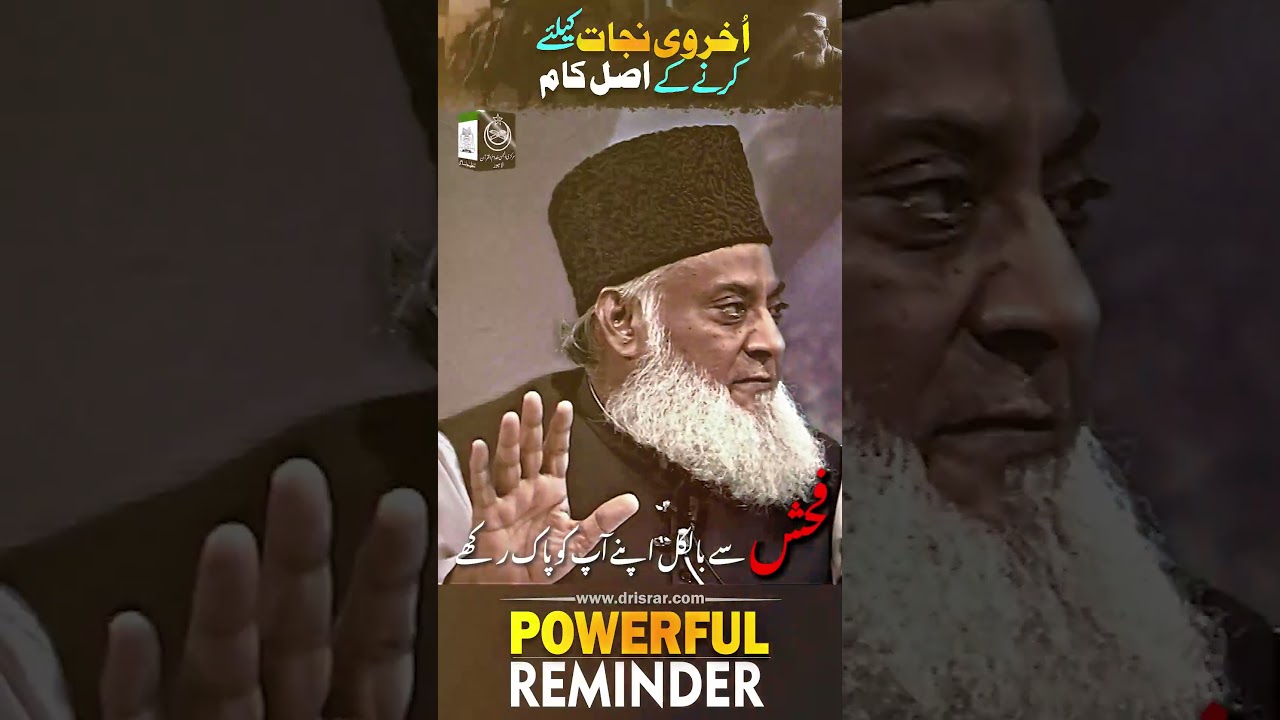
This lecture emphasizes prioritizing the afterlife while fulfilling worldly needs. It stresses reliance solely on Allah, avoidance of major sins, controlling anger, establishing a heart connection with Allah through prayer, seeking counsel, and dedicating wealth to the cause of Allah. The speaker advocates a balanced life focused on spiritual preparation and righteous action.
65

This lecture discusses the grave sin of submitting to any authority other than God. It equates failing to establish a caliphate—a system promised by God—with disbelief, ingratitude, and rebellion. The speaker argues that Muslims must actively strive to fulfill this divine promise, or risk spiritual ruin. The lecture draws a parallel between this failure and the disobedience of Iblis, highlighting the seriousness of rejecting God's ordained system of governance. It serves as a warning against complacency and a call to action for the Muslim community.
61
