Corti
The Prophet Muhammad (peace be upon him) was asked about the most excellent form of *jihad*. He responded that the greatest *jihad* is the struggle against one’s own base desires (*nafs*) in obedience to God. This involves suppressing harmful inclinations, humbling oneself before God, and striving for spiritual purification. This internal struggle is superior to fighting in the path of God.

251
The verse from Surah Ma'idah highlights Satan’s primary tactic: sowing discord and animosity between people. This disruption extends to fracturing familial and marital bonds, leading to the disintegration of entire social structures. A hadith recounts Satan praising a demon for successfully creating strife between a husband and wife, recognizing its devastating impact on the family unit and, consequently, society. The creation of enmity and discord is presented as Satan's most effective weapon against humanity and its social cohesion.
75

Musab bin Umar, a young man raised in luxury, faced ostracism when he refused to renounce his faith after his father’s death. His mother, unable to defy her brother, the head of the family, was forced to comply with the uncle’s decree that Musab forfeit his inheritance and leave the house. The uncle, angered by Musab's adherence to his father’s religion, demanded he relinquish all property acquired through his father's wealth. Musab accepted the exile, even removing the clothes he wore, which were purchased with that wealth, before leaving his home. This demonstrates a powerful commitment to belief and principle.
63
The text details the historical origins of sectarian division between Shia and Sunni Muslims, attributing it to Abdullah Ibn Saba, a figure who emerged during the early Islamic period. Ibn Saba is accused of falsely claiming divine status for Hazrat Ali, sparking discord and ultimately laying the foundation for the Shia-Sunni split. He presented himself to Hazrat Ali and his followers, proclaiming him God, and even offered to be burned alive as a test of faith, a claim Hazrat Ali rejected and threatened with punishment. The text asserts this event is the root cause of the ongoing division.
89
The speaker asserts Pakistan’s constitution is riddled with hypocrisy and requires amendment to fully align with Islamic principles. He proposes a constitutional amendment – specifically the Nineteenth Amendment – to prioritize Islamic tenets over all other constitutional provisions. He criticizes the existing legal framework for superficially acknowledging Islam while failing to implement its requirements. The speaker laments the lack of political will to enact these changes, despite having prepared a draft amendment and shared it with relevant parties. He expresses deep concern about the future of Pakistan if these issues remain unaddressed, predicting potential societal collapse.
92
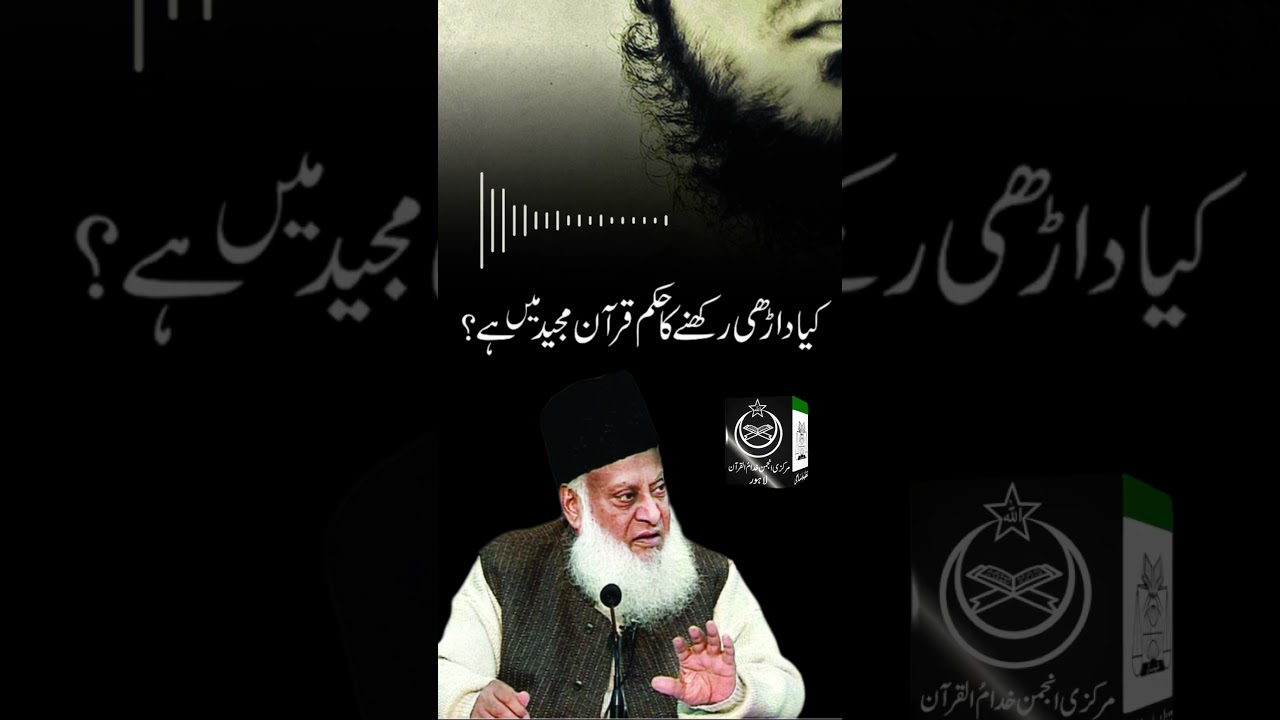
The Quran does not contain a direct command regarding beards. However, the Quran mentions the beard of Pharaoh, which Moses grasped. The practice of maintaining a beard is considered a tradition (Sunnah) of all prophets, and strongly emphasized by the Prophet Muhammad. While not a mandatory obligation (fard) in the Quran, it is a confirmed Sunnah (Sunnat-e-Muakkadah) and, according to some scholars, approaches the level of a religious obligation (wajib). Following this confirmed Sunnah is recommended, though not considered a mandatory religious duty.
70
