Shorts
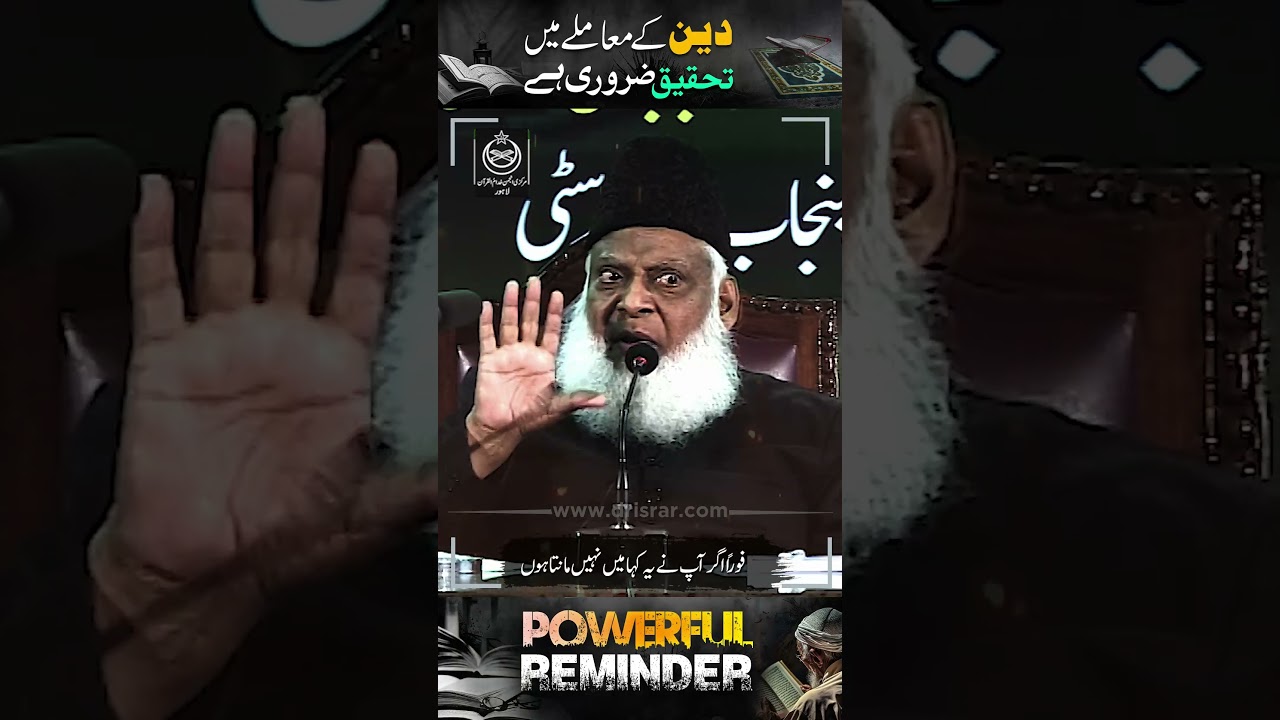
This lecture emphasizes the importance of verifying hadith before accepting them as truth. It advises against outright rejection but encourages pausing for research to confirm authenticity. The speaker highlights the immense effort undertaken by scholars in hadith compilation and stresses that dismissing hadith based on personal opinion is against established beliefs. The lecture advocates for careful consideration, investigation, and confirmation that a hadith is sound and conforms to established principles before acceptance. It cautions against hasty judgments and encourages a scholarly approach to understanding religious narrations.

65

A nation possessing divine scripture and law, claiming to follow the messenger of God, becomes God’s representative on Earth. However, if its actions contradict this claim, it becomes worse than non-believers and invites divine punishment. The lecture emphasizes that merely professing faith is insufficient; practical adherence to divine principles is crucial for fulfilling the role of a representative nation and avoiding God’s wrath. This highlights the profound responsibility borne by a nation claiming religious affiliation.
232

This excerpt emphasizes the dangers of arrogance and pride. It highlights that boastful behavior and walking with conceit are displeasing to God. The passage explains that outward displays of power and attempts to assert dominance are ultimately futile and cannot elevate one to true greatness. True worth lies not in outward show, but in humility and recognizing one's limitations. This message reinforces similar teachings found in Surah Bani Israil, and underscores that material power and self-importance are insufficient to achieve spiritual elevation.
104

The Quran’s resounding verses jolted people from their slumber and roused those lost in worldly pleasures. The verses of Surah Al-Asr emphasize humanity’s inherent loss and the impending accountability. The approaching Day of Judgement finds people heedless and turning away. These powerful pronouncements caused widespread upheaval and a sense of urgency throughout Arabia, compelling a reckoning with spiritual realities.
40

The lecture clarifies that love for anyone or anything should not equal or exceed love for God. Equating love with God constitutes *shirk* (associating partners with God). The Quran states some people create equals to God and love them as they should love God. True believers, however, possess a stronger love for God. Love for parents and children is permissible, but it must not surpass the love for God. This principle ensures devotion remains solely to God, preventing the elevation of created beings to a level comparable to the Creator.
59
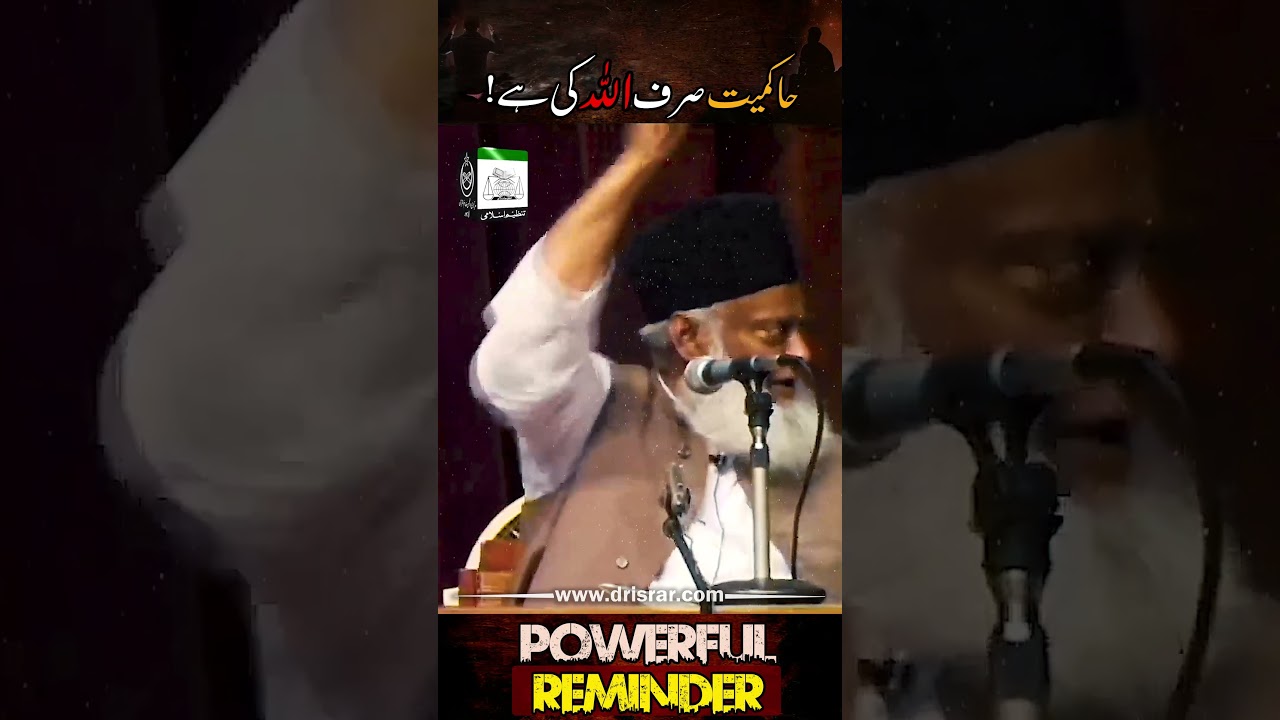
This lecture asserts that true sovereignty rests solely with God, rejecting the concept of human or national governance. It emphasizes that ownership, in its entirety, belongs to God, with all possessions – including one’s own body and progeny – being held in trust. The discussion refutes any form of human rule, whether individual kingship, national dominion, or popular sovereignty, deeming them forms of associating partners with God. The speaker stresses that God, or His appointed representatives, are the sole law-givers, and true authority emanates only from the Divine.
65
