Pantalones cortos

This lecture emphasizes the importance of respectful communication among believers. It advises maintaining polite language even when responding to rudeness, avoiding mirroring negative behaviors, and prioritizing peaceful interactions. The speaker highlights Satan's intent to sow discord and animosity, urging listeners to counter this by fostering kindness and understanding. Maintaining a gentle demeanor, even in the face of provocation, is presented as a crucial aspect of Islamic ethics and a safeguard against conflict. This promotes building harmonious relationships and strengthening the Muslim community.

41
The Quran is not a book for academic study in isolation. Its true meaning reveals itself only through practical application of its teachings—both individually and collectively. The verses descended during a period of active struggle, and understanding them requires embracing that same dynamic spirit. The Quran possessed by those actively striving for good differs from the Quran understood by those who have become stagnant. The Quran’s content is not merely words on a page, but a living force that inspires action and prevents complacency. It’s a manual for revolution, demanding both personal righteousness and societal transformation. The Quran in the hands of a dynamic individual is different than one held by someone inert; it compels movement and evokes emotion.
124
This lecture details the severity of sin in Islam, focusing on the disparity between the prohibition of pork and alcohol versus the prohibition of interest (riba). Dr. Israr Ahmad argues that the consequences of dealing with interest are far more devastating than those associated with consuming pork or alcohol. He asserts that the Quranic verses reveal a declaration of war against those who persist in dealing with interest, a level of severity not applied to the other two prohibitions. The lecture emphasizes that the gravity of the sin of riba is seventy times greater than that of pork or alcohol consumption.
52
This lecture emphasizes that the Quran is a manifestation of Allah’s grace and mercy, offering guidance in this world and reward in the hereafter. It surpasses all worldly possessions – wealth, property, business ventures, and luxurious homes – in value. The Quran provides true joy and is a source of ultimate contentment, offering a path to spiritual fulfillment far beyond material gain. It is a complete guide for life, providing both worldly direction and eternal reward.
42
The lecture clarifies the distinction between a Nabi (prophet) and a Rasul (messenger), emphasizing that all Rasul are Nabi, but not all Nabi are Rasul. It focuses on the exemplary character of prophets, using the examples of Yusuf, Yaqub, and Ayyub to illustrate virtues like patience and righteousness. The talk highlights that prophetic figures embody moral excellence and serve as models for ethical conduct. The core message is that studying the lives of prophets reveals lessons in good character and spiritual strength.
51
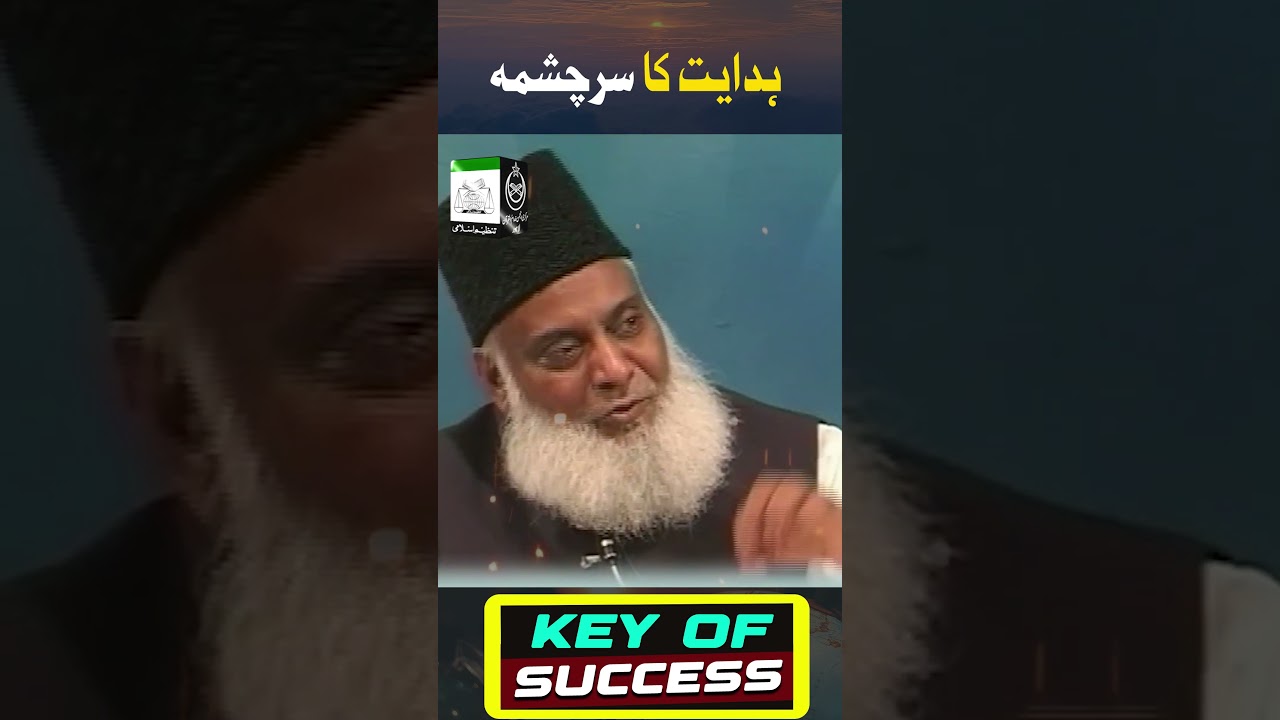
The Quran’s true absorption into one's being necessitates a softened heart. Just as water readily permeates a smooth vessel, the Quran is best received by a receptive soul. The Quran serves as both a remedy and a guide, embodying divine mercy and representing Allah’s greatest blessing to humanity. A softened heart is essential for benefiting from the Quran’s teachings and experiencing its transformative power. It highlights the Quran's role as a source of healing, direction, and divine grace.
49
