Shorts
The speaker discusses a decline in ethical standards within society, moving beyond mere indecency to a fundamental erosion of basic human morals. This manifests as a lack of integrity – saying things one doesn’t mean and failing to uphold promises. Historically, even non-believers maintained a directness lacking in current society; they were either openly hostile or adhered to their word. The speaker draws a parallel to the historical figures of Medina and Mecca, noting the presence of hypocrisy and deceitful behavior in Medina, while Mecca generally upheld a more straightforward code of conduct. The speaker asserts a general decline in societal capacity for integrity and principled action.

57
This lecture details the process for women’s inclusion within Islamic organizations. Women participate in *bay'ah* (allegiance), but a separate form is used for women, based on verses from Surah Al-Mumtahanah in the Quran. A woman's primary obligation is to her husband. The lecture clarifies what happens if a woman, after joining the organization, receives a summons she cannot fulfill due to obligations to her husband or children; such excused absences will be accepted. No penalty will be applied for unavoidable constraints, and prayers will be made for ease.
51
Dr. Israr Ahmad discusses the permissibility and desirability of gazing, clarifying that while not forbidden, it is personally discouraged. He explains that his disapproval doesn't obstruct legitimate interactions. He cites a divine decree stating that once Allah’s judgment concerning someone is established through observation, it remains unchanged, though He may draw sustenance from the miser's wealth to aid the needy. This decree effectively supersedes any further deliberation on the matter.
66
This lecture explores the multifaceted greatness of Prophet Muhammad (peace be upon him). It distinguishes between his status as a prophet and his humanity, noting that understanding the full extent of his greatness is beyond human comprehension. The lecture emphasizes that only a prophet can truly appreciate the stature of another prophet, highlighting the unique qualities inherent in Prophethood. It explains that assessing the Prophet's significance requires a perspective beyond that of a mere physician or scholar, acknowledging his exceptional position in both spiritual and worldly affairs.
53
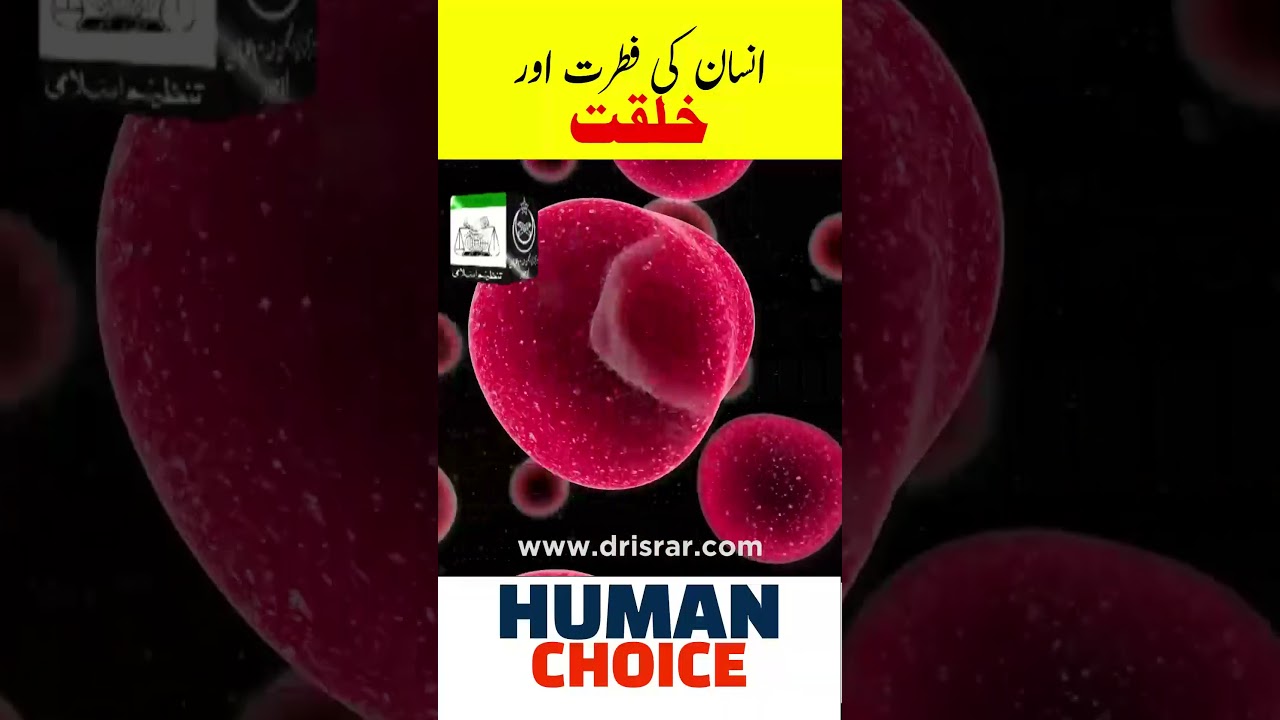
Human life begins with a unique creation, possessing inherent vitality from conception. Even before fertilization, both sperm and ovum exhibit life. All characteristics of life are present in the developing embryo. The embryo is a living organism, not an inanimate object. A crucial stage arrives approximately 120 days after conception. Prior to this, the creation is linked to four specific elements detailed in religious texts. The spirit, or soul, is infused into the embryo after this 120-day period, encompassing and permeating its very being.
58
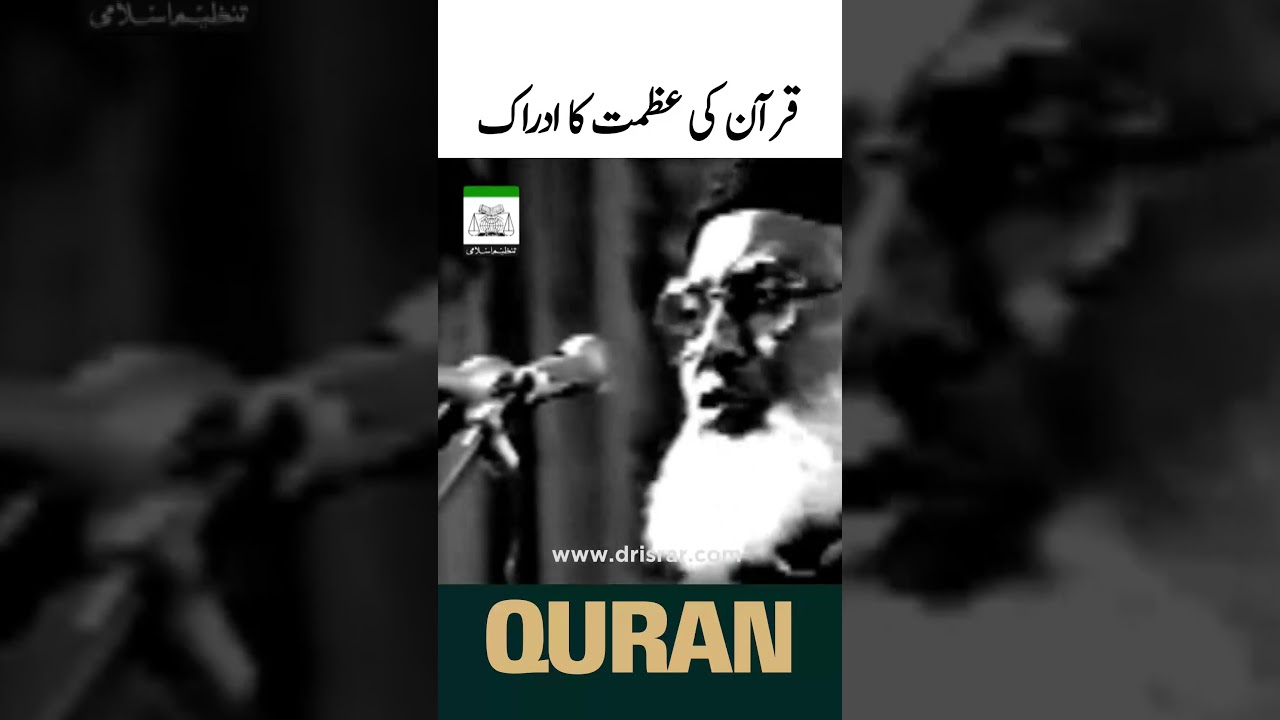
The true appreciation of the Quran’s majesty rests solely with Allah and the Prophet Muhammad (peace be upon him). Worldly assessments, even by kings and gem appraisers, only perceive a superficial aspect or historical facts. Genuine understanding of the Quran’s greatness is attainable only through divine revelation or the Prophet’s teachings.
65
