Shorts

True servants of God walk with humility on Earth. This entails a gentle gait, lowered gaze, and a modest demeanor. They avoid arrogance, forceful strides, and any display of pride. Their movement is characterized by grace, composure, and a mindful awareness of their position before God. This manner of walking reflects inner piety and a recognition of God’s blessings.

68

This lecture addresses the core responsibility of Muslims: to convey the message of the Quran to all of humanity, not just the Muslim community. It emphasizes that failure to act upon and implement the Quranic principles has led to the current state of weakness, humiliation, and subjugation experienced by the Muslim world. The speaker highlights a pattern of powerful nations exploiting Muslim lands without regard for international law, driven by self-interest and targeting Muslim countries specifically. The current plight of the Muslim community is presented as a direct consequence of neglecting this fundamental duty.
47

The impulse for goodness, while seemingly pure, can ironically lead to negative outcomes if taken to extremes. This lecture explores how intense dedication to piety – exemplified by asceticism and world-renunciation – can, paradoxically, foster immoral behavior. Historical examples, specifically within Christian monasticism, reveal instances where monasteries, intended for spiritual devotion, became sites of illegitimate births and concealed transgressions. The speaker argues that unchecked enthusiasm for good intentions, devoid of balance and practical wisdom, can give rise to undesirable consequences.
58

This lecture discusses the human tendency to form opinions and suspicions about others. It emphasizes that forming negative judgments without concrete evidence is harmful and unjust. While doubt itself is not inherently bad, it should prompt caution and careful consideration rather than immediate negative action. The speaker stresses the importance of avoiding pre-judgment and treating others with fairness, even when suspicions arise. Caution and thoughtful evaluation are preferable to hasty, unjust decisions.
57
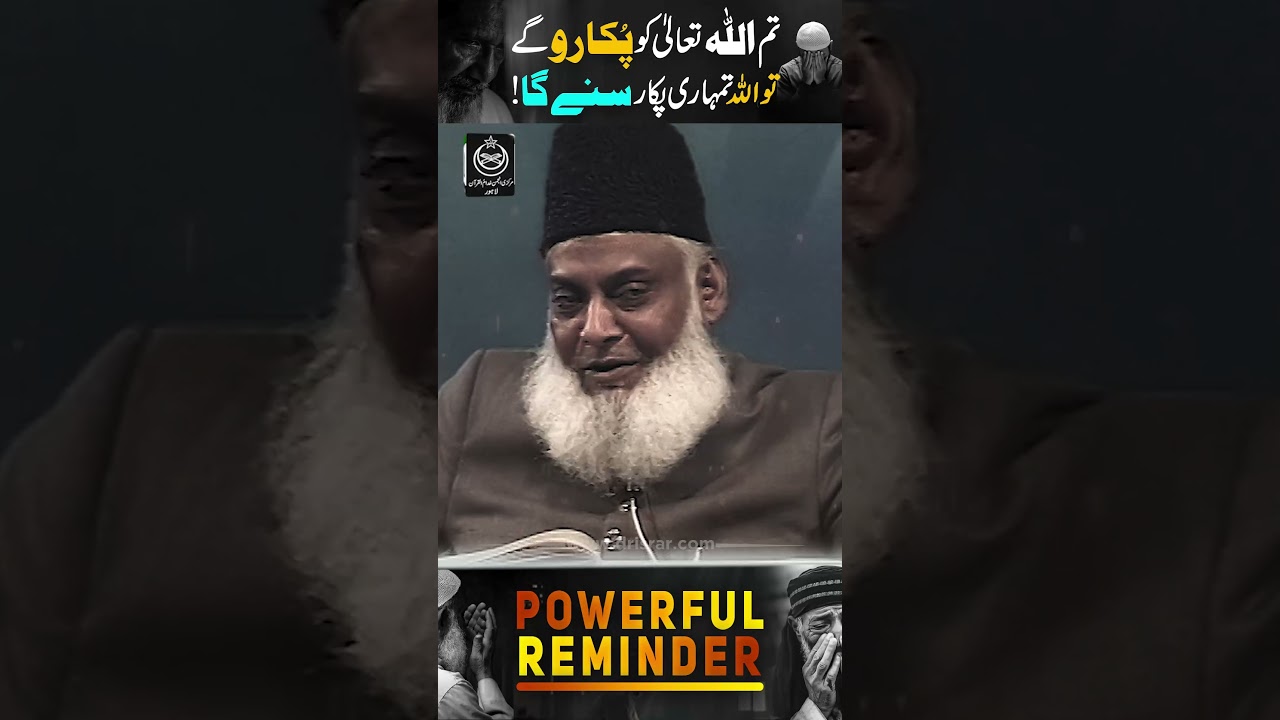
This lecture explores the barriers between humanity and its Creator, emphasizing a reciprocal relationship based on remembrance and gratitude. It asserts that God hears all calls, but responds through acceptance of supplication, contingent upon obedience. The lecture highlights a two-way covenant: remembrance begets remembrance, gratitude invites appreciation, and approaching God leads to divine response. Ultimately, repentance and turning towards God are met with His mercy and acceptance.
71
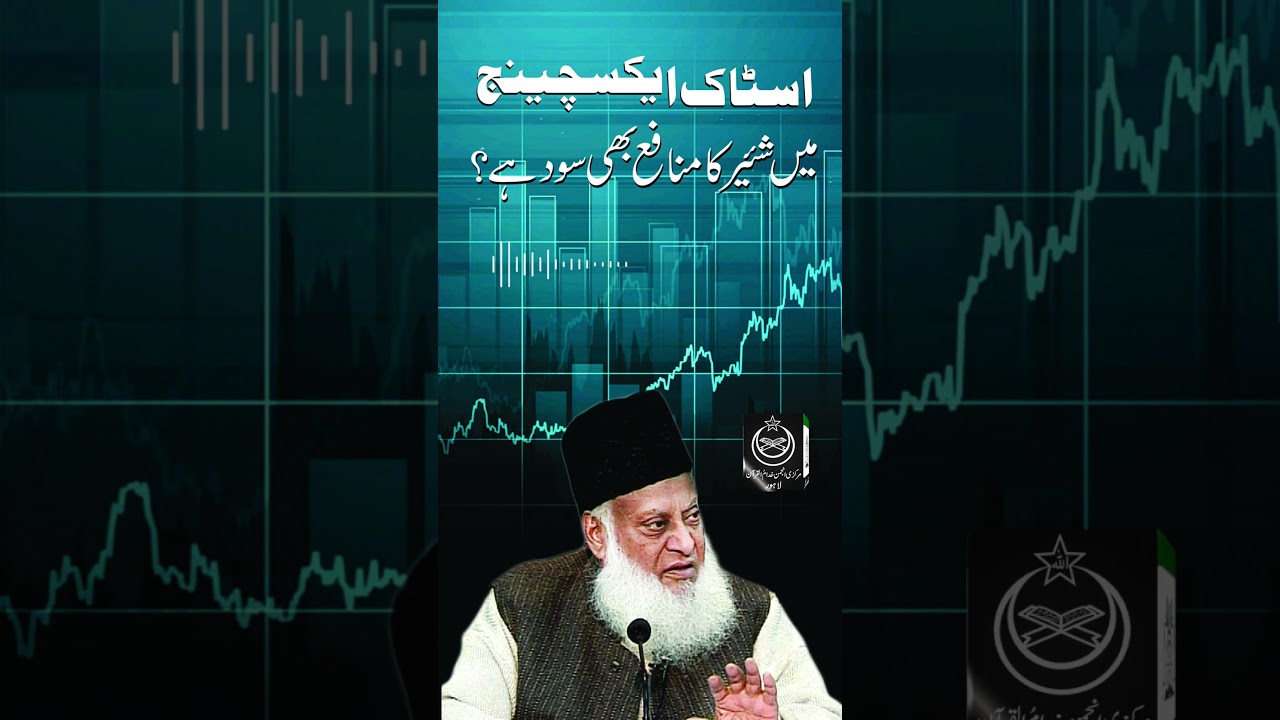
This lecture discusses the permissibility of stock market transactions in Islam. It clarifies that legitimate trade involves the actual exchange of goods, while stock trading, often based on speculation, resembles gambling. Direct purchase and sale with actual monetary exchange and receipt of shares is considered different. The speaker highlights the concerns surrounding speculative trading and its potential conflict with Islamic principles.
90
