Shorts
This lecture emphasizes that assisting others in their needs is a direct path to receiving divine help. True service isn't about expecting reward from people, but establishing a sincere connection with God. When a person dedicates themselves to God’s purpose, divine assistance is guaranteed. This assistance manifests through fulfilling essential needs – faith, certainty, and trust in God. A genuine connection with God is fostered by inner reflection and the unwavering belief that God will never abandon those who turn to Him sincerely.

46
The lecture clarifies the distinction between a Nabi (prophet) and a Rasul (messenger), emphasizing that all Rasul are Nabi, but not all Nabi are Rasul. It focuses on the exemplary character of prophets, using the examples of Yusuf, Yaqub, and Ayyub to illustrate virtues like patience and righteousness. The talk highlights that prophetic figures embody moral excellence and serve as models for ethical conduct. The core message is that studying the lives of prophets reveals lessons in good character and spiritual strength.
51
Hazrat Abu Bakr, may Allah be pleased with him, frequently expressed a profound anxiety about the Day of Judgement. He wished he could be a bird, free from accountability, or a blade of grass, consumed and finished. This sentiment echoes a verse in Surah Al-Imran where disbelievers express a wish to be dust rather than face judgement. The lecture highlights the tragic reality of human existence when disconnected from faith, emphasizing the immense responsibility and potential loss inherent in being human.
60
This lecture discusses the importance of *khushu* (humility and devotion in prayer) and *tazkiya-e-nafs* (self-purification). It emphasizes that true worship goes beyond merely performing rituals; it requires a sincere connection with the Divine and a constant striving for self-improvement. The speaker highlights that valuable time should not be wasted on frivolous activities but dedicated to personal growth and purification. The concept of *zakat* is explained not as financial charity in its later legal form, but as a continuous process of self-assessment and removing inner flaws. The focus is on consistently striving for moral and spiritual cleansing.
71
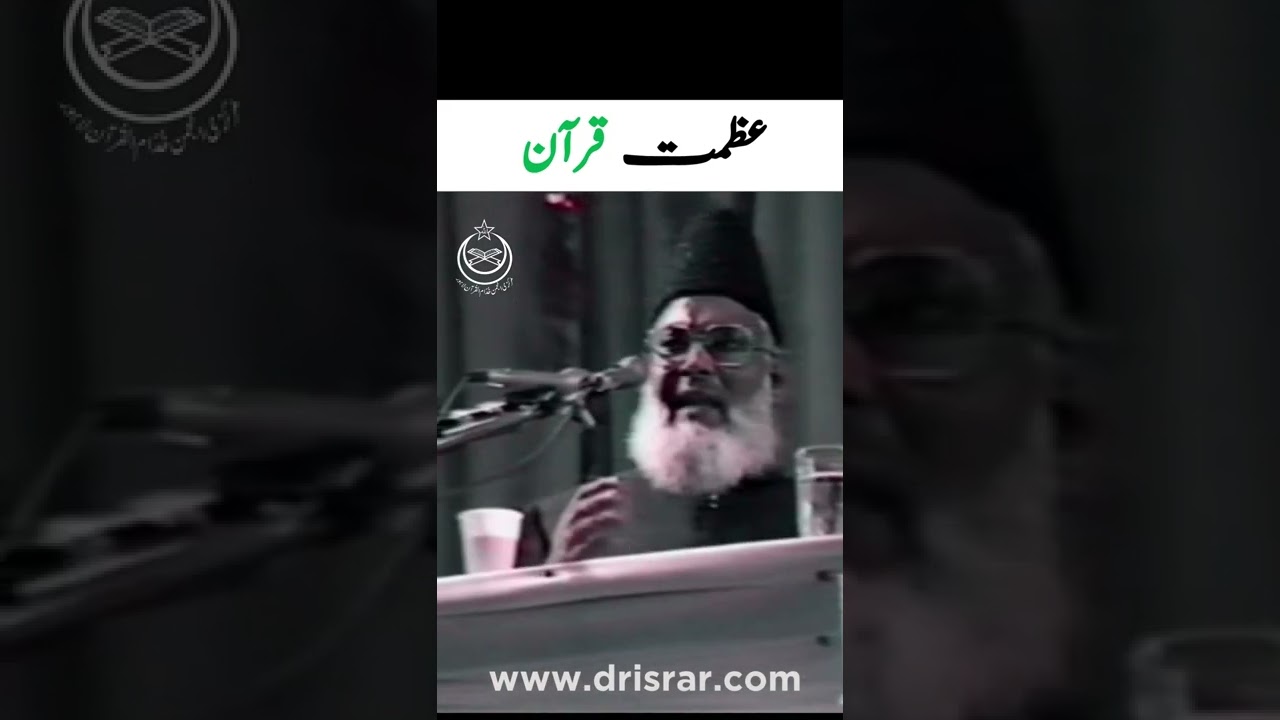
The Quran fundamentally transforms an individual's worldview. Before encountering the Quran, a person might perceive the universe as a random, self-operating system driven by mindless matter. Afterwards, they recognize the existence of a single God – Allah – who is all-powerful, all-knowing, the Sustainer, and the Creator and Director of the universe. This realization shifts perspective from accidental creation to purposeful design and divine governance.
46
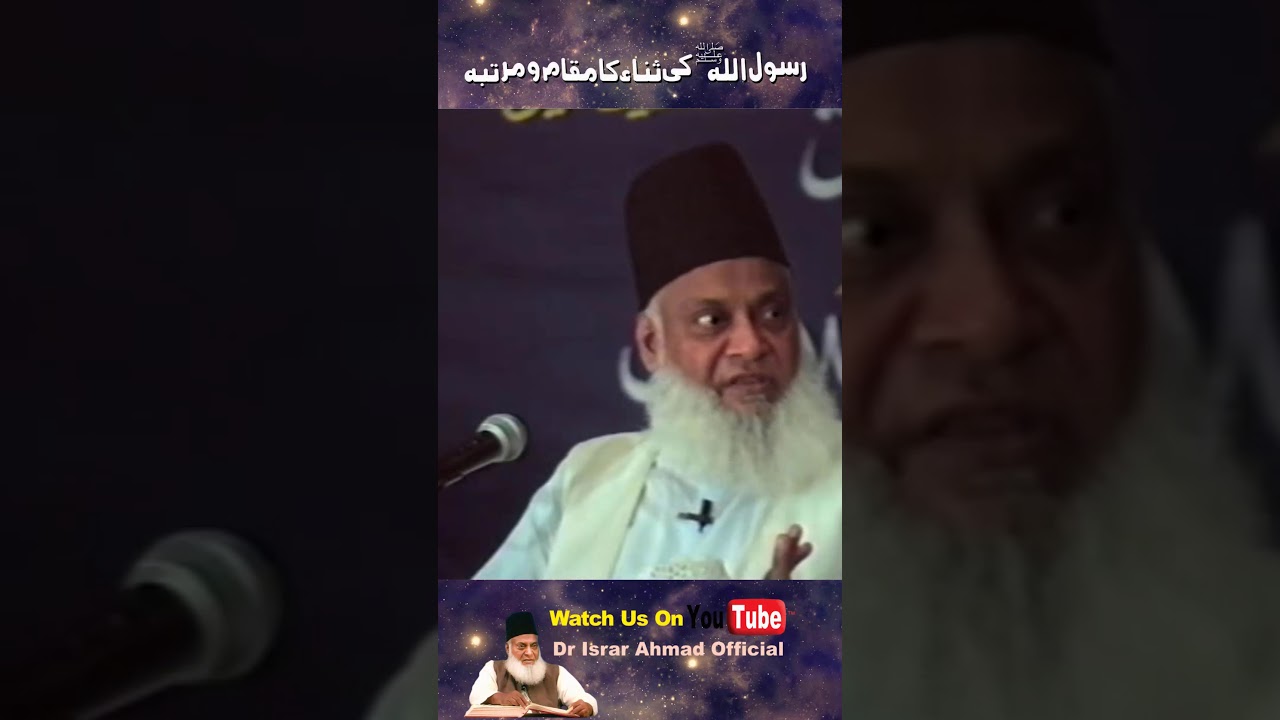
This lecture explores the unparalleled glory and status of the Prophet Muhammad (peace be upon him). It emphasizes that after Allah, the Prophet is the most significant figure in existence. The speaker highlights the Prophet’s luminous face as the source of all light and acknowledges the human mind’s inability to fully comprehend the Prophet’s greatness. The lecture ultimately asserts that seeking refuge in the Prophet’s presence is the path to salvation, recognizing his unmatched spiritual stature.
70
