শর্টস

Imam Razi discusses a nuanced point regarding divine mercy and human accountability. He explains that concealing certain knowledge is an act of Allah’s compassion, as increased awareness brings greater responsibility. A story illustrates this: The Prophet Muhammad instructed Hazrat Ali to awaken a sleeping man for prayer. The Prophet clarified that if he had awakened the man himself and the man refused, it would be considered disbelief. However, if Hazrat Ali gently roused him, it wouldn’t carry the same consequence. This highlights a crucial distinction: direct intervention carries a different weight than indirect guidance. The level of accountability depends on the method of conveyance.

57
The Quran’s true greatness lies in its being the expression of the Divine Speaker, revealing the entirety of God's attributes. Just as one can discern a person's intellect, understanding, and character from their speech, the Quran manifests all of God’s qualities. The text’s eloquence embodies complete divine attributes, making it a reflection of the Divine Being.
60

Maintaining sincerity in good deeds requires constant self-monitoring and deliberate practice. The speaker emphasizes performing acts of charity and worship discreetly, concealing them even from close family, to cultivate genuine sincerity. This consistent practice strengthens the habit of performing good deeds solely for the pleasure of God, rather than seeking recognition or reward. By consistently prioritizing intention and concealing good deeds, one can solidify a habit of sincerity and avoid hypocrisy.
37
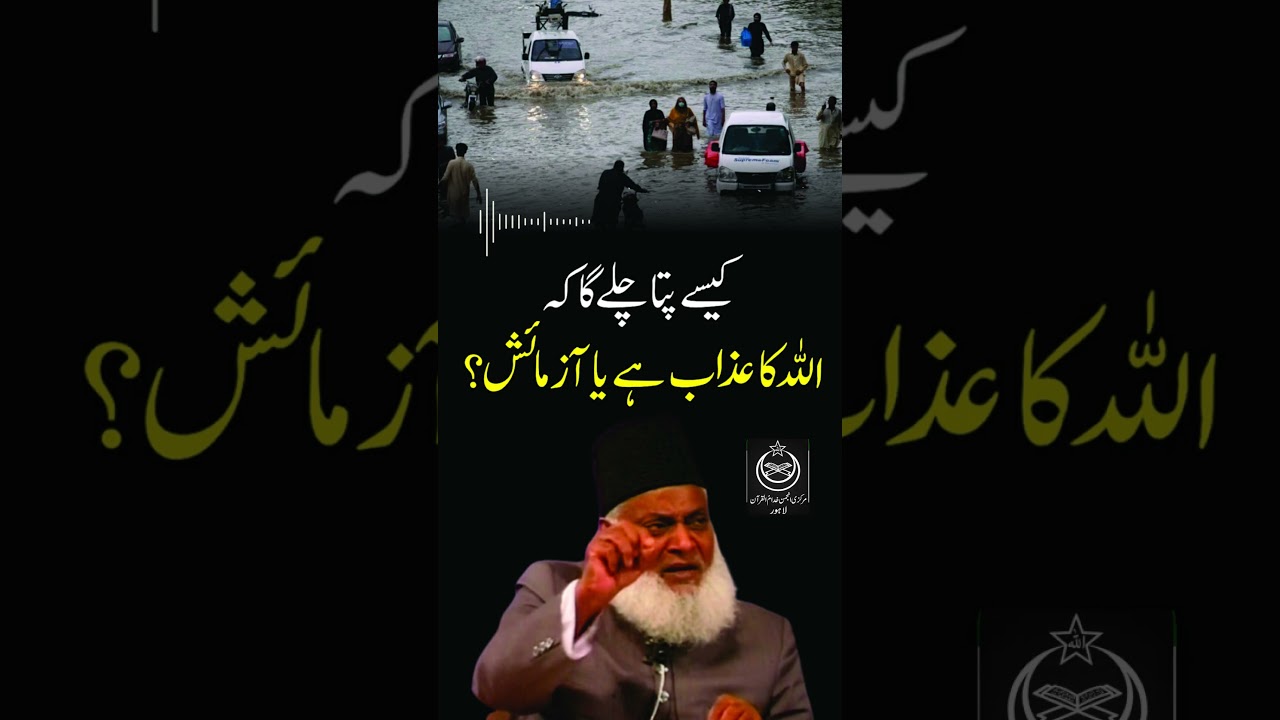
This lecture clarifies the distinction between trials (imtihan) and consequences (sada). It explains that both may appear similar externally, but the heart discerns their origin. Trials befall those striving on the righteous path, serving as tests from God. Consequences, however, stem from one’s actions. The heart will reveal whether a difficulty is a trial designed to elevate one’s status or a consequence requiring atonement. Recognizing this difference is crucial for spiritual growth and understanding divine justice.
51
The speaker addresses the issue of innovation in religious practice (bid’ah) versus adherence to the Sunnah. He critiques the performance of rituals without understanding or intention, specifically highlighting the decline in the proper observance of funeral prayers and supplications. He argues that many practices have deviated from the Prophet’s teachings and the example of the Companions, leading to a superficiality in worship and a loss of spiritual benefit. The speaker emphasizes that actions performed without divine command are unacceptable and warns against the dangers of adding to religious practices beyond what was prescribed.
42

This lecture emphasizes that propagating the message of Islam is no longer the sole responsibility of prophets, but a collective obligation incumbent upon the entire Muslim community. It argues that Muslims must actively convey the faith through their actions and outreach, becoming living examples of its principles. Failure to do so will result in a negative testimony on the Day of Judgment, with the community being held accountable for not upholding the legacy of the Prophet. The speaker stresses that establishing a clear argument for faith before all of humanity is a fundamental duty, requiring dedication of resources and abilities to effectively spread the message of Islam.
203
