ショーツ
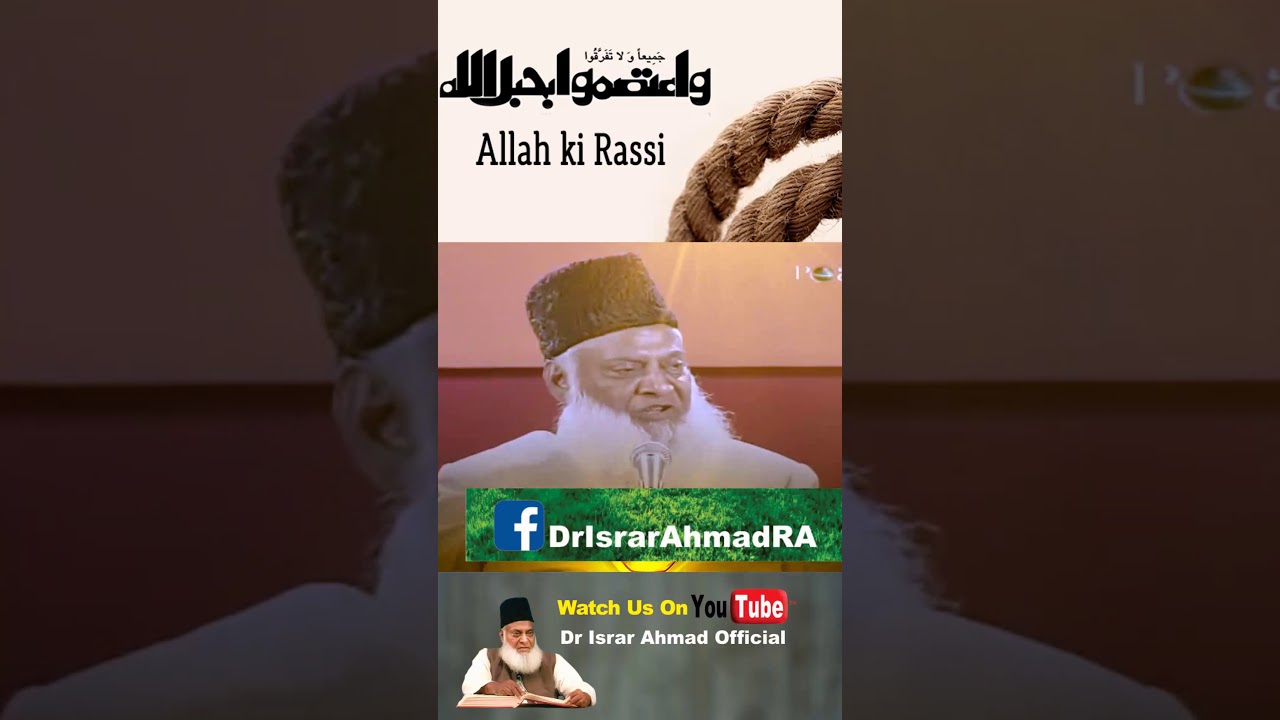
The Quran is presented as the direct connection, or ‘rope,’ between Allah and humanity. It’s the primary means of achieving nearness to Allah. This connection is twofold: one end is within our grasp, allowing us to act upon its guidance, while the other end is held by Allah, signifying divine support and blessing. The lecture emphasizes that the Quran is not merely a book, but a living pathway to spiritual closeness with Allah, offering guidance and facilitating a deep, personal relationship with the Divine.

133

This lecture explores the divine promise of acceptance for those who sincerely call upon God. It emphasizes that God actively encourages supplication and responds to the needs of His creation. The speaker clarifies that reluctance to ask from God evokes His displeasure, while persistent supplication, especially during the last third of the night, is met with response. However, arrogance and pride in worship are cautioned as barriers to divine acceptance, leading to the consequences of hellfire. The core message is about humility in prayer and the power of sincere supplication.
62

This lecture explores the interplay between divine decree (taqdeer) and the efficacy of prayer (dua). It clarifies that while Allah has knowledge of all outcomes, sincere supplication can influence events within the bounds of His will. The discussion addresses whether good deeds and prayers can increase blessings or mitigate difficulties ordained by Allah. It also explains the concepts of fixed and suspended decree, and how human actions, both righteous and otherwise, impact one's sustenance and blessings. Finally, it highlights that increased blessings can also manifest as greater barakah (divine blessing) within existing provisions, stemming from contentment and divine grace.
42

This lecture details the rulings surrounding I'tikaf during the last ten days of Ramadan. It clarifies that I'tikaf begins after the completion of the first twenty nights and continues until the sighting of the new moon marking the start of Shawwal. The lecture specifically addresses the prohibition of marital relations for those observing I'tikaf within the mosque, while permitting visitation from spouses for necessary consultation. The wisdom behind these rulings will be discussed further.
88

Companions of the Prophet Muhammad (peace be upon him) expressed their distress regarding increasing hardships. The Prophet (peace be upon him) reminded them that previous followers of Islam faced even greater trials, including being burned alive, buried alive, and dismembered. He emphasized the importance of patience and perseverance, stating that trials are a test from God and that relief will come in due time. He cautioned against impatience and assured them that enduring hardship is a characteristic of true believers.
84

This lecture explores the difference between superficial observation and true understanding. It asserts that animals perceive the external world, but humans possess the capacity to grasp the underlying reality of things. The speaker emphasizes that genuine vision comes from the heart, not merely the eyes, and seeks a deeper comprehension of existence, as exemplified in the prophetic supplication to see things as they truly are. True insight requires moving beyond appearances to grasp the essence of reality. The lecture highlights the importance of inner vision and spiritual understanding.
51
