Shorts
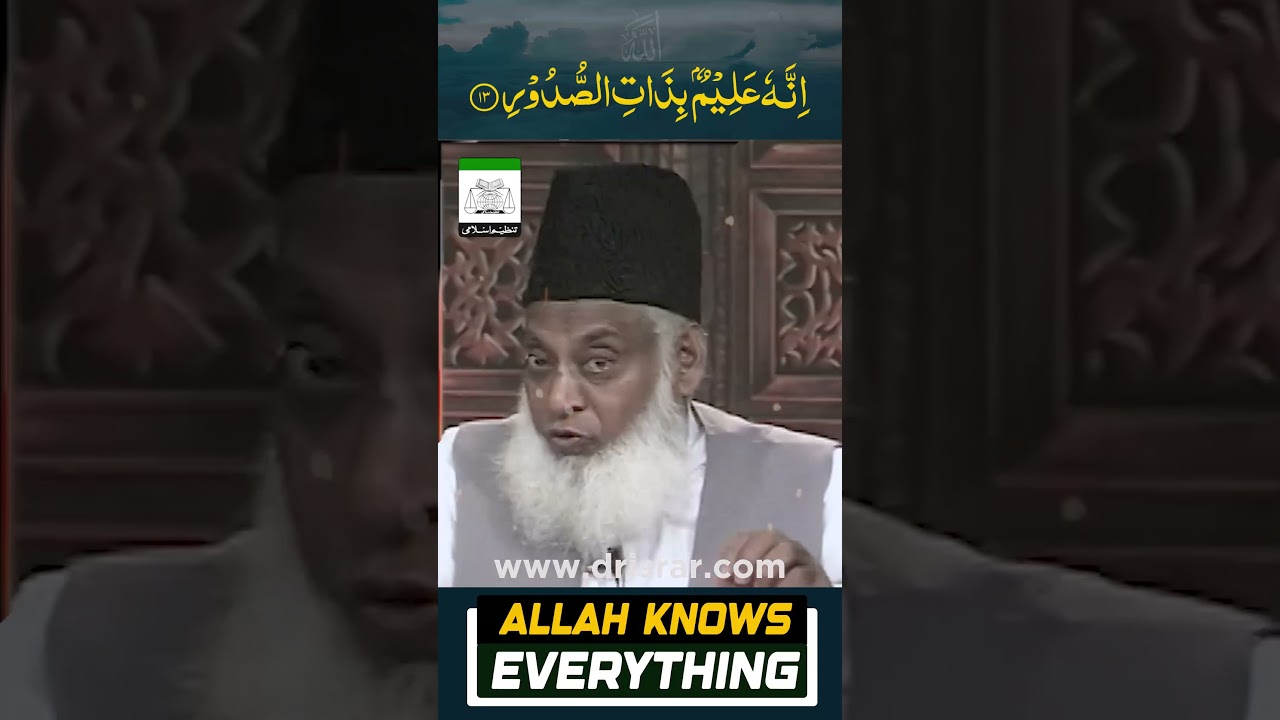
This lecture explores the complexities of the human mind, detailing three dimensions of awareness: conscious knowledge, suppressed memories, and the unconscious. It asserts that Allah (God) is aware of everything within the human being, including thoughts, intentions, and hidden desires, even those of which the individual is unaware. The discussion clarifies that both outwardly expressed and internally concealed knowledge are within divine awareness, encompassing the entire spectrum of human consciousness and subconsciousness. The lecture emphasizes the all-encompassing nature of divine knowledge, extending even to the innermost whispers of the self.

55
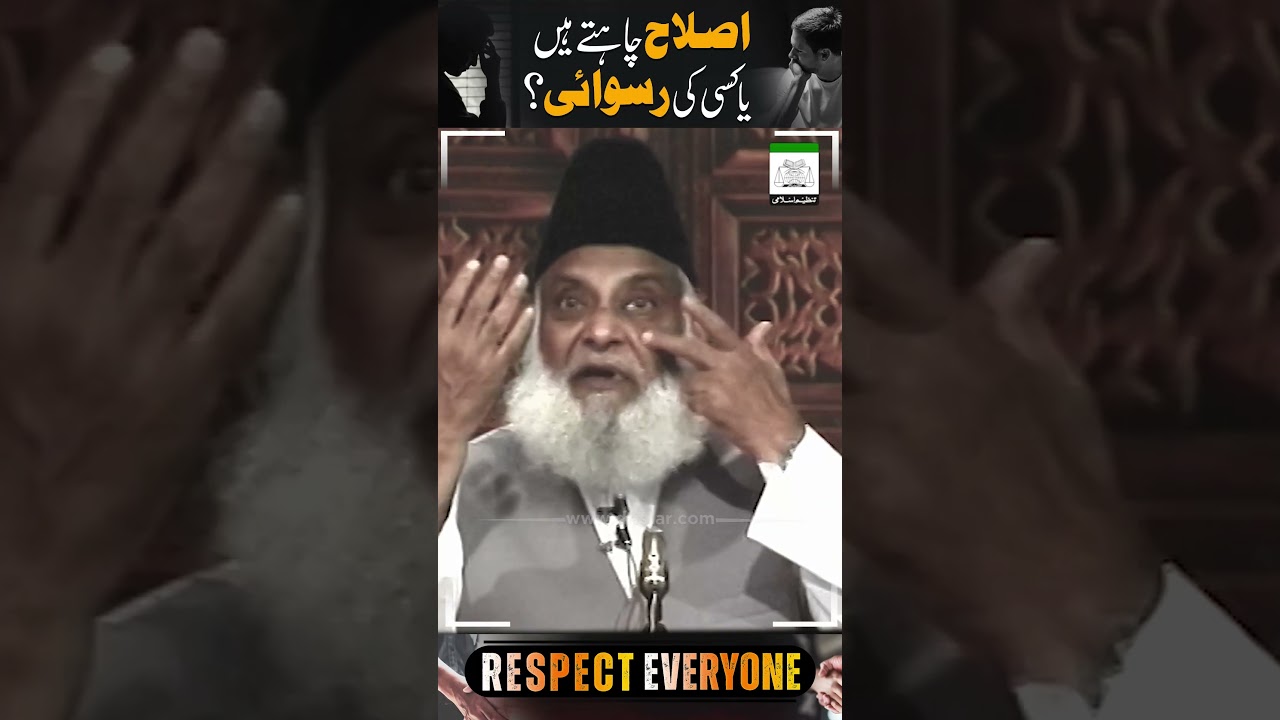
This lecture discusses the proper method of offering advice to fellow Muslims. It emphasizes that correction should be done privately and with good intentions, focusing on helping the individual improve without causing public embarrassment or damaging their reputation. The speaker stresses the importance of Muslims acting as mirrors for one another, gently pointing out flaws with the aim of betterment, not humiliation. The core principle is to offer guidance with sincerity and a desire for the other person’s well-being, fostering a supportive and constructive environment.
62
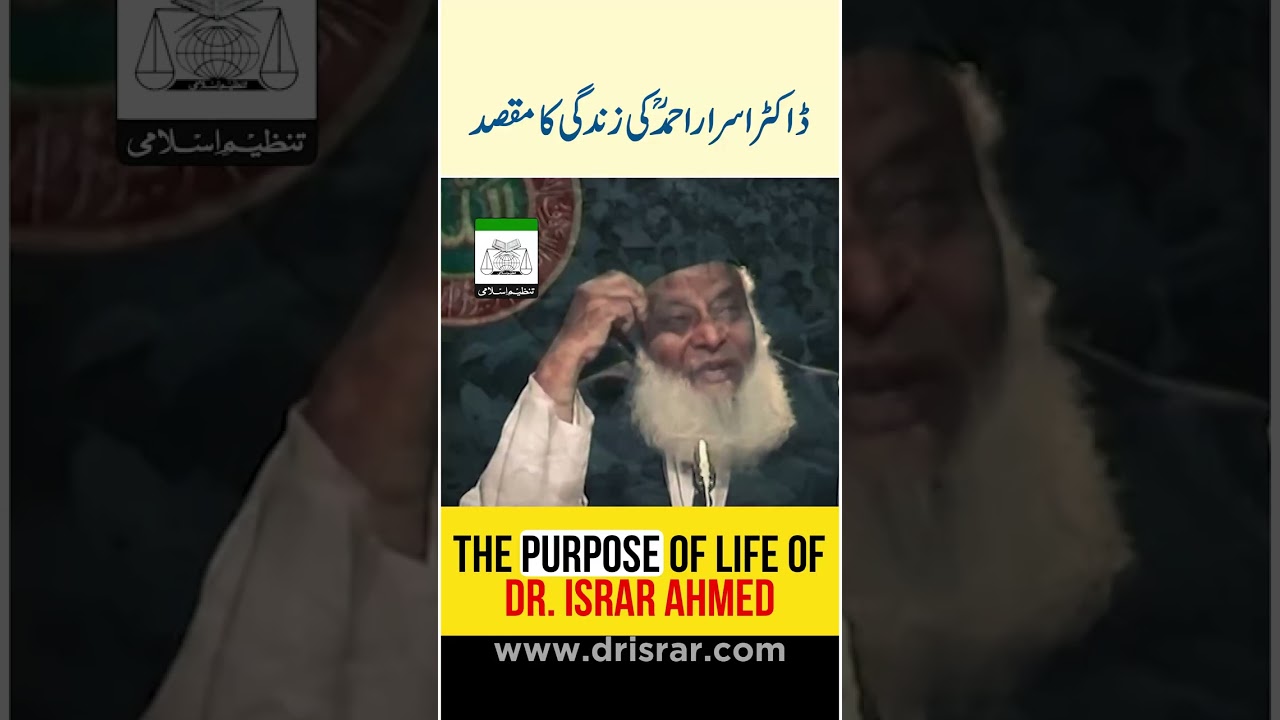
This lecture explores the speaker’s reflections on his life’s purpose and original objectives. He emphasizes a shift from viewing faith as merely a tool to embracing it as the ultimate goal. The speaker laments the fragmentation of the Muslim community and expresses a desire to rebuild unity, guiding people towards the destination set by God and the Prophet Muhammad. He highlights a longing to restore a cohesive community focused on divine guidance and shared purpose.
44

To achieve any goal, one must control their base instincts and desires. Without self-discipline, life is reduced to a mere animalistic existence. A true human is defined by purpose, striving, hard work, sacrifice, and enduring hardship. Those who live without a defined purpose simply have life pass them by, falling below even the level of animals. The Quran, in Surah A'raf, compares such individuals to livestock, and even worse, as animals are created for a specific purpose, while these individuals squander their human potential.
74
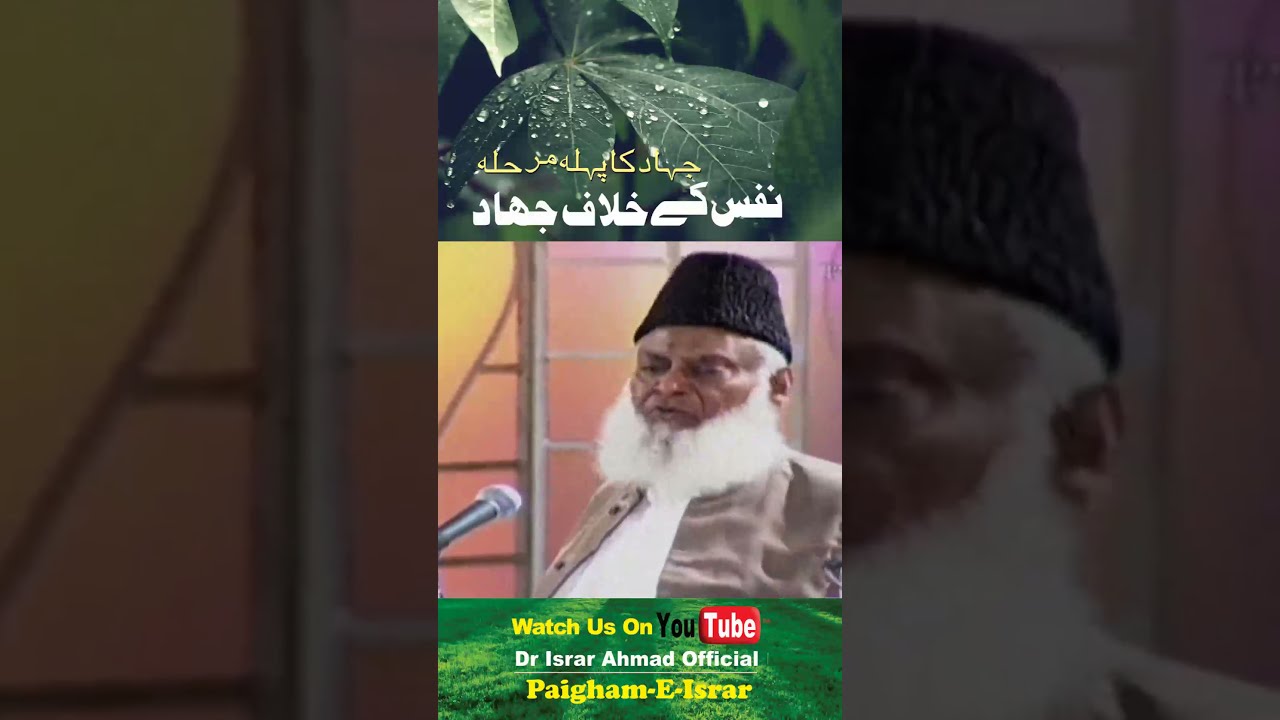
Mawla Rumi compares the human self to Pharaoh, highlighting its potential for arrogance and self-deification. While Pharaoh possessed power and proclaimed divinity, the human self often harbors similar inclinations internally, lacking external force but maintaining an internal sense of dominion. True struggle, as emphasized by the Prophet Muhammad (peace be upon him), lies in conquering this inner enemy – the self. This internal jihad, the struggle against one's desires and ego, is the foundation for all other righteous endeavors and the path to becoming a true servant of God.
73
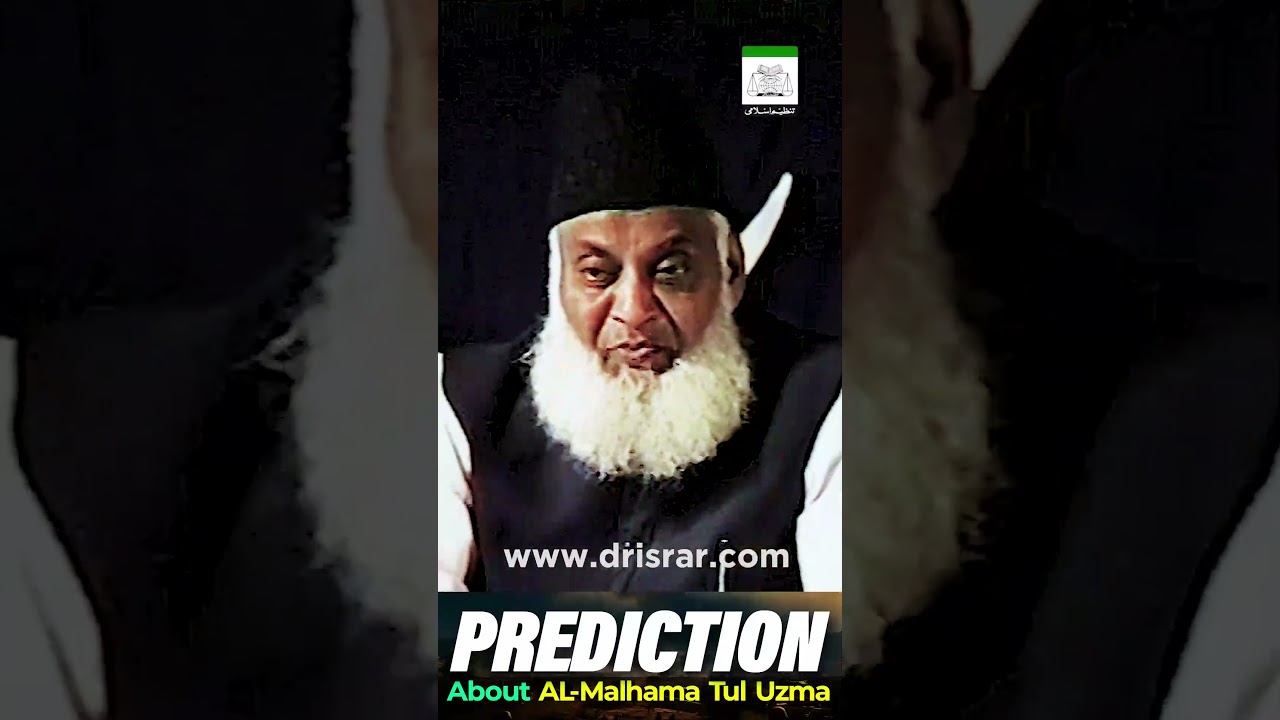
The text discusses the immense scale of future conflicts, referencing battles and wars described in prophetic traditions. It highlights a catastrophic war, described as ‘The Great Battle,’ characterized by widespread death and destruction. The area most affected will be the Arab world. The text emphasizes the severity of this coming conflict, predicting a level of carnage so extensive that even birds will be unable to find a place to land without stepping on corpses.
88
