شلوار کوتاه

The speaker clarifies a common misinterpretation of the phrase “fear God.” He argues that the original meaning is not fear of a terrifying entity, but rather a fear of disobeying Allah and failing to meet His expectations. This fear is akin to a dutiful son’s concern about disappointing his father. True reverence for Allah involves avoiding actions that would displease Him and fulfilling the hopes He has for His creation. The speaker emphasizes Allah's attributes of mercy and love, contrasting them with the notion of a fearsome God. This fear should motivate obedience and a striving to please Allah, not a paralyzing dread.

77
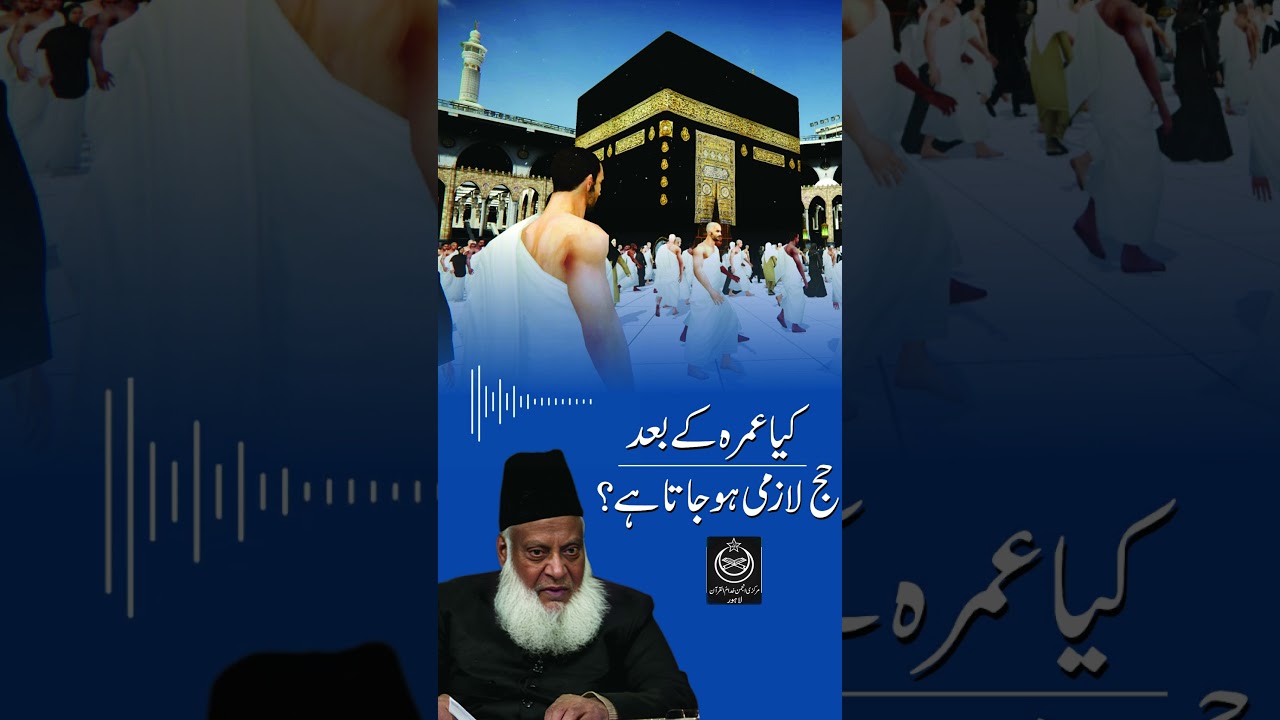
This lecture clarifies whether performing Umrah necessitates performing Hajj. It addresses the scenario of someone performing Umrah while on official government travel, funded by the state, and lacking the financial means for Hajj. The core point is that Umrah itself does not automatically make Hajj obligatory. However, if an individual possesses the financial capability, they should prioritize fulfilling the obligatory Hajj pilgrimage. The lecture emphasizes that if someone can afford to perform Hajj, it becomes an obligation upon them.
75

During the Tabuk expedition, an Ansari companion, a poor laborer, worked tirelessly irrigating a Jewish man’s garden. He offered half of his earned dates as charity, presenting the other half to the Prophet Muhammad. Despite the vast supplies amassed for the campaign, hypocrites suggested the expedition would be incomplete without his contribution. The Prophet declared these few dates to be heavier in the sight of God than the entire amassed wealth, highlighting the sincerity of the companion's offering and the value of selfless devotion.
49
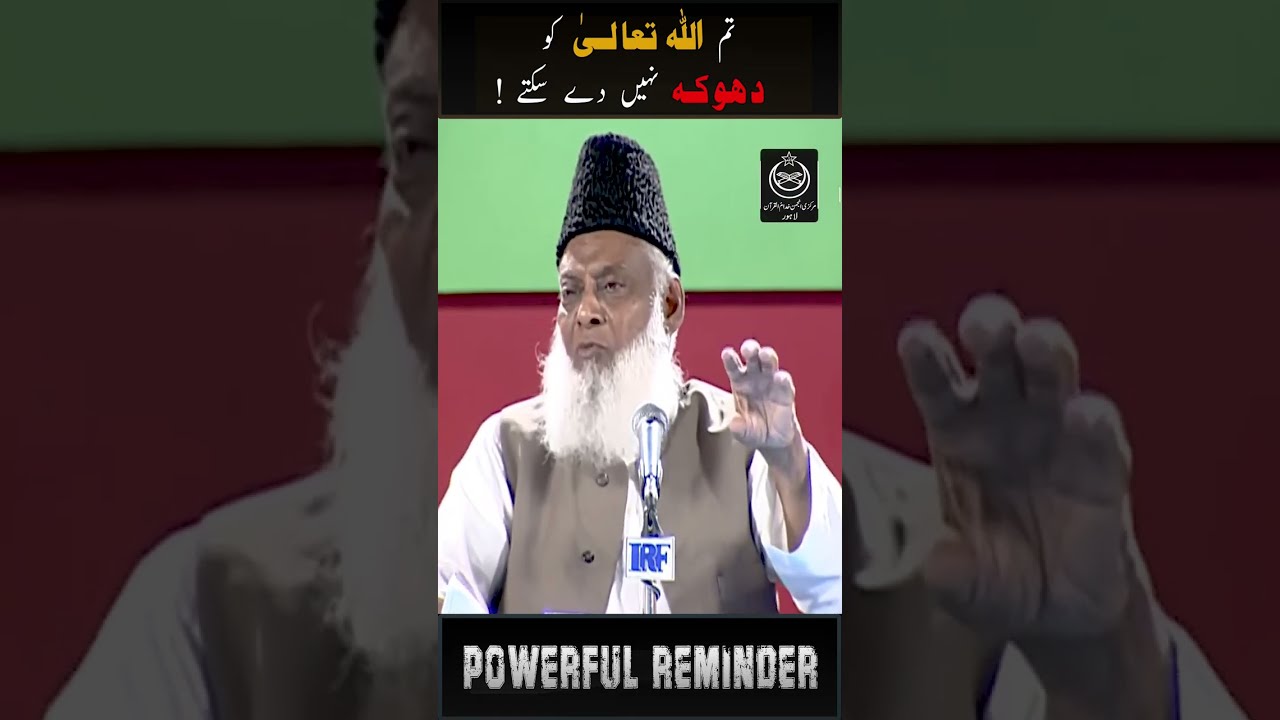
Partial obedience is unacceptable; complete submission to divine commands is required. Selectively following religious dictates, driven by personal inclination, renders all obedience void. The Quran warns against accepting some scriptures while rejecting others, leading to disgrace in this life and severe punishment in the hereafter. Allah sees beyond superficial displays of piety and judges intentions. True devotion requires sincere faith and righteous actions, not merely outward rituals performed with ill-gotten gains. This lecture emphasizes the importance of wholehearted commitment to faith and the consequences of hypocrisy.
46

Mawla Rumi compares the human self to Pharaoh, highlighting its potential for arrogance and self-deification. While Pharaoh possessed power and proclaimed divinity, the human self often harbors similar inclinations internally, lacking external force but maintaining an internal sense of dominion. True struggle, as emphasized by the Prophet Muhammad (peace be upon him), lies in conquering this inner enemy – the self. This internal jihad, the struggle against one's desires and ego, is the foundation for all other righteous endeavors and the path to becoming a true servant of God.
66

Iqbal observed that if Nietzsche had lived in a time where he could have been guided, Iqbal would have explained the concept of *maqam-e-qabriya* (the station of the grave). The text posits that rebellion, transgression, injustice, and oppression originate within humanity, leading to the violation of others' rights and a sense of impunity. This unchecked behavior escalates into wrongdoing, exploitation, and unlawful gain. The ultimate remedy, as highlighted, is returning to God, emphasizing that while justice may be delayed, it is inevitable.
60
