Şort
This lecture addresses the importance of individual engagement with religious teachings and self-reflection. It critiques the professionalization of religious roles, arguing that every Muslim should be capable of leading prayers, performing marriage ceremonies, and conducting funeral rites. The speaker emphasizes that religious knowledge and practice should not be limited to a select few, but accessible to all Muslims. The core message urges listeners to examine their own faith and commitment to religious principles instead of criticizing religious scholars.

225
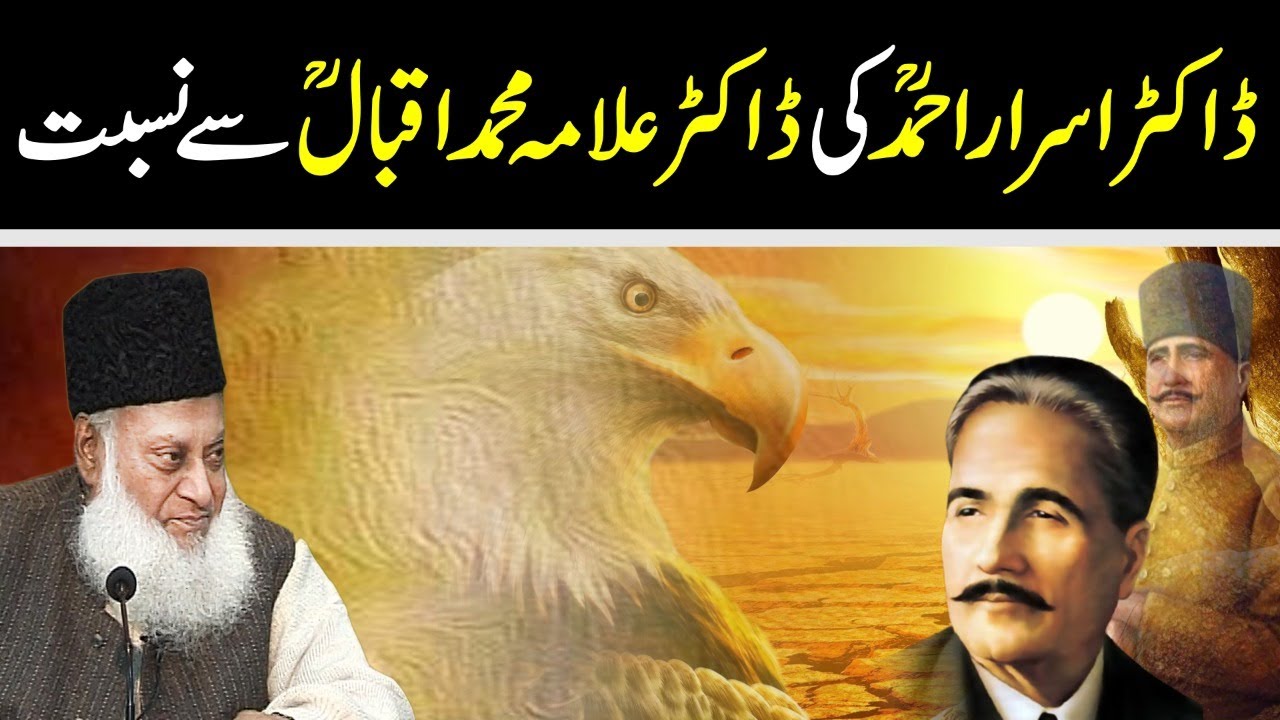
Dr. Israr Ahmad discusses Allama Iqbal’s vision for the Muslim Ummah, his early exposure to Islamic teachings, and the connection between his poetry and the Quran. He details the establishment of an organization fulfilling Iqbal’s dream of combining Quranic study with modern education, and the principles behind the founding of an organization dedicated to practicing Muslims committed to Quranic principles. He also explains the reasons behind the failure of the establishment of Jamaat-e-Islami and the founding of Tanzeem-e-Islami. Dr. Ahmad emphasizes the importance of prioritizing faith and practice over political engagement and adhering to a system based on commitment rather than elections. He shares his personal connection with Iqbal’s legacy and his commitment to continuing his work.
89
Faith is not merely belief; it is a radiant force, akin to the brilliance of the sun. True faith manifests through righteous action, blossoming into ethical conduct, unwavering trust in God, contentment with divine decree, obedience to God, following the Prophet’s example, and consistent goodness. It is the inner light that guides one’s life and shapes one’s character. This lecture explores the comprehensive nature of faith, emphasizing its practical implications and transformative power.
60
The Quran is presented as the primary miracle of the Prophet Muhammad (peace be upon him). Its greatest miracle in the modern world is its power to instigate a monumental revolution in human history, establishing a just system. This transformation occurred entirely through the message of the Quran, and its continued invitation is through its verses.
101
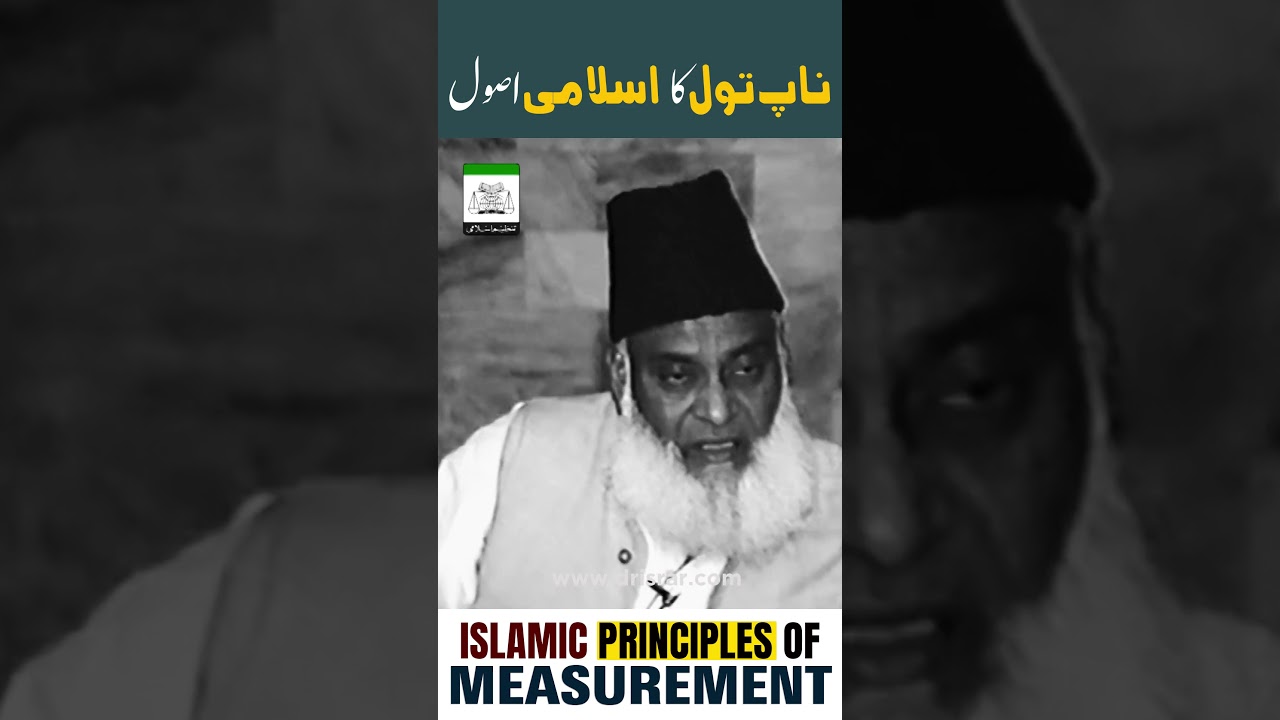
This excerpt emphasizes the importance of honesty and fairness in all dealings, specifically in trade and measurement. It instructs individuals to fulfill measures completely when selling and to use straight scales when weighing, ensuring accuracy and equity. The text highlights that adhering to these principles leads to a better outcome and overall goodness. It’s a call for ethical conduct and just practices in all aspects of life, promoting a society built on trust and integrity.
65
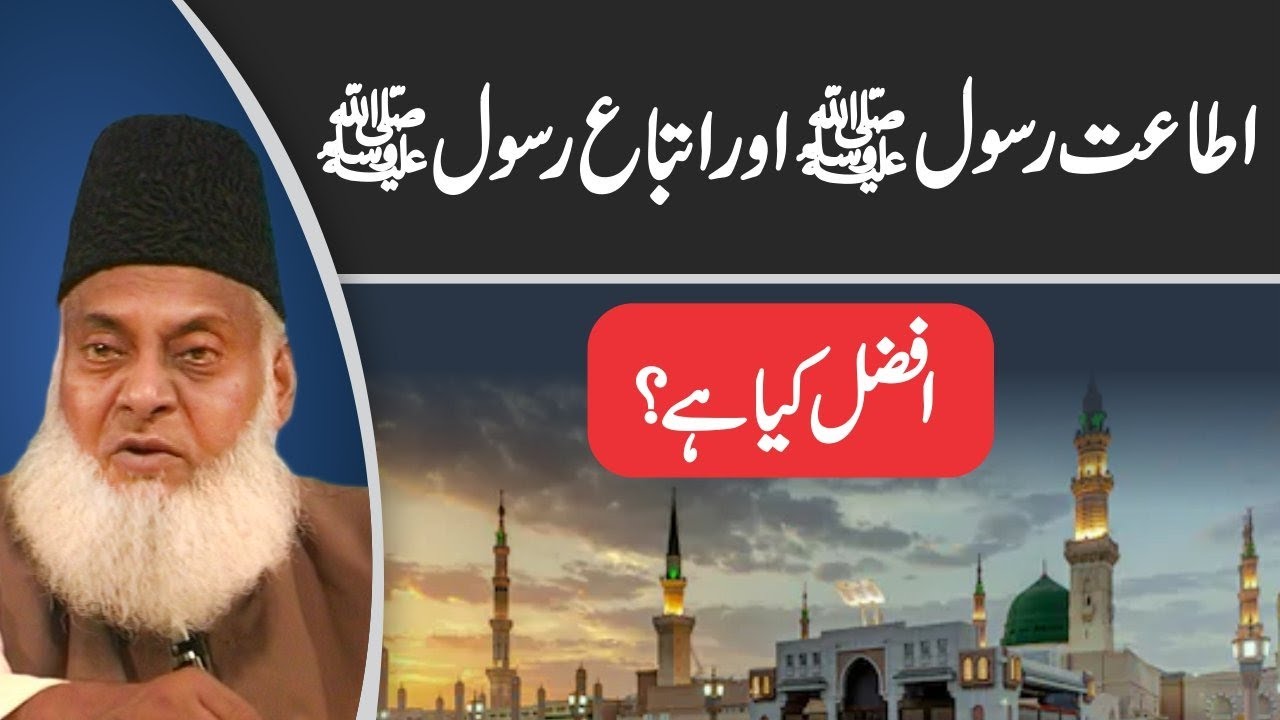
This lecture emphasizes the inseparable link between loving Allah, loving the Prophet Muhammad (peace be upon him), and following his example. True faith requires both emotional devotion and practical obedience. The speaker details the high standard of love and obedience expected of believers, referencing the Prophet’s relationship with companions like Umar Farooq. He distinguishes between mere obedience to commands and complete emulation of the Prophet’s character and actions. The lecture highlights that following the Prophet is the path to earning Allah’s love and forgiveness, even in moments of weakness. It stresses the importance of prioritizing the Prophet's example above all else.
244
