Korte broek
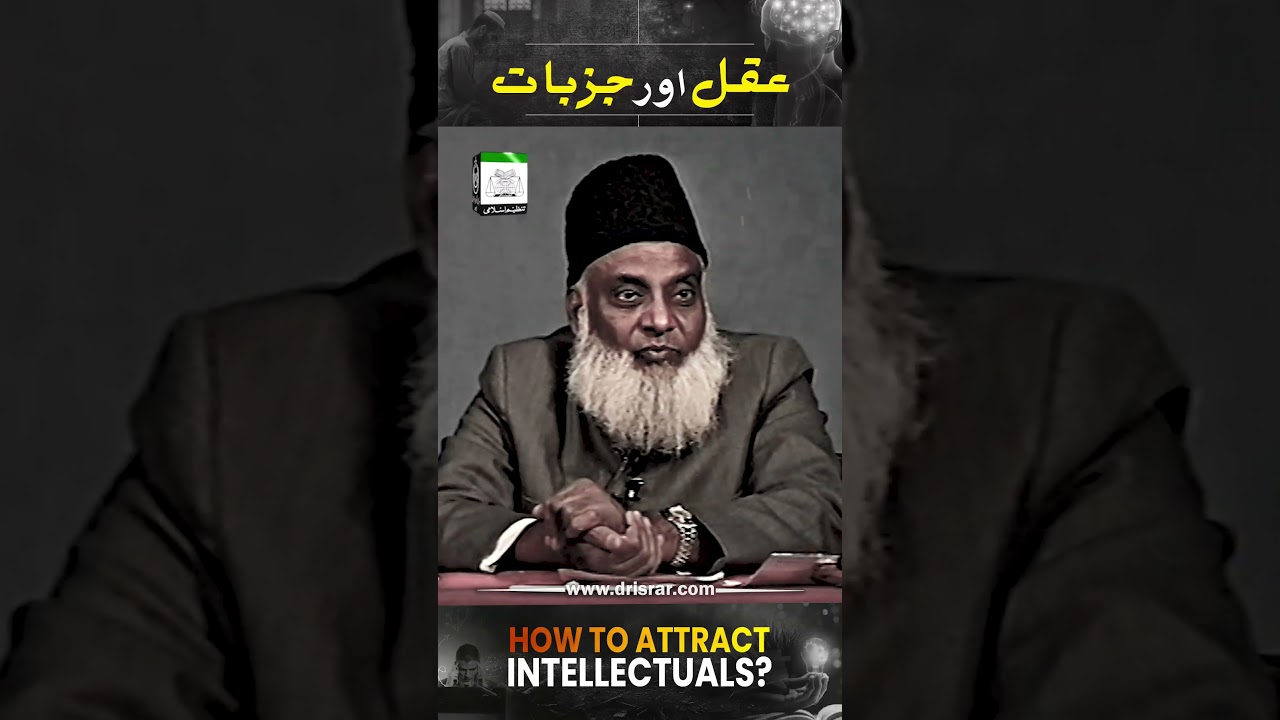
This lecture explores the crucial balance between intellect and emotion. It argues that while reason illuminates the path – defining goals and direction – it is passion that provides the impetus for action. The speaker uses the historical example of the *iqal* – a rope used by Arab Bedouins to tether their camels – to illustrate how limiting oneself to reason alone can stifle progress. The *iqal*, initially used to restrain the camel, became a symbol of freedom when moved to the owner’s head, signifying a readiness to embark on a journey. The lecture emphasizes that true progress requires both rational understanding and emotional drive, cautioning against being overly bound by practical considerations and societal expectations.

81
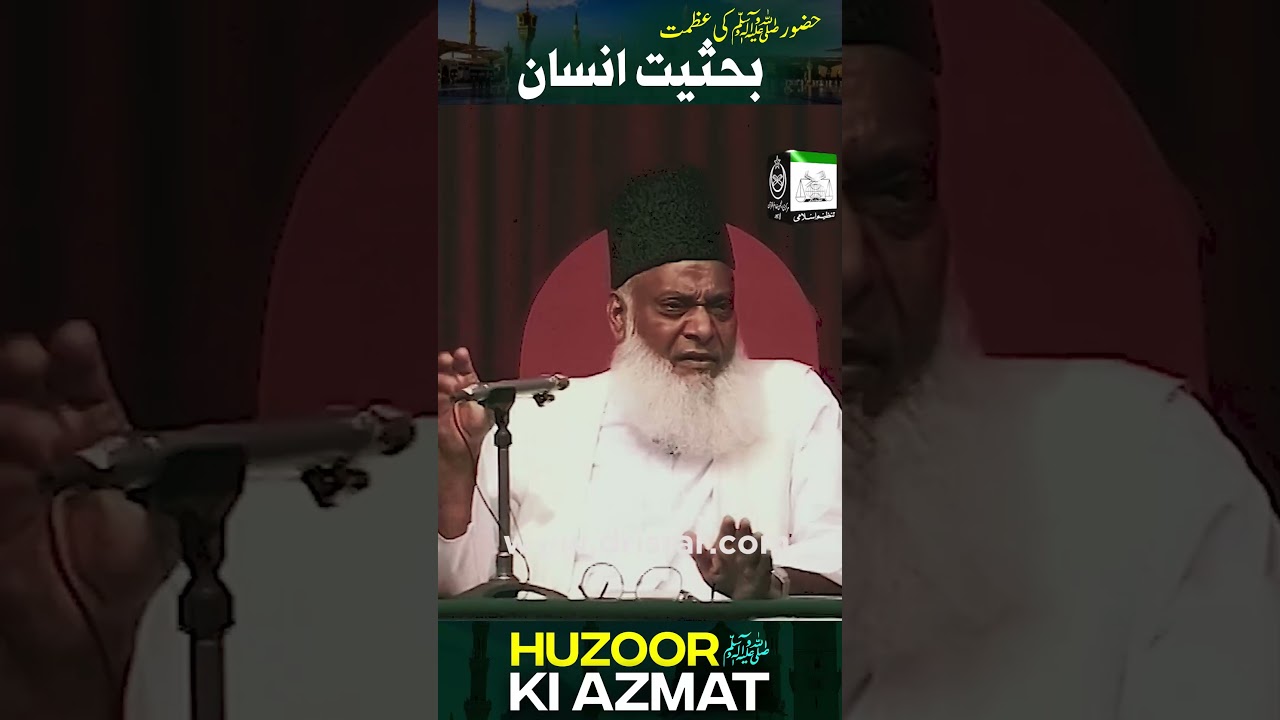
This lecture explores the multifaceted greatness of the Prophet Muhammad (peace be upon him). It highlights his exceptional qualities not merely as a human being, but also as a strategic leader and diplomat. The discussion focuses on his unparalleled skill in military strategy, despite never personally participating in battle, and his mastery of negotiation and conflict resolution. The lecture details his ability to forge alliances and unite diverse groups, exemplified by the agreements he established in Medina and previously in Yathrib, demonstrating his profound leadership and wisdom.
81
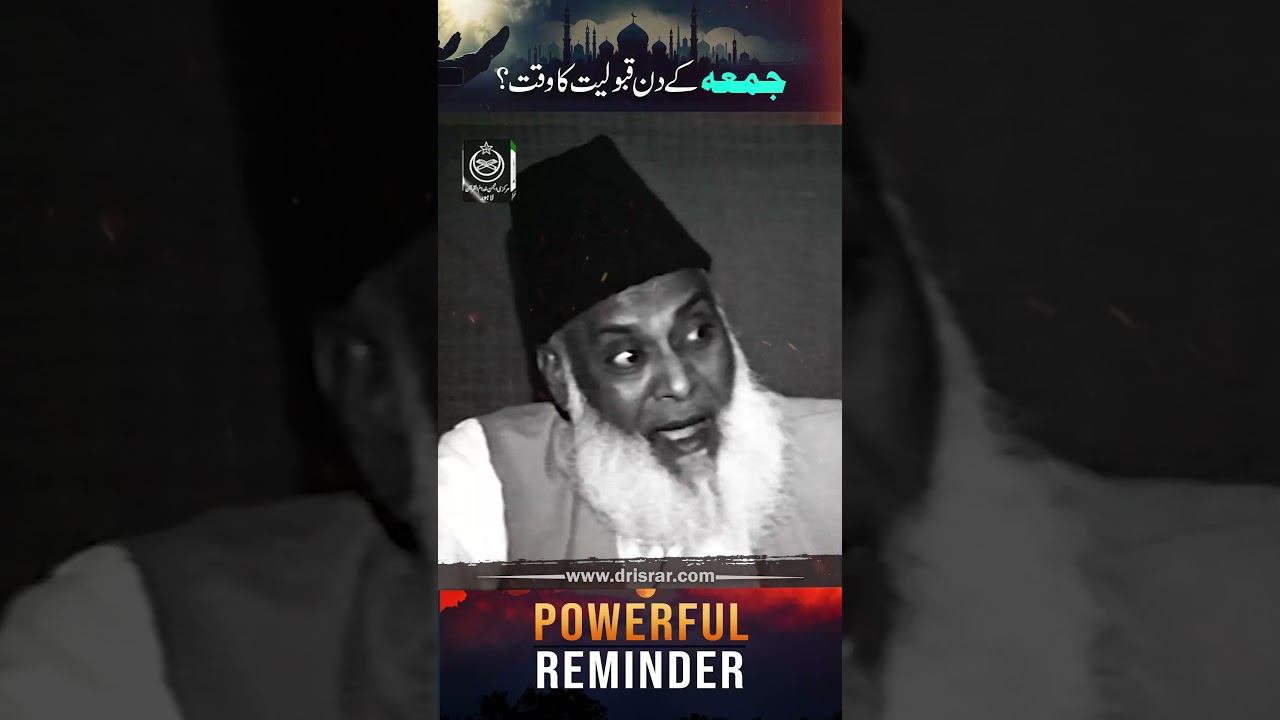
This lecture details a specific, undisclosed hour on Friday when prayers are believed to be particularly effective. Various interpretations exist regarding its timing. Some scholars suggest it's the period between the two khutbas during Jummah prayer. Others believe it spans from immediately after the Jummah prayer until Asr. Consequently, many observant Muslims spend this time in mosques, engaging in remembrance and recitation of the Quran. The precise timing remains intentionally concealed, adding to its spiritual significance.
67
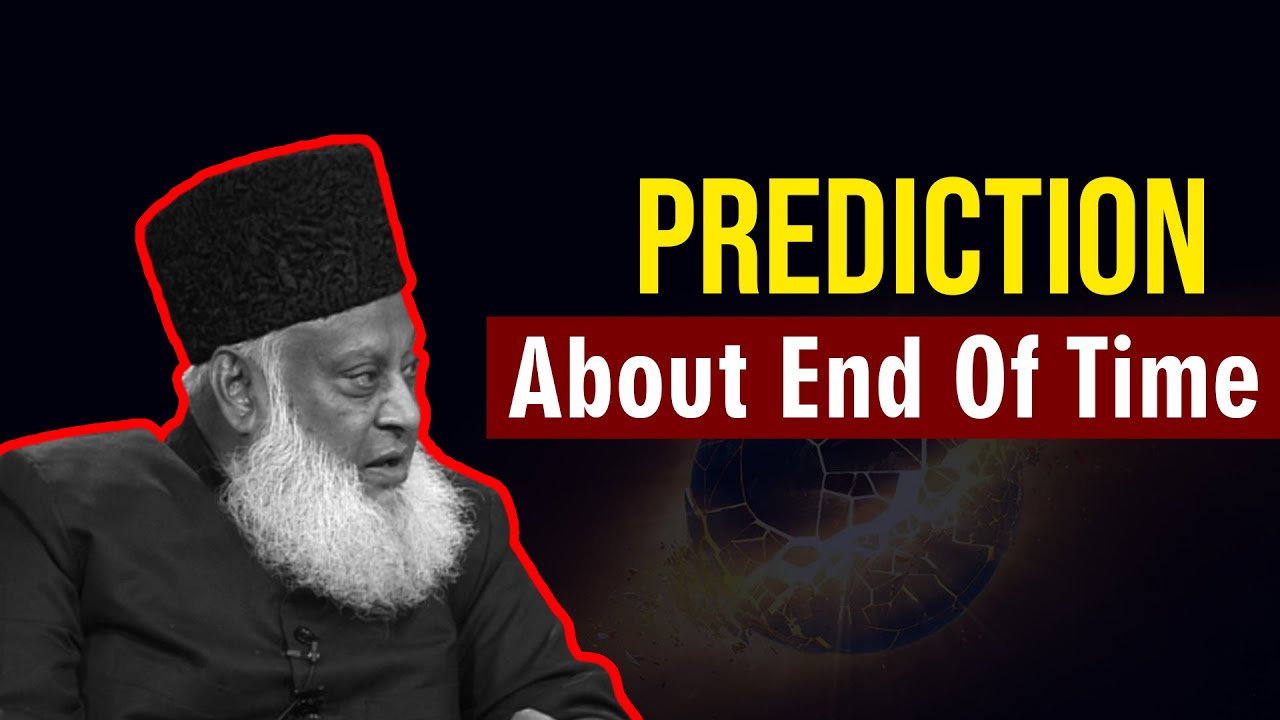
This lecture explores the incomplete nature of the Prophet Muhammad’s mission, asserting that the complete prevalence of the Divine religion across the entire world is a prerequisite for the Day of Judgement. It details how, while significant portions of Arabia were illuminated by the light of monotheism during the Rashidun Caliphate, vast regions including China, India, Europe, and much of Africa remained untouched. The speaker emphasizes that until the entirety of the earth embraces the Divine message, the Prophet’s ultimate objective remains unrealized, highlighting the continuous need for striving and dedication towards its completion.
52
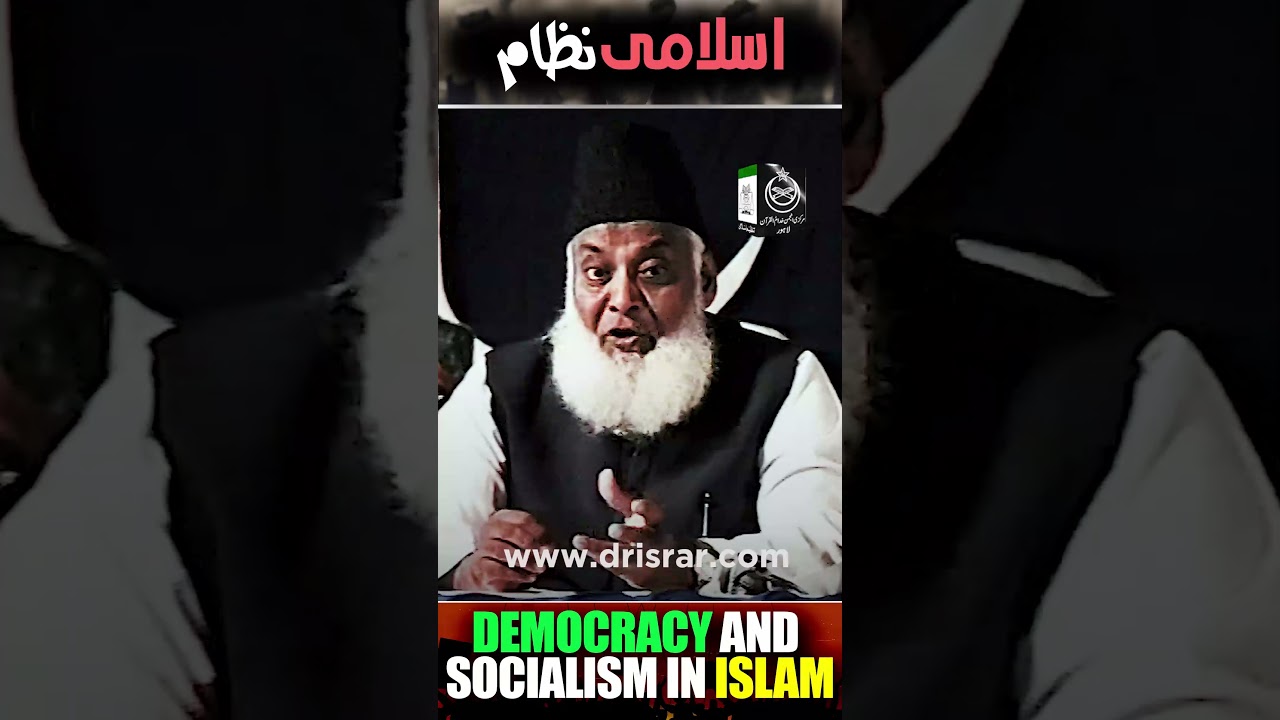
Islam is a complete way of life and cannot accommodate elements from other systems. The speaker argues against the integration of modern democracy and socialism into Islam, asserting that Islam possesses its own inherent democratic and socialist principles rooted in its teachings and jurisprudence. He points to the presence of the term ‘jumhoor’ (the public) in Islamic texts as evidence of Islam’s democratic foundation, and the concept of ‘shirkat’ (partnership) as its socialist basis. Islam’s system is comprehensive and self-sufficient, rejecting external ideological grafting.
48
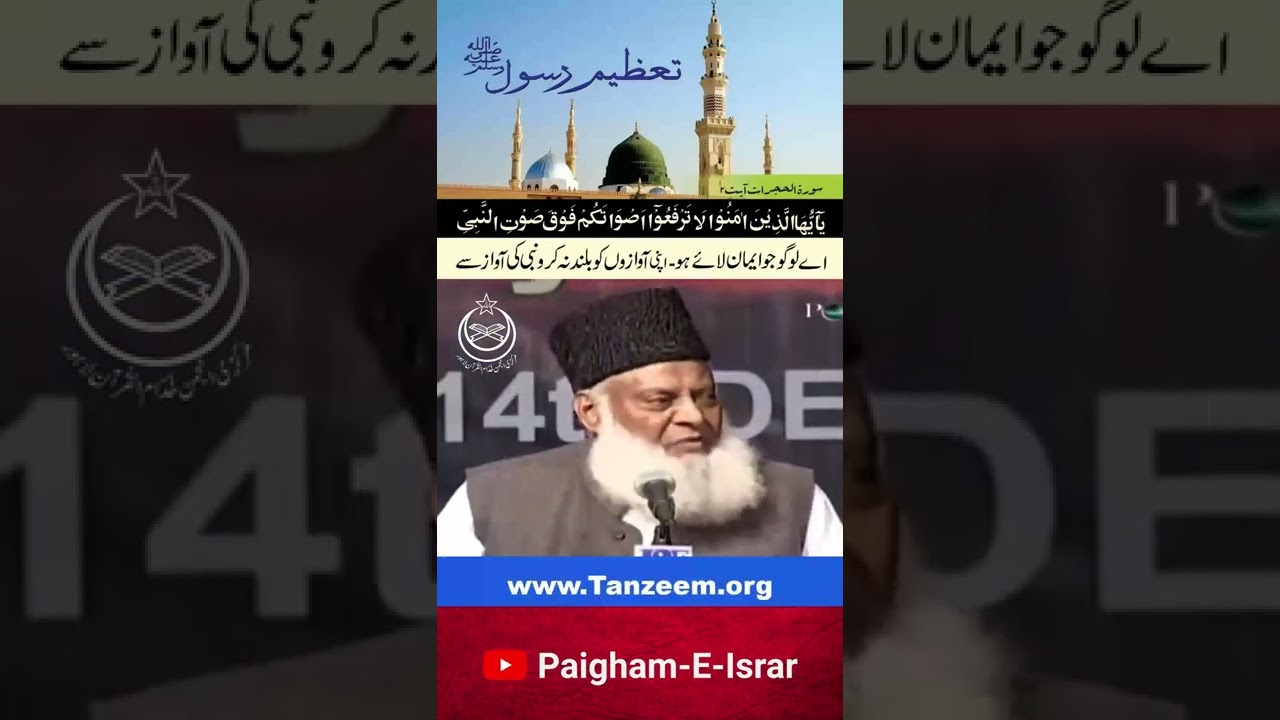
This lecture emphasizes the importance of respectful communication. It cautions against raising voices above the Prophet Muhammad’s, discourages boisterous or disrespectful dialogue, and warns that a lack of decorum can lead to the complete loss of influence and effectiveness, leaving one unaware of the damage caused. Maintaining respectful speech is crucial for preserving dignity and achieving positive outcomes in all interactions.
63
