短裤
This lecture emphasizes the importance of reason ('aql) as a pathway to understanding divine guidance. It asserts that belief should be grounded in either rational thought, the teachings of the Quran, or the traditions of the Prophet Muhammad. The speaker stresses that knowledge stems from sensory experience, intellectual reasoning, or reliable transmission. Blind adherence to anything without understanding is discouraged. True knowledge is either acquired through one’s own senses, intellect, or through verified sources.

47
This lecture explains that accountability for evil deeds is direct and proportionate to the harm caused. Conversely, the acceptance of good deeds is contingent upon faith—belief in God, the Day of Judgement, angels, scriptures, and prophets. Giving to relatives, orphans, and the needy are also emphasized as integral aspects of righteous conduct. True piety isn’t merely outward displays of devotion, but sincere belief and action rooted in faith. The core message stresses that actions are judged based on intention and belief.
54
Allama Iqbal, at the beginning of the 20th century, foresaw the rise of a destructive ideology, even before its full manifestation in Nazi Germany. His initial work focused on economics, but he was a philosopher and a poet with profound insight. He recognized the seeds of a sentiment that would later fuel the Holocaust—the perception of being controlled by external forces. This early awareness, predating overt reactions within Nazi Germany itself, allowed him to anticipate the potential for extreme brutality. The systematic extermination of six million people, a horrific event, stemmed from this perceived control and the resulting resentment. Iqbal understood the danger inherent in such beliefs.
61
This lecture clarifies the Islamic perspective on the rights of neighbors. It emphasizes that if a neighbor isn’t actively hostile or working against Islam, they are entitled to rights as a neighbor. The Prophet Muhammad (peace be upon him) stressed the importance of neighborly relations to such an extent that it was feared inheritance laws might extend to include neighbors. The talk details the significant rights neighbors hold in Islam.
81
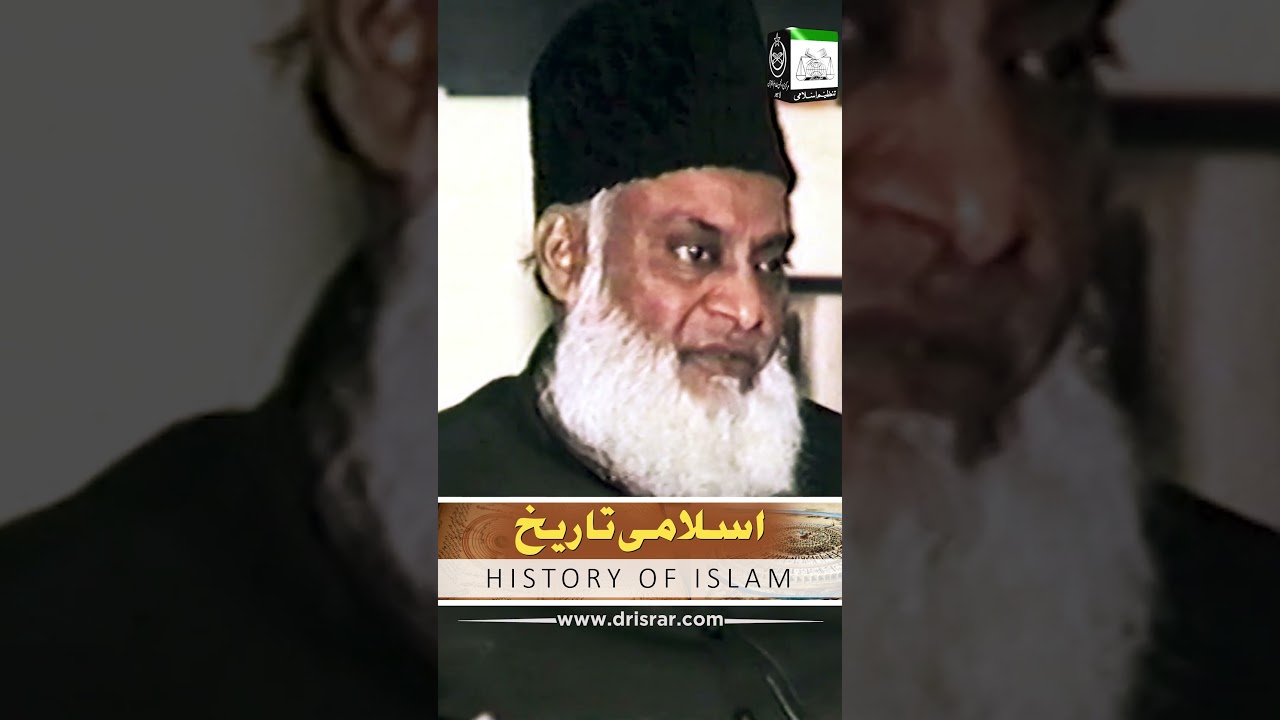
The history of Islam doesn't begin solely with the Prophet Muhammad ﷺ; its origins trace back to Prophet Adam. While the historical details from Adam to Moses are less preserved, the Israelites represent the first nation to emerge on the world stage. According to available knowledge, the Israelites were the first nation, and the final nation is the Ummah of Muhammad ﷺ. This lecture explores the historical lineage of Islam, emphasizing its continuity from the earliest prophets to the final messenger.
57
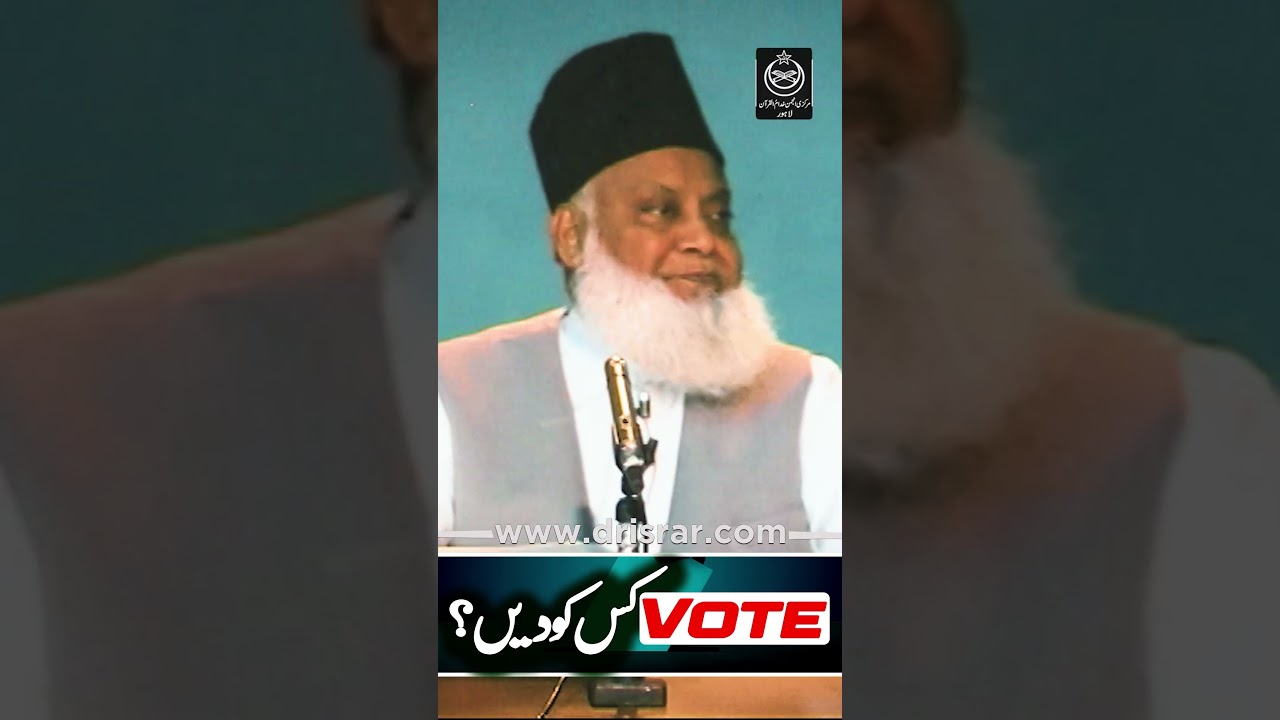
This lecture emphasizes that voting is an act of entrusting responsibility, akin to appointing a trustworthy advisor. Voters should prioritize competence, integrity, and suitability when selecting representatives at all levels—from local officials to national leaders. The speaker cautions against prioritizing personal connections, nepotism, or self-interest. The selection process must ensure that chosen individuals are truly capable of serving the nation, community, and wider collective, upholding principles of justice and competence in governance. The ultimate goal is to establish an organization built on merit and dedicated to selfless service.
53
