Shorts

This lecture emphasizes the transient nature of worldly life and the importance of preparing for the afterlife. It highlights that life in this world is merely a temporary diversion, like a game or play, and true life resides in the hereafter. The speaker stresses that the passage of time feels incredibly swift, akin to a few hours when viewed from the perspective of eternity. A firm belief in this reality should empower individuals to face trials and tribulations with resilience, knowing that death is an inevitable journey toward union with the Beloved – Allah. The lecture encourages a joyful acceptance of death as the lifting of a veil separating us from our ultimate home and true happiness.

50

This lecture explores the concept of unwavering commitment to a goal, even in the face of difficulty. It emphasizes that true progress requires consistent effort and striving, not complacency. The speaker highlights that a firm resolve, coupled with persistent struggle, is essential for achieving spiritual and worldly success. The text draws a parallel between a 'firm promise' (pakka wada) and the necessary exertion to fulfill it, suggesting that without dedicated struggle, even a strong commitment remains unrealized. It further connects this principle to the broader context of realizing divine unity and the eventual flourishing of existence.
52

This lecture explains the collective responsibility of the Muslim community to propagate the message of Islam, building upon the prophetic mission. It emphasizes that after the finality of prophethood, this duty falls upon the entire Ummah. The core message is to first reconnect with faith and then extend its invitation to family, close relatives, and ultimately, all of humanity. The lecture highlights the importance of a collective strength within the Ummah to effectively convey the message and protect themselves and others from divine punishment. It stresses the need to prioritize personal and familial faith before extending outreach to a wider audience, echoing the Quranic instruction to warn close relatives first.
38
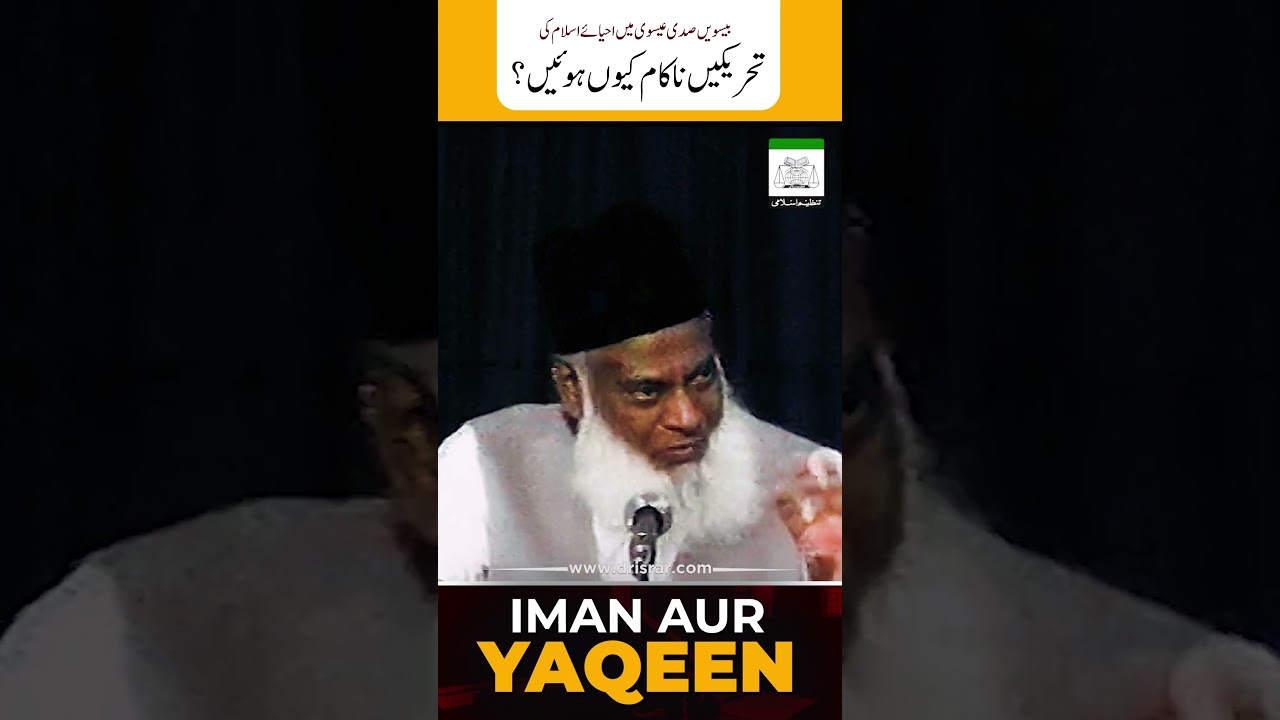
The 20th century witnessed numerous Islamic revivalist movements—such as the Muhammadiyah in Indonesia, Jamaat-e-Islami in the Indian subcontinent, Fidaiyan-e-Islam, and the Muslim Brotherhood in Egypt—all of which ultimately failed. A fundamental error underlying these failures was the assumption of inherent faith based solely on declaration. Simply professing belief in God and the Prophet is insufficient; true faith necessitates a deep-seated conviction that permeates the heart and illuminates the entire being. The heart, according to the Prophet Muhammad, is the core of the body; its health determines the well-being of the whole. Without a genuine connection to faith, one deceives themselves by merely claiming to be Muslim.
75
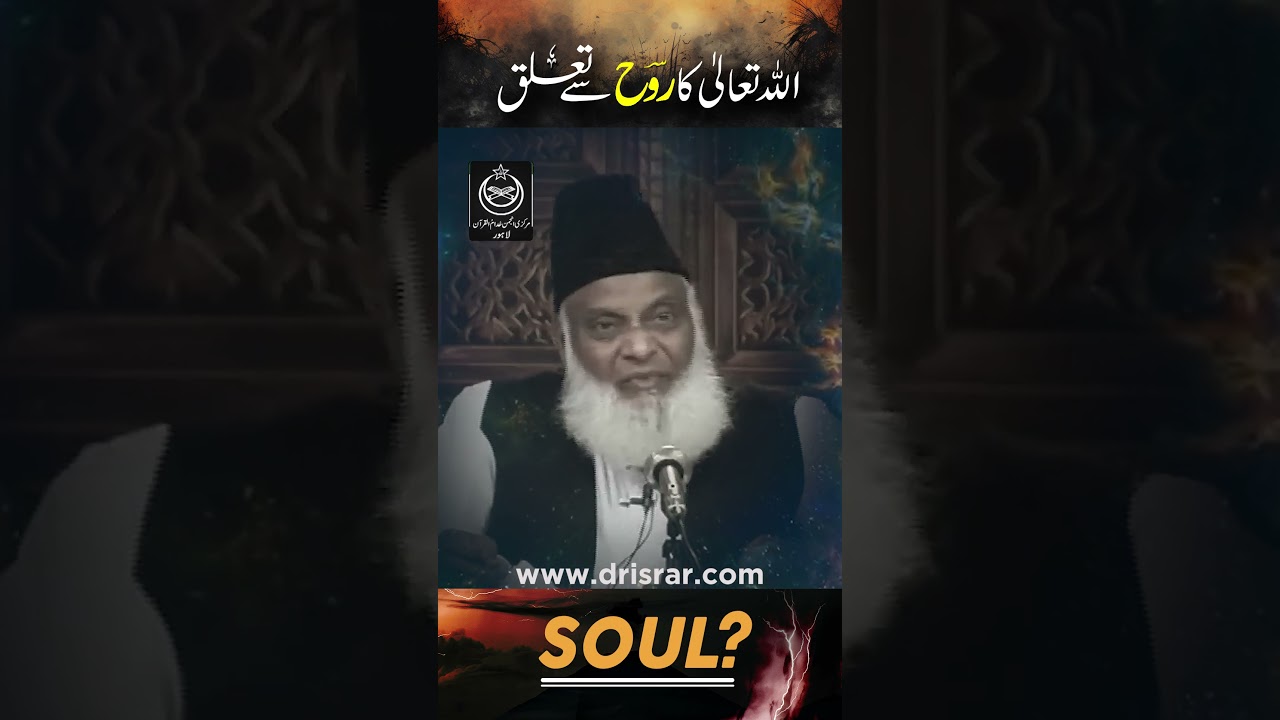
This lecture explores the concept of divine love and its separation from mere physical knowledge. It posits that true love resides in the spirit, not the body, and is a direct connection with God. The body is transient, originating from and returning to the earth, while the soul maintains a relationship with the divine that surpasses human comprehension. The speaker argues that modern knowledge often lacks the 'sword' of spiritual insight, leaving only the 'sheath' of empty information. The nature of the soul’s connection to the body and its divine origin remains largely unknown, highlighting the limitations of purely physical understanding.
21

The Prophet Muhammad (peace be upon him) clarified that true bankruptcy isn't financial poverty, but a deficiency in fulfilling rights owed to others. A person may perform numerous prayers, fasts, and pilgrimages, yet be considered bankrupt if they have wronged others through theft, slander, or abuse. On the Day of Judgment, the wronged will claim compensation from the wrongdoer's good deeds. If those deeds are exhausted, the wrongdoer will bear the burden of the wronged’s sins, ultimately facing punishment in Hell. This highlights the importance of justice and accountability.
28
