Kurze Hose
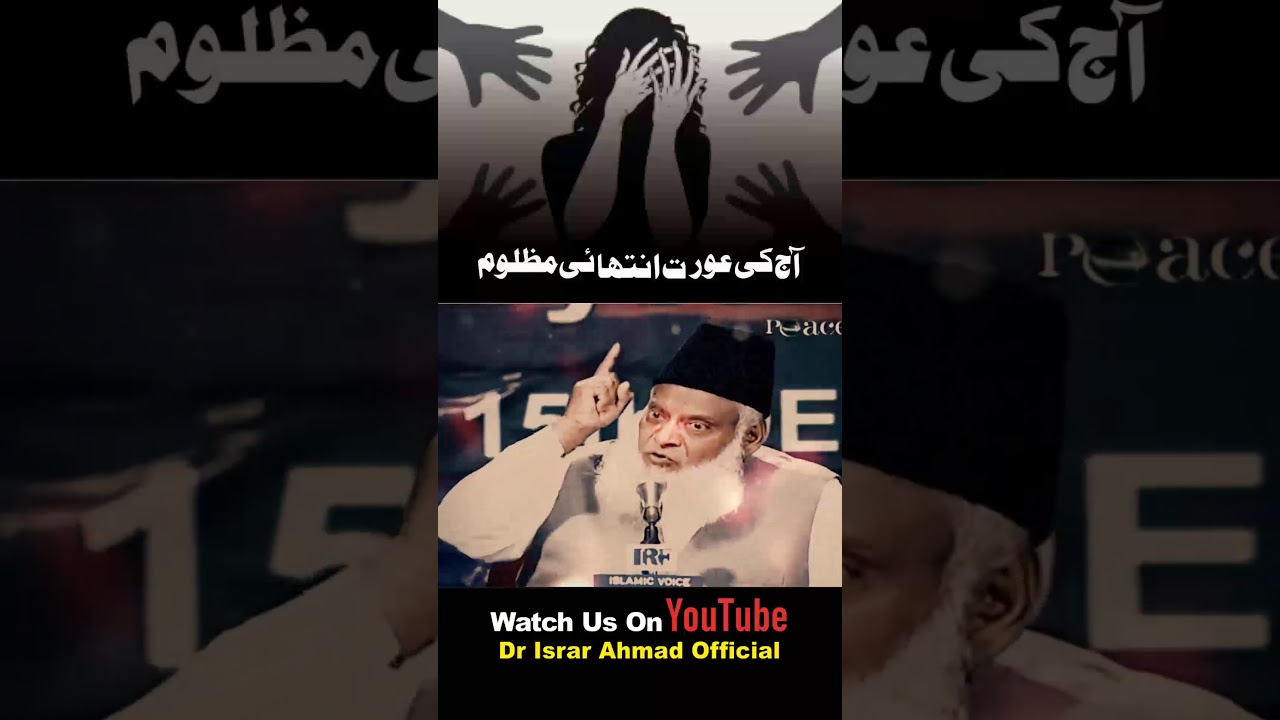
This lecture discusses the plight of women, particularly in Western societies, highlighting the burdens they bear – pregnancy, childbirth, and financial responsibility. It critiques the objectification of women and questions the values of Western civilization, suggesting a concerning trend of exploitation and disregard for their dignity. The speaker emphasizes the need to understand and respect women's true worth and role in society.

428
This lecture discusses a crucial inner assessment. One side of a metaphorical scale holds love for eight worldly things: father, son, siblings, spouse, relatives, wealth, skills, and home. The other side holds love for God, the Prophet, and striving in His path. True faith requires that the latter outweigh the former. Until this balance is achieved, one remains susceptible to worldly desires and divine guidance is withheld. Every individual must establish this internal scale to evaluate their spiritual state and prioritize devotion over material attachments. It emphasizes the importance of sincere faith and prioritizing spiritual values to attain divine guidance and success.
57
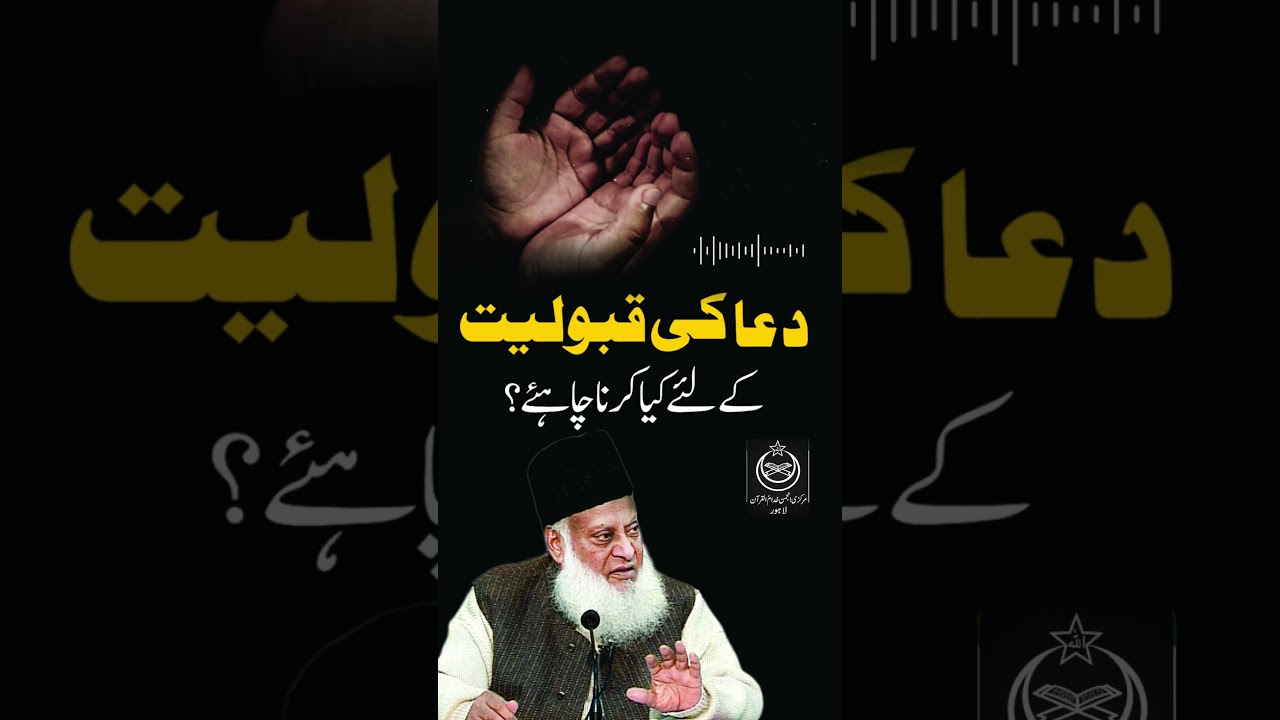
True acceptance of prayer hinges on sincerity and a faithful relationship with God. Dedicate time, resources, and abilities to the faith. Consistent good deeds and supplication are encouraged; there are no restrictions on making dua. Avoid bargaining with God or treating faith as a transaction. Focus on consistent righteousness and a genuine connection with the divine.
61
Dr. Israr Ahmad explains that contemporary Urdu utilizes easily understood vocabulary rooted in common usage. He points out that words like ‘Asr’ (era/time) and ‘Khassara’ (loss) are well-established in Urdu. The lecture emphasizes that even words with Arabic origins are integrated naturally into the language, demonstrated by terms like ‘Iman’ (faith) and ‘Wasi’at’ (breadth). The discussion highlights the seamless blend of Arabic and Urdu, making the language accessible and relatable.
60
This lecture explores the distinction between inherited faith and consciously accepted belief. The speaker argues many identify as Muslim due to birth rather than a personal, conscious decision and realization of faith. True Islam, it is asserted, requires *yaqeen* – a deep, experiential certainty – not merely adherence to dogma or inherited creed. This conviction, akin to the spiritual realization described by Allama Iqbal, is essential for meaningful practice and spiritual growth. Without this inner certainty, religious observance remains superficial.
59
The Prophet Muhammad (peace be upon him) was asked about the most virtuous form of migration. He responded that the most excellent migration is abandoning everything displeasing to God. This necessitates a personal assessment of one’s life and the eradication of actions contrary to the spirit of Islamic law. The lecture emphasizes immediate action, stating that the time for rectifying oneself is now, before it is too late. It's a call for sincere repentance and a commitment to living a life aligned with divine guidance.
236
