Şort

This lecture explores the profound connection between the call to prayer (azan) at birth and the funeral prayer (janaza) at death. It posits that life is an interval akin to the time between the azan and iqamat, and the subsequent prayer. The speaker draws parallels between these ritualistic acts, suggesting that birth and death are bookends to a temporary existence. The lecture highlights the transient nature of worldly life, framing it as a brief pause between two states of being, emphasizing the importance of reflection and spiritual awareness.

66
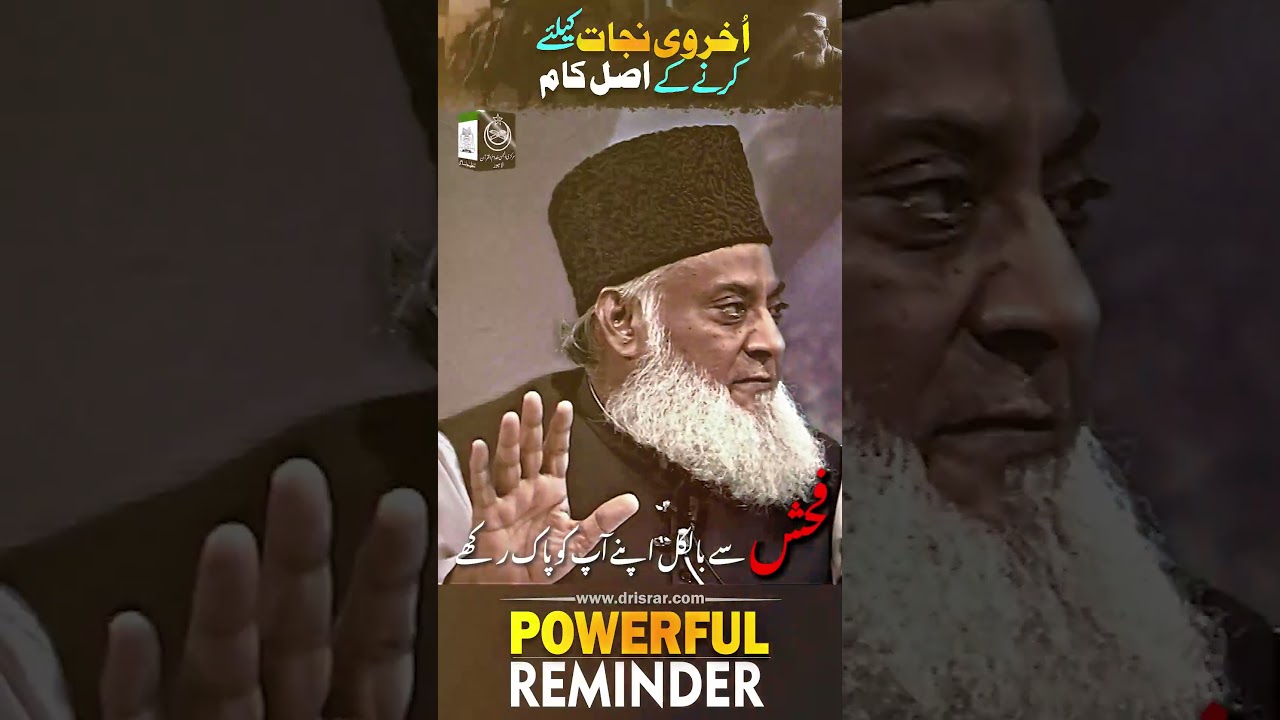
This lecture emphasizes prioritizing the afterlife while fulfilling worldly needs. It stresses reliance solely on Allah, avoidance of major sins, controlling anger, establishing a heart connection with Allah through prayer, seeking counsel, and dedicating wealth to the cause of Allah. The speaker advocates a balanced life focused on spiritual preparation and righteous action.
65
This lecture emphasizes the significance of fulfilling commitments within societal and Islamic frameworks. Agreements, whether formal contracts like employment or social contracts like marriage, establish mutual obligations and trust. The speaker highlights that upholding one's promise is a fundamental aspect of faith, as individuals will be held accountable by God for their commitments. Every agreement is witnessed by God, and failure to fulfill a promise is considered a serious matter. The lecture underscores that maintaining integrity and fulfilling promises is essential for a righteous life.
36
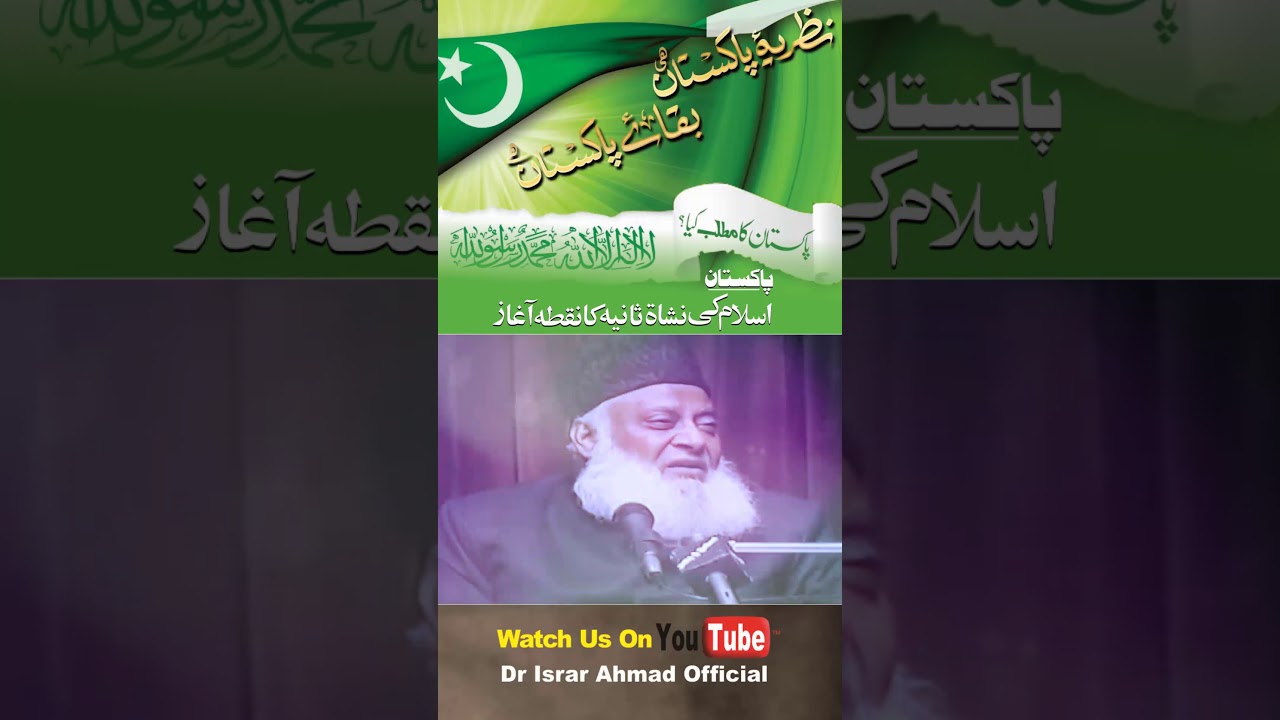
A recent gathering of Islamic movement leaders in London assessed global regions for the potential revival of Islam and the establishment of an Islamic system. The consensus identified Pakistan as the sole viable country for this purpose, possessing the inherent capabilities, resources, and challenges necessary for this undertaking. The lecture emphasizes Pakistan’s unique position and potential in the context of global Islamic resurgence.
239

This lecture clarifies that Allah accepts the repentance of those who commit errors due to ignorance or emotional impulse, provided they sincerely turn back to Him immediately. The verse from Surah An-Nisa emphasizes that Allah’s acceptance of repentance is guaranteed for those who act out of unawareness but promptly seek forgiveness. This highlights the boundless mercy of Allah and the importance of immediate repentance after a mistake.
58
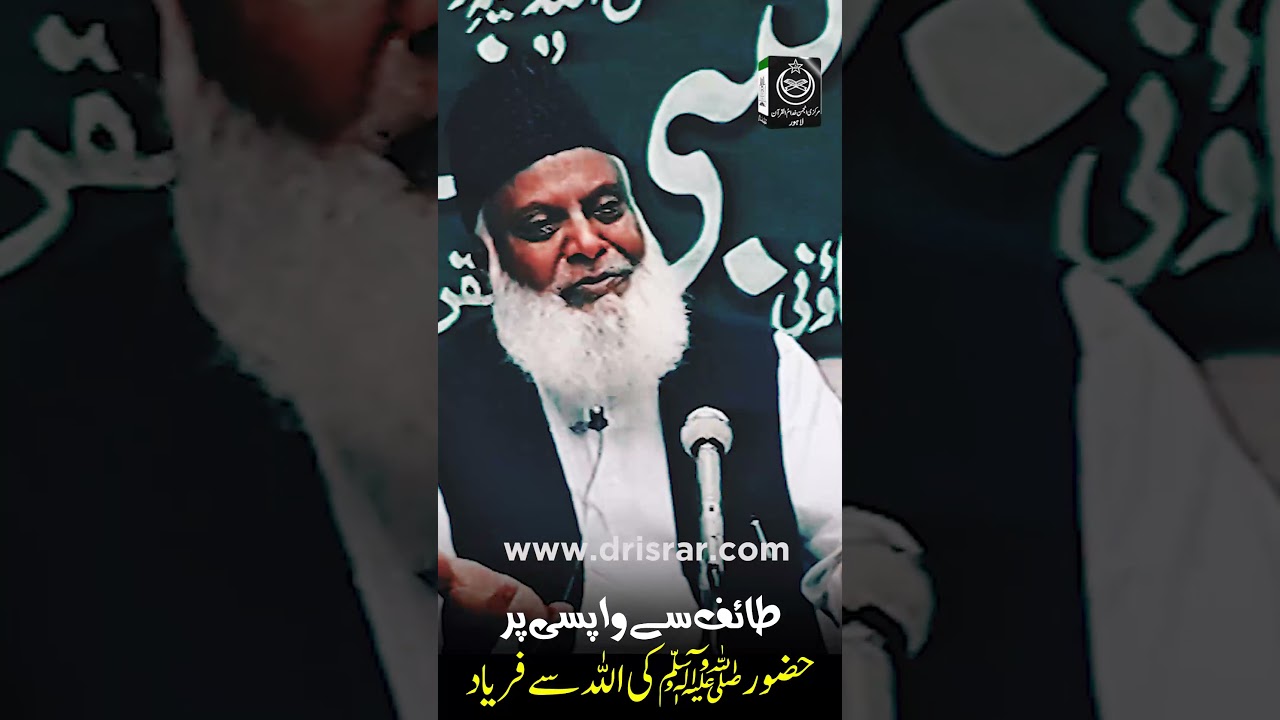
This lecture details a profound moment of supplication by the Prophet Muhammad (peace be upon him), expressing vulnerability and seeking divine assistance amidst adversity. The Prophet articulates his powerlessness, the humiliation faced, and the feeling of being abandoned to his enemies. He then humbly submits to God’s will, stating that he has no concern even if it means divine displeasure, as long as God’s decree is accepted. The lecture emphasizes complete surrender and trust in God's plan, even in the face of hardship and perceived injustice. It highlights the essence of *'ubudiyyat* (servitude) and accepting whatever comes from the Divine Source.
51
