السراويل القصيرة
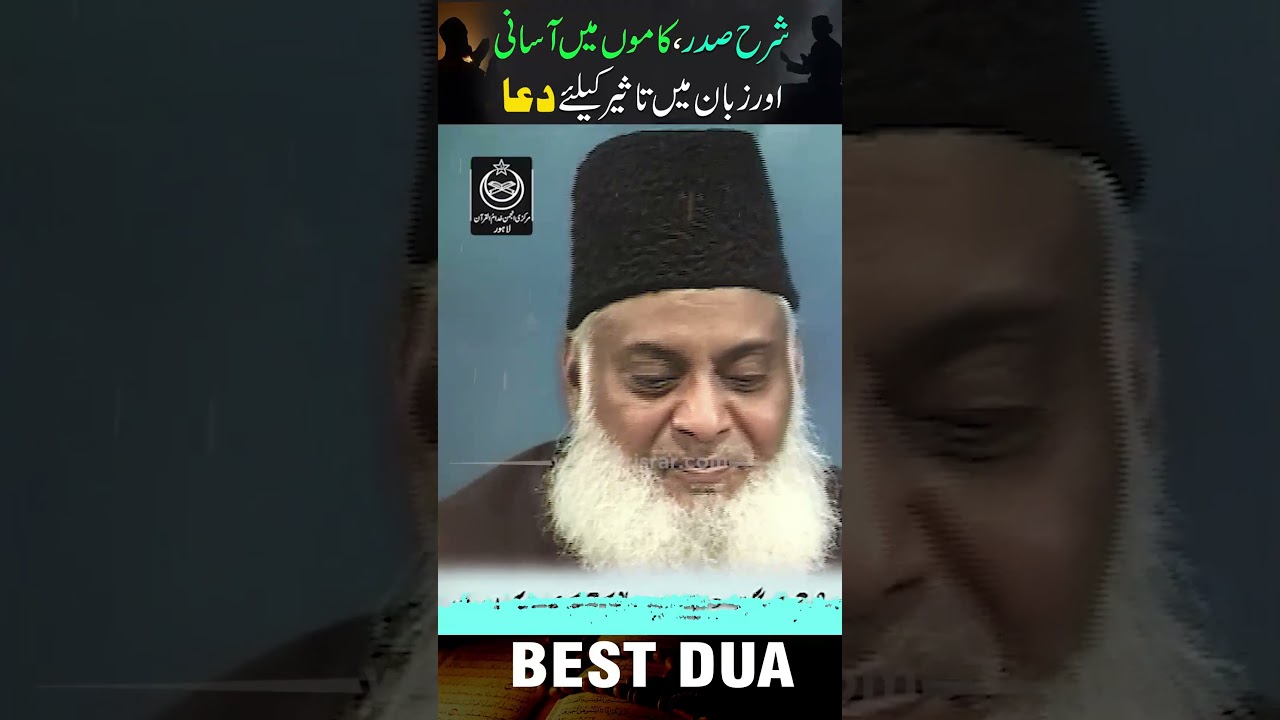
This supplication, recited by Prophet Moses (peace be upon him), seeks divine assistance in fulfilling the challenging task of delivering a message. It requests an expansion of the heart, facilitation of affairs, and removal of speech impediments. The prayer emphasizes the importance of clear communication to ensure the message is understood by all. This dua is essential for anyone involved in da’wah or conveying a message, as it addresses the core need for effective and understandable articulation.

38
Sheikh Abdul Qadir Jilani emphasized that true power and provision come solely from Allah. Nothing possesses inherent efficacy; fire cannot burn, water cannot drown, poison cannot kill, or anything benefit without Allah’s will. Reliance should be placed entirely on Allah, not on worldly means or intermediaries. The lecture stresses complete trust in Allah for all needs and outcomes.
47

Time is presented as a powerful, swift force that relentlessly diminishes life. The speaker emphasizes that age isn't increasing, but rather decreasing with each passing moment. A person’s lifespan is finite; preoccupation with frivolous activities wastes this precious resource. A truly mindful and devout individual understands time’s value and refrains from squandering it on trivial pursuits. The lecture stresses the importance of recognizing time’s fleeting nature and utilizing it for meaningful endeavors. It highlights that a decreasing lifespan necessitates a focus on purpose and avoiding wasteful activities.
41
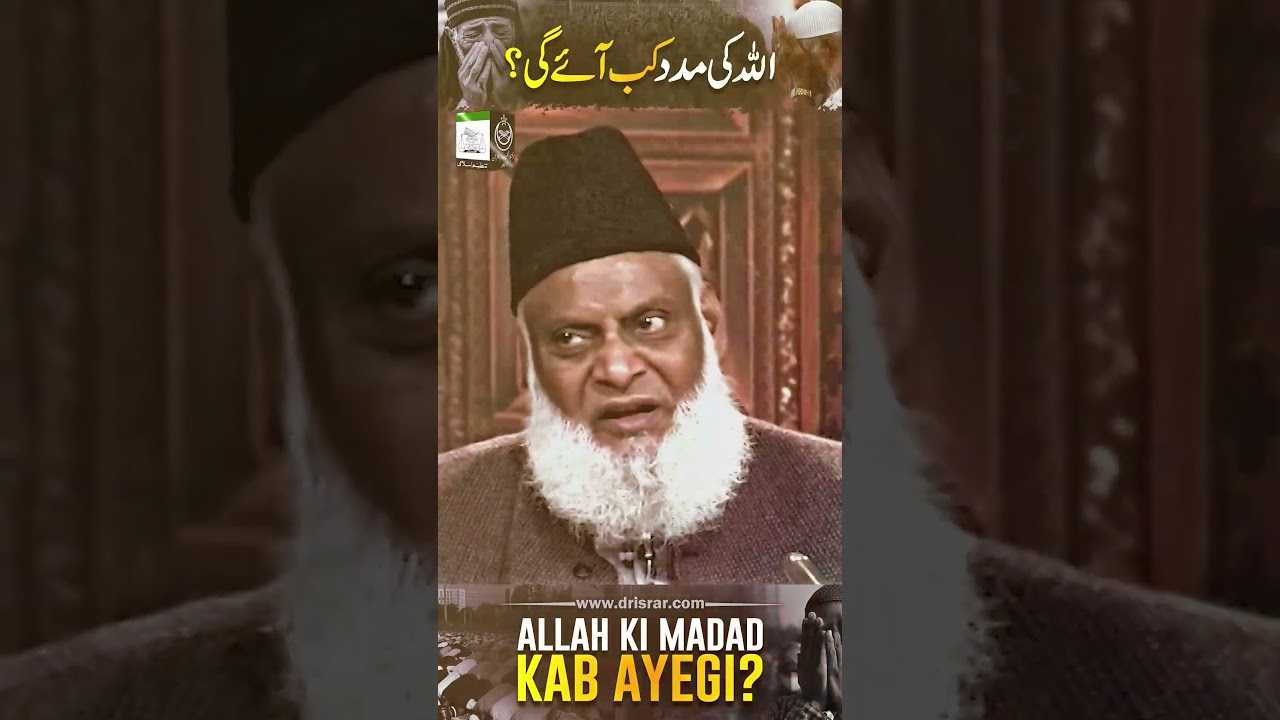
Companions of the Prophet Muhammad (peace be upon him) expressed their distress regarding increasing hardships. The Prophet (peace be upon him) reminded them that previous followers of Islam faced even greater trials, including being burned alive, buried alive, and dismembered. He emphasized the importance of patience and perseverance, stating that trials are a test from God and that relief will come in due time. He cautioned against impatience and assured them that enduring hardship is a characteristic of true believers.
70
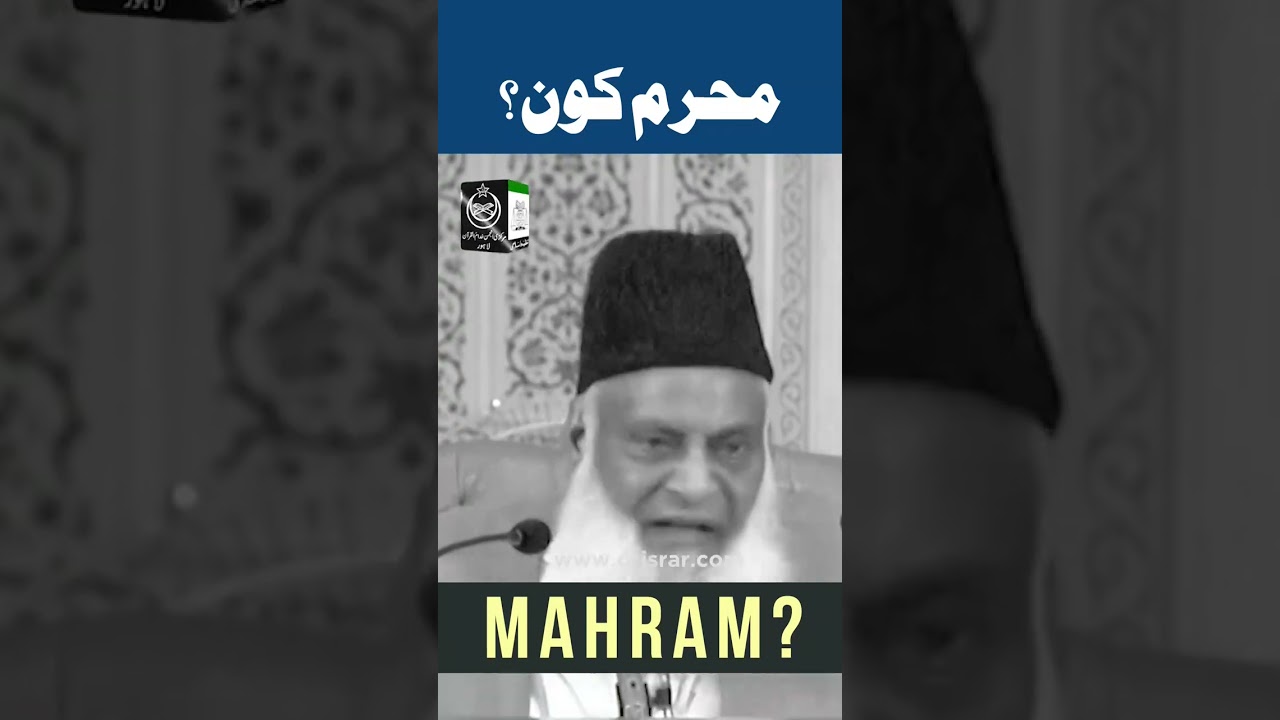
This lecture clarifies the Islamic concept of *mahram* (permanently unmarriageable relatives). It explains that a *mahram* is someone with whom marriage is absolutely prohibited in any circumstance. The discussion details that a sister’s sister is a *mahram*, but if a wife passes away, marriage to her sister becomes permissible. Similarly, a brother’s wife (*bhabi*) is a *mahram*, but marriage is allowed after the brother's death. The core point is establishing who constitutes a permanent, unmarriageable relation versus a temporary one.
57
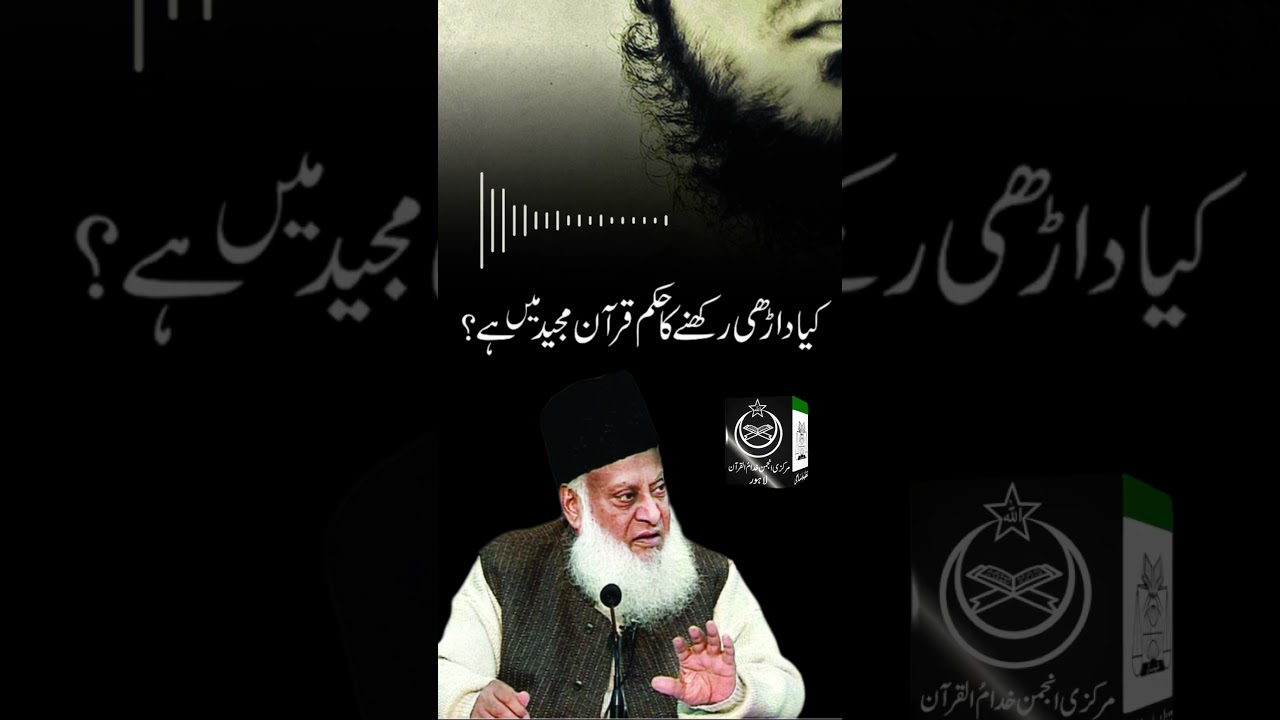
The Quran does not contain a direct command regarding beards. However, the Quran mentions the beard of Pharaoh, which Moses grasped. The practice of maintaining a beard is considered a tradition (Sunnah) of all prophets, and strongly emphasized by the Prophet Muhammad. While not a mandatory obligation (fard) in the Quran, it is a confirmed Sunnah (Sunnat-e-Muakkadah) and, according to some scholars, approaches the level of a religious obligation (wajib). Following this confirmed Sunnah is recommended, though not considered a mandatory religious duty.
62
