Pantalones cortos

The Prophet Muhammad (peace be upon him) defined religion as sincere advice and goodwill. He emphasized that this goodwill should be extended to God, the Quran, the Prophet himself, the leaders of the Muslim community, and the general populace. This includes offering sound counsel and preventing wrongdoing. The Prophet also stressed the importance of helping others, even those who are wrongdoers. He clarified that assisting a wrongdoer does not mean supporting their injustice, but rather restraining them from their harmful actions. This act of preventing injustice is itself a form of assistance. It is an act of *enjoining good and forbidding evil*.

55

Faith is not merely belief; it is a radiant force, akin to the brilliance of the sun. True faith manifests through righteous action, blossoming into ethical conduct, unwavering trust in God, contentment with divine decree, obedience to God, following the Prophet’s example, and consistent goodness. It is the inner light that guides one’s life and shapes one’s character. This lecture explores the comprehensive nature of faith, emphasizing its practical implications and transformative power.
55

Dr. Israr Ahmad explains that the greatest form of *jihad* is the struggle against one’s own base desires (*jihad e nafs*), achieved by dedicating oneself to God. This internal struggle protects against worldly temptations that constantly demand attention and resources. He contrasts this with physical *jihad* – fighting in the path of God – which, while important, is considered a lesser form of struggle. The constant internal demands of the *nafs* are portrayed as a relentless pursuit of material possessions and immediate gratification. Overcoming these internal pressures constitutes the superior *jihad*.
47
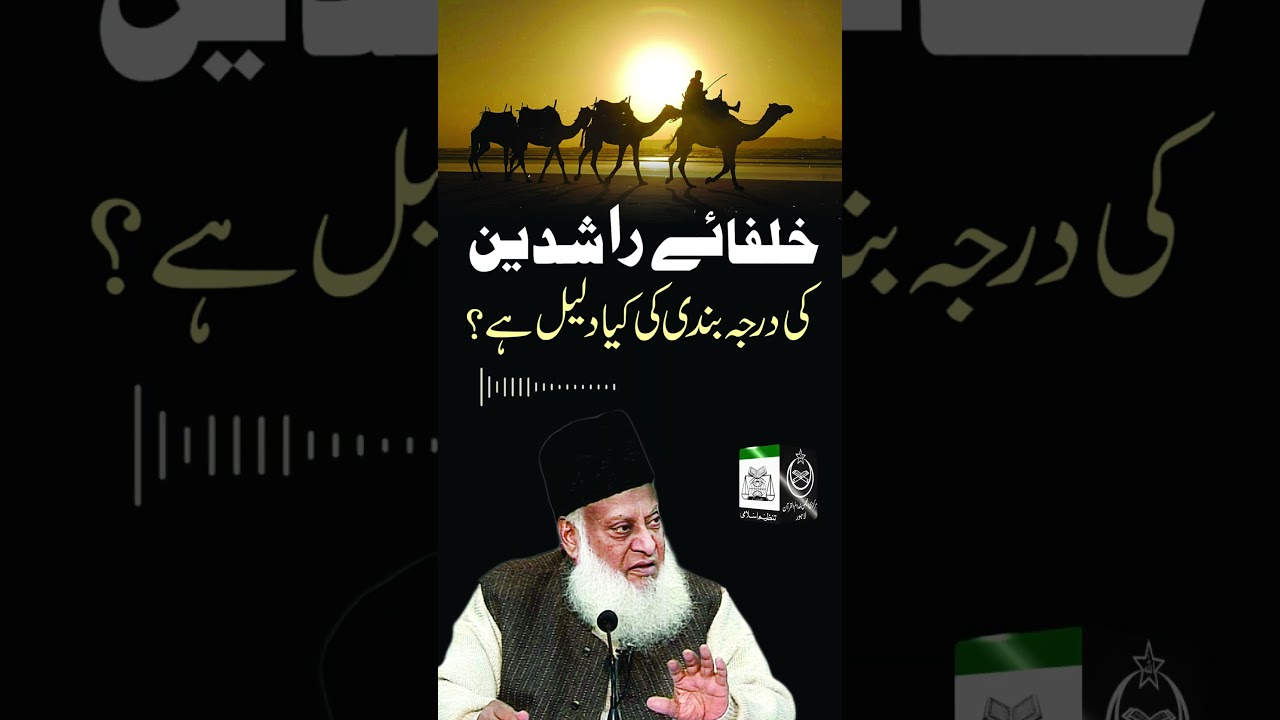
This lecture explains the Sunni perspective on the ranking of the Sahaba, particularly the Rashidun Caliphs. The ranking is based on the consensus of the Sahaba themselves, as demonstrated by their selection of Abu Bakr, then Umar, then Uthman, and finally Ali as Caliphs. Each selection implies the chosen individual was considered the most suitable at that time. This system of ranking, known as *tartib al-khilafa*, is detailed in the writings of Hazrat Mujaddid Alf Sani. The lecture then briefly references the remaining six members of the Ashara Mubashara.
39

Dr. Israr Ahmad analyzes the Tablighi Jamaat's methodology, asserting its primary appeal is emotional rather than intellectual. He explains how the movement quickly attracts individuals through emotional connection, then immerses them in a new environment for varying periods – three days, four months, or longer – to cultivate a specific mindset and temperament. He emphasizes the airtight logic within their methodology, designed to instill positive intentions and commitments, even if fleeting. The speaker highlights their persuasive tactic of encouraging pledges and intentions, creating a sense of obligation. He notes the group’s effectiveness in securing initial commitments, even if they are not long-lasting.
70

Human life is defined by struggle and hardship, as ordained by creation. Individuals face varying degrees of mental and physical exertion, with disparities in access to basic necessities like food. This often leads to health issues and anxieties about the future. The cycle of life, bound by limitations and sorrow, prompts the question of finding liberation from suffering before death. This universal human condition highlights the inherent challenges and search for meaning within existence.
53
