Kurze Hose

This lecture explores the spiritual state of having one’s heart opened by God for Islam, contrasting it with the darkness of spiritual hardness. It highlights that divine guidance illuminates the heart, providing inner understanding and a connection with God. Those who reject this guidance and whose hearts become hardened against remembrance of God face destruction and are clearly astray. The lecture emphasizes that a receptive heart is essential for faith and spiritual growth, while a hardened heart leads to misguidance and ultimate loss.

87
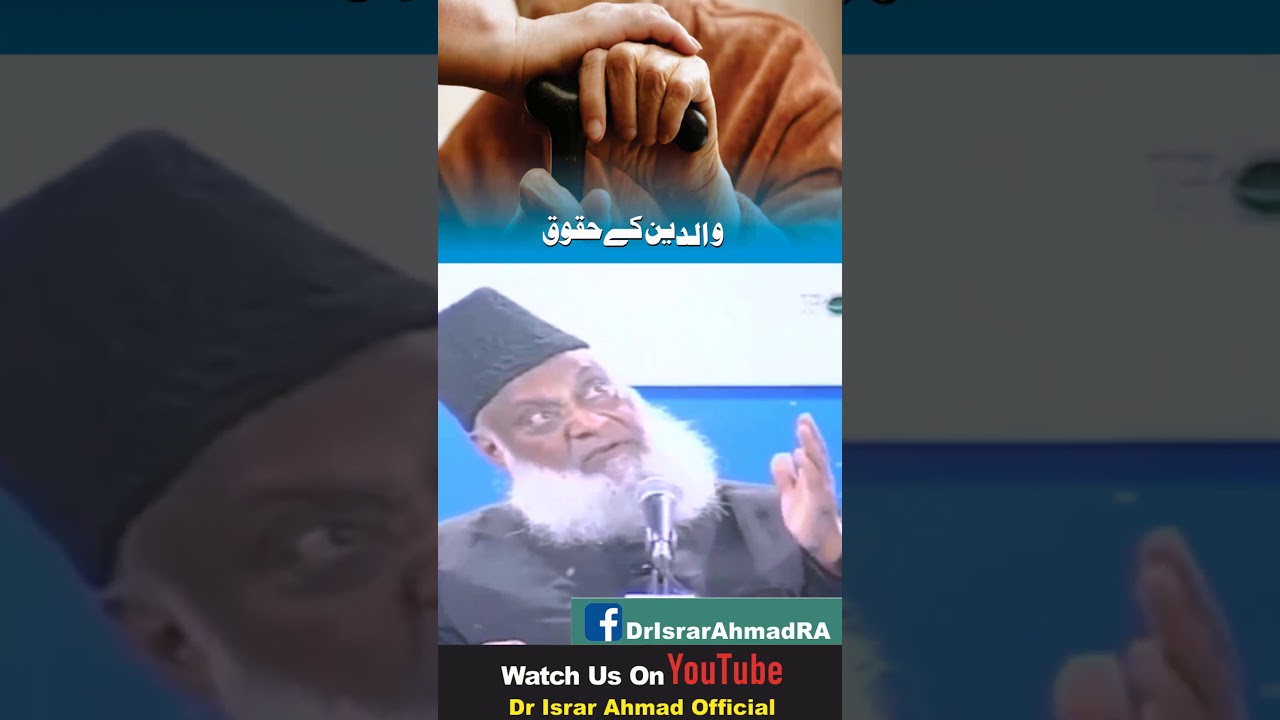
The greatest act of gratitude is towards one’s parents, a concept emphasized five times in the Quran. Simply *looking* at the Kaaba with reverence is considered an act of worship. Similarly, looking at one’s parents with love and respect is also an act of worship. This act of reverence, even without verbal interaction, holds significant spiritual reward. The Quran highlights the immense importance of honoring and showing affection to parents.
76

This lecture clarifies that humanity’s fundamental need is not material wealth or political power, but divine guidance. Humans are inherently equipped with the capacity to discern between right and wrong, good and evil, through the innate knowledge instilled within their souls. While individuals possess the ability to self-assess and find answers within their own hearts, external factors like forgetfulness, personal desires, and spiritual rust can obscure this innate knowledge. This lecture emphasizes the importance of seeking and maintaining a connection with this inner guidance.
52
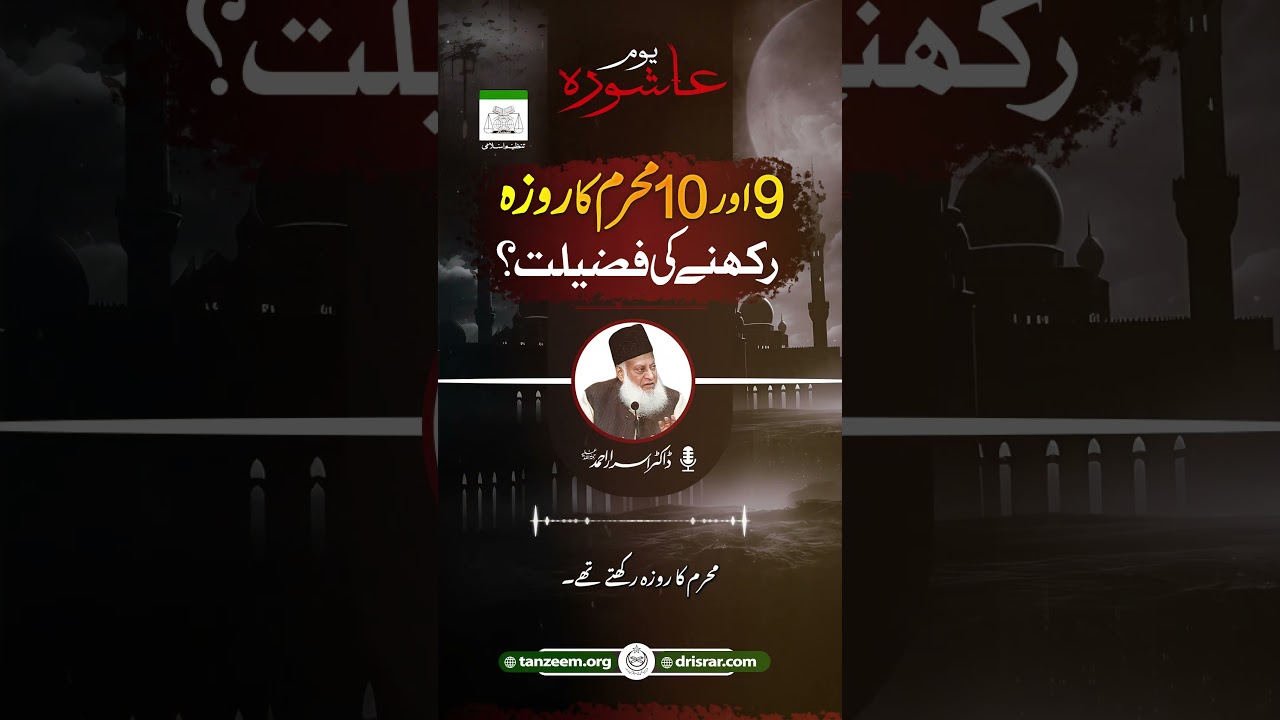
The observance of fasting on the 9th and 10th of Muharram is a recommended practice. It originated from the Prophet Muhammad’s desire to distinguish the Muslims from the Jewish community of Medina, who fasted on the 10th of Muharram commemorating their liberation from Pharaoh. The Prophet, acknowledging a stronger connection to Moses, instructed his companions to fast for two days – the 9th and 10th – instead of one. While not obligatory, this practice holds significance as a voluntary act of worship and a demonstration of the Muslim community's unique identity.
62
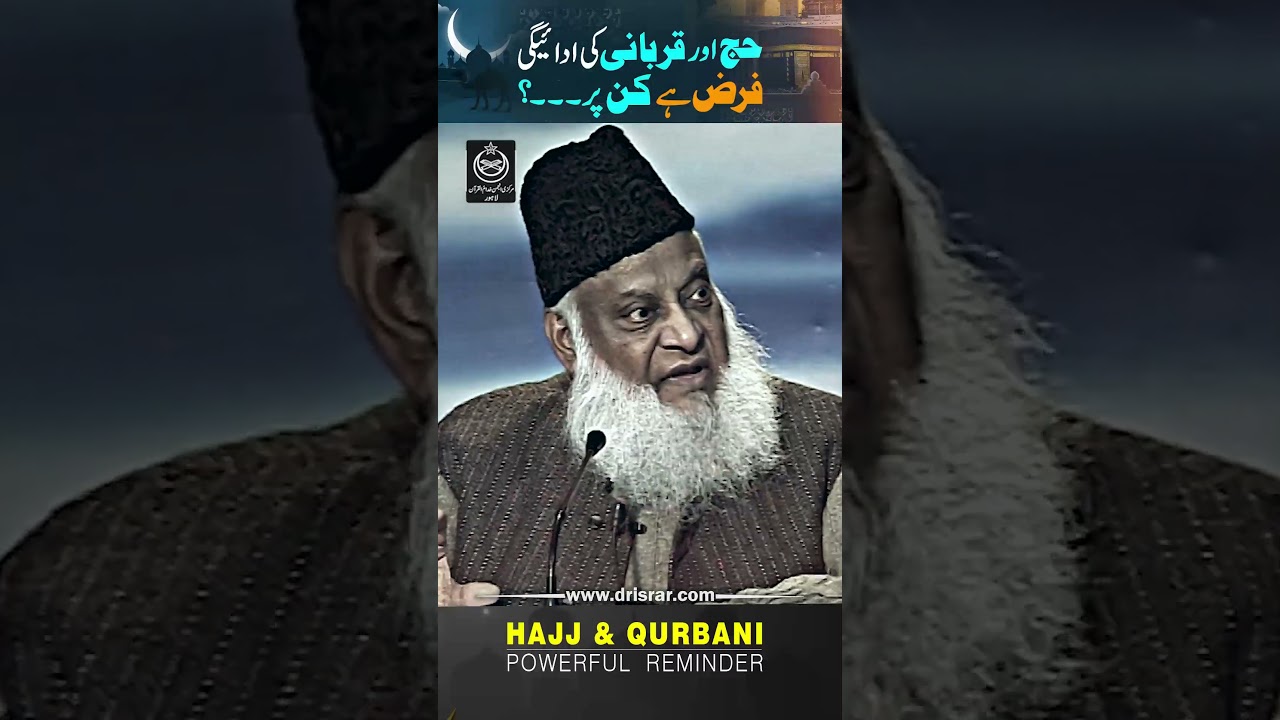
This lecture clarifies the obligation of Hajj for those who possess the means. It explains that Hajj is a debt owed to God, becoming obligatory when one has the physical and financial capacity to perform it, including provisions for travel, accommodation, and sustenance. Delaying Hajj after fulfilling these conditions constitutes a significant sin. The discussion emphasizes fulfilling the rituals and offering sacrifice as integral parts of the pilgrimage.
60
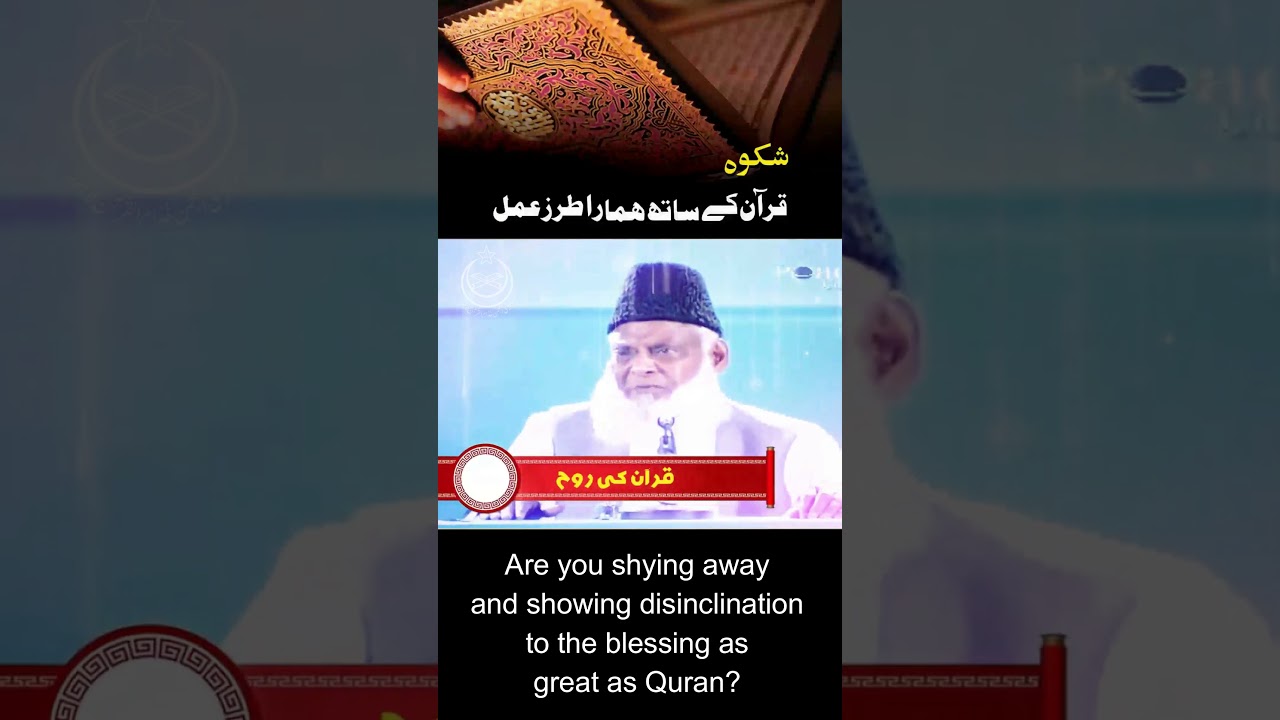
This lecture emphasizes that genuine access to the essence of the Quran is only possible through self-purification. The speaker highlights a lament about humanity’s disregard for this immense blessing – neglecting to read, understand, implement, or make the Quran a guiding principle in life. Instead, many actively reject it, shaping their own unfortunate destiny through denial. The core message is a call to prioritize internal purification to unlock the true meaning and benefits of divine revelation.
123
