Shorts

Dr. Israr Ahmad explains that a lack of compassion and empathy leads to a deprivation of future blessings. True spirituality isn't solely defined by worship or asceticism, but by genuine concern for others' suffering. A shared experience of pain—empathy—connects individuals. Those who witness the pain of others but fail to offer assistance, despite having the capacity to do so, forfeit divine favor. The lecture stresses the importance of mutual support and shared sorrow within a community.

70
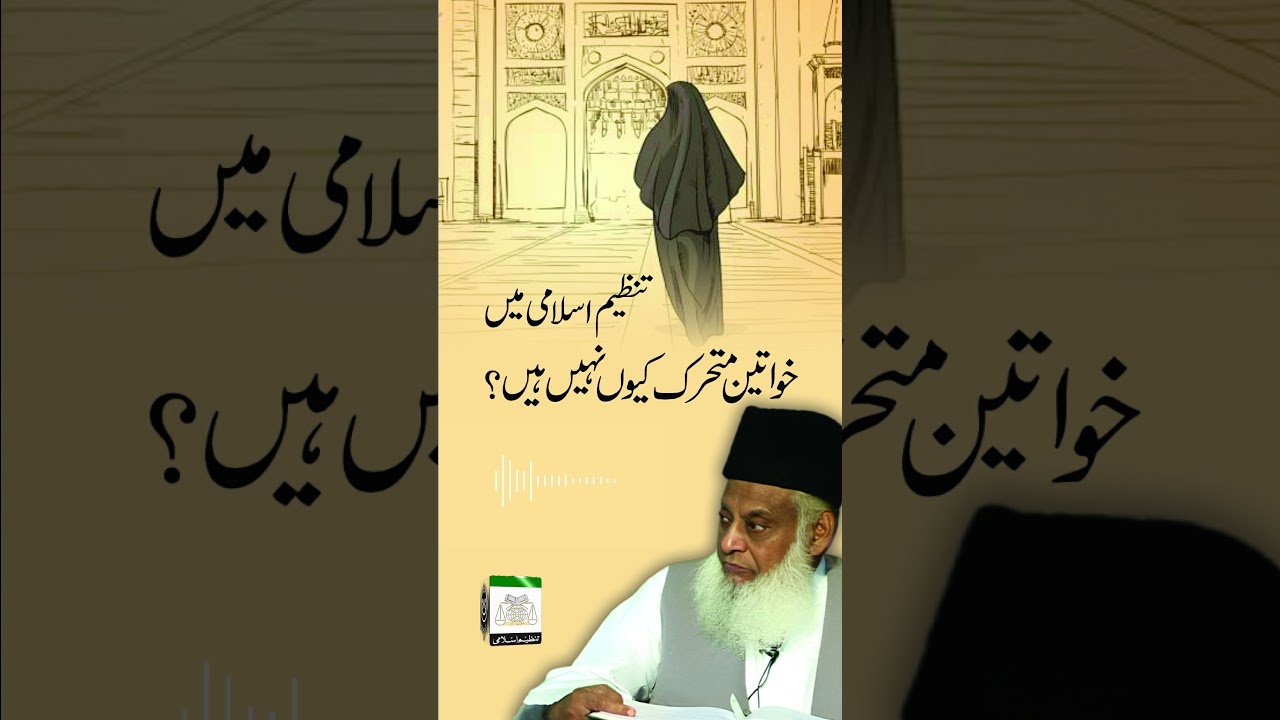
This lecture discusses the societal expectations placed upon women, particularly within a traditional framework. It highlights the prioritization of domestic responsibilities and the perceived conflict between these duties and external activities like preaching or political canvassing. The speaker emphasizes that a woman’s primary sphere of influence is her home, and while participation in other areas isn’t forbidden, it should not come at the expense of her familial obligations. The lecture addresses the potential for conflict when societal expectations clash with a woman's desire to engage in public life and suggests a balanced approach is necessary. It suggests that societal structures will naturally slow the pace of external activities for women prioritizing their homes.
96

Human beings are inherently predisposed to recognizing Allah. The knowledge and love of Allah reside within the soul, obscured by layers of neglect. Individuals fail to delve into the depths of their own hearts to rediscover this innate connection. This lecture explores the inherent human capacity for divine recognition and the importance of introspective spiritual inquiry. It emphasizes that recognizing Allah is not an acquired skill, but a natural inclination veiled by worldly distractions. The core message is a call to self-reflection and a return to the inherent spiritual awareness within each individual.
140

This lecture emphasizes adhering to the traditional Islamic method of marriage ceremonies, rooted in the practices of the Prophet Muhammad and his companions. It warns against incorporating innovations or customs not supported by authentic Islamic sources. The speaker stresses the importance of simplicity and rejecting practices that deviate from the established Sunnah, advocating for a return to the original, pure form of the marriage contract and celebration. Any social work related to marriage should align with these principles.
272
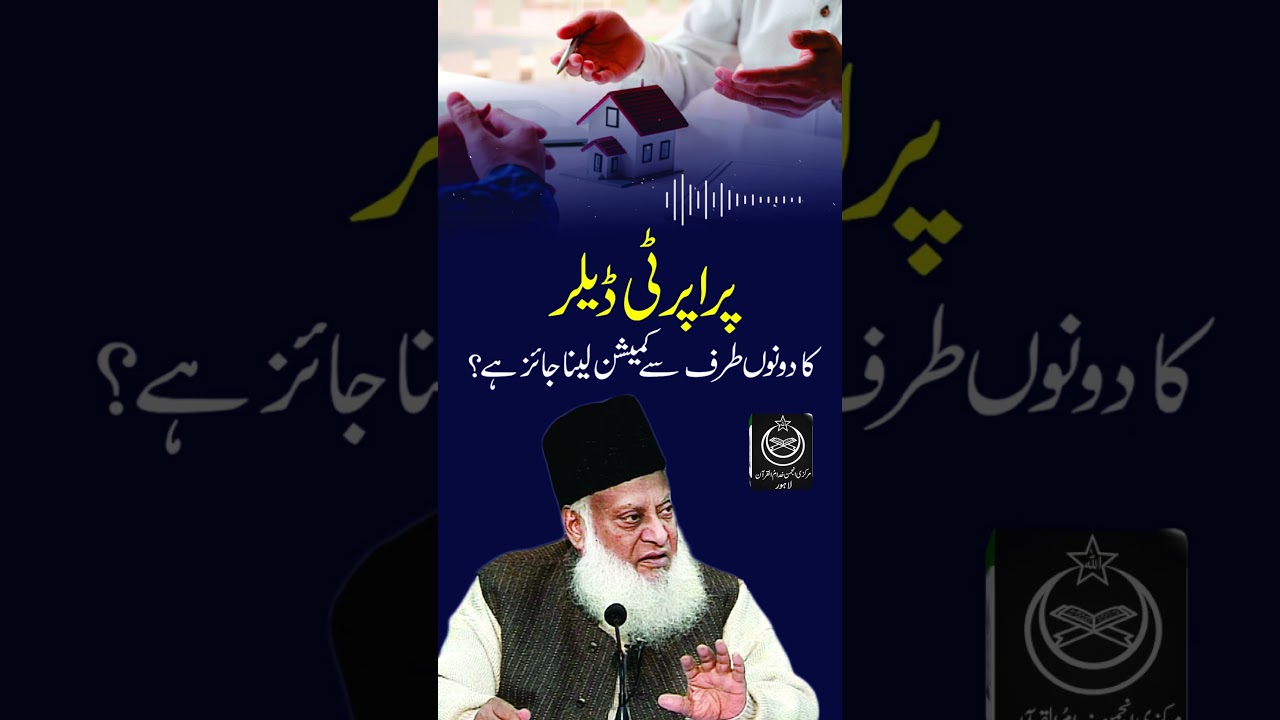
Dr. Israr Ahmad discusses the Islamic ruling on property dealers charging fees from both the buyer and seller, or from both landlord and tenant. He asserts that taking fees from both sides is *haram* (forbidden). The dealer should only take a commission from one party to incentivize securing the best possible deal for that client, whether a lower rental price or a better sale price. This approach ensures fairness and ethical conduct in property transactions.
79

Hares Ahshari reports that the Messenger of Allah commanded Muslims to adhere to five principles: maintaining unity and cohesion within the community, obedience to leadership, migration for the sake of faith, and striving in the path of God. This directive, relayed by the Prophet, is not of his own volition but a direct command from God. These principles are essential for the strength and progress of the Muslim community, ensuring collective action and spiritual advancement. The report emphasizes that these are divine instructions, communicated through the Prophet, and should be followed diligently.
54
