Pantalones cortos

Imam Ahmad ibn Hanbal narrates a tradition from Maqdad ibn al-Aswad, a companion of the Prophet Muhammad (peace be upon him). During a consultation before the Battle of Badr, Maqdad declared that they were not like the companions of Moses who hesitated to fight, but were followers of Muhammad, ready to obey his command. The Prophet (peace be upon him) then proclaimed a significant prophecy: no dwelling, whether built of brick or tents, will remain where Islam does not enter, either with the honor of acceptance or the disgrace of rejection. This signifies Islam’s inevitable global spread and triumph.

43
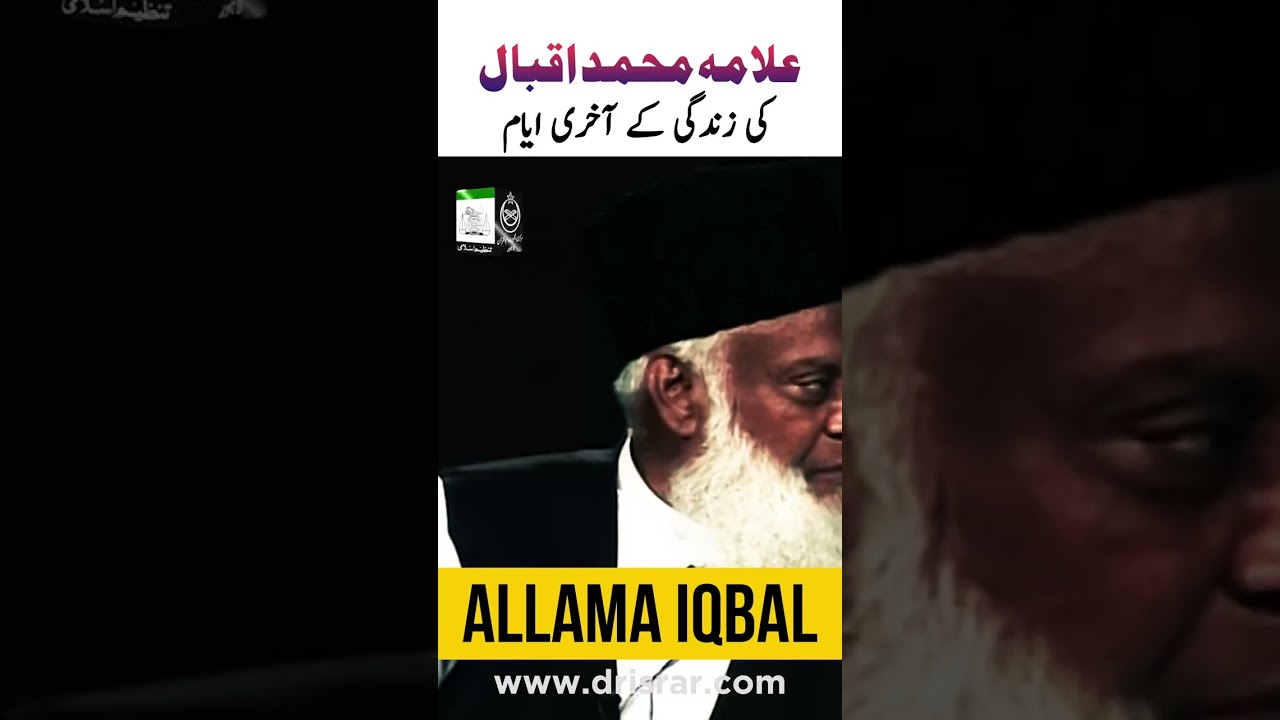
In his final days, Allama Iqbal expressed deep concern about the continuation of his mission after his passing. He feared a lack of capable successors to carry forward his work, drawing a parallel to the anxiety of Prophet Zakariya when he prayed for a son in old age. Iqbal worried about the potential inability of his relatives and those around him to follow the righteous path he advocated. He implored God for a devoted successor, mirroring Zakariya’s plea. This lecture explores these anxieties, referencing Iqbal’s famous verses, ‘Sarod-e-Raftbaz,’ ‘Nayeem-e-Az-Hijaz,’ and ‘Sar-e-Rozgar-e-In Faqir-e-Dagar Dana-e-Rah.’
63

This lecture discusses an incident from the life of the Prophet Muhammad (peace be upon him) involving a traveler who entered a mosque without securing his mount. The Prophet questioned him about it, and the man explained he was relying on God. The Prophet corrected him, stating that true reliance on God does not mean neglecting practical precautions. He emphasized that reliance on God, or *tawakkul*, is not abandoning effort or means, but acknowledging that all outcomes ultimately depend on God’s will and permission. True *tawakkul* involves making an effort and then trusting in God's plan. The lecture underscores the importance of balancing effort with faith and understanding that means are essential, but God's decree is ultimate.
80
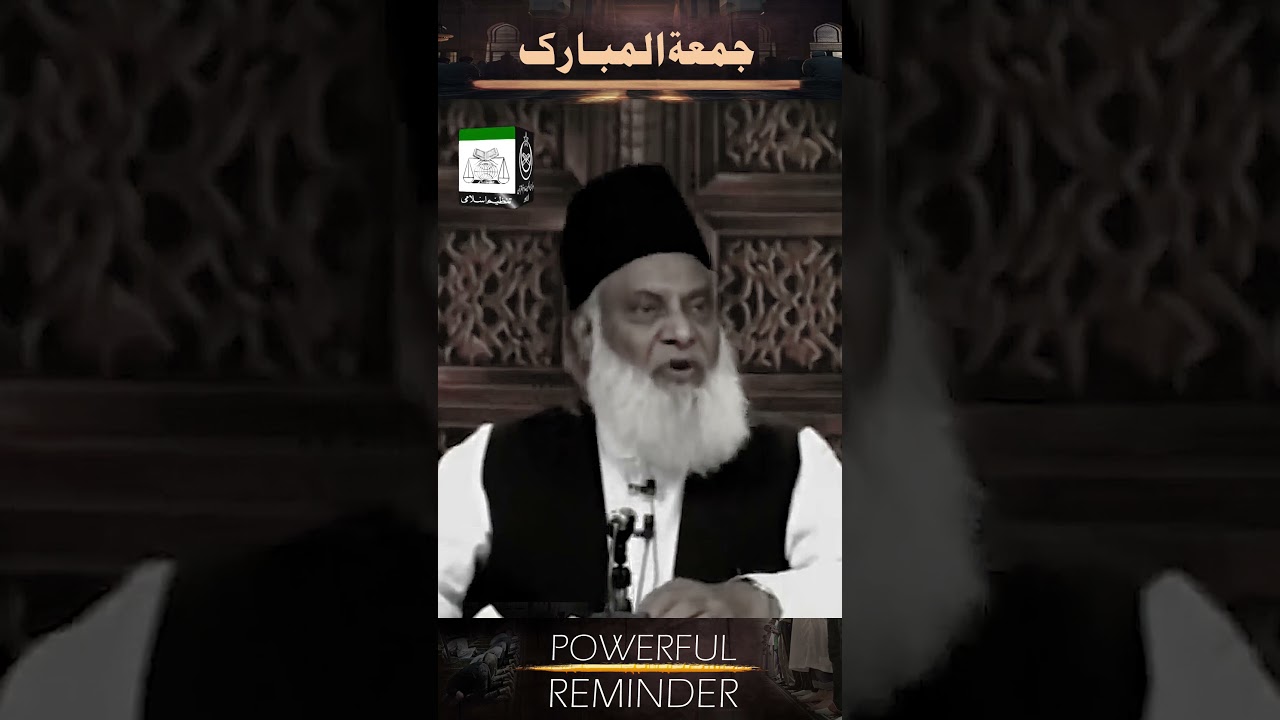
The entirety of the Prophet Muhammad’s life and revolution revolves around the Quran. All systems of invitation, training, and spiritual purification are centered on its teachings. To ensure the continued dissemination of this knowledge within an Islamic state or system, a consistent educational practice is vital. The Friday congregation (Jumah) is proposed as a weekly system for continuous learning and revival of Quranic teachings within the community.
36

This lecture discusses the proper method of fasting, emphasizing avoiding unnecessary delay in breaking the fast (iftar) after sunset. It discourages rushing the pre-dawn meal (sehri) and highlights the importance of adhering to established timings. The speaker cautions against self-imposed restrictions and anxieties regarding fasting, urging a balanced approach rooted in piety. The discussion also touches upon the permissibility of eating or drinking during the call to prayer (azaan) before dawn.
115

This lecture explores the perspective of M.N. Roy, a prominent communist revolutionary, on the historical significance of Islam. Roy, a key figure in the Comintern, recognized the revolution initiated by Muhammad as one of the greatest in human history. He detailed this view in his book, *The Historical Role of Islam*, acknowledging its profound impact on global events. Dr. Israr Ahmad analyzes Roy’s analysis and provides insightful commentary on the topic.
66
