Pantalones cortos
This lecture explains that Allah hears and responds to every sincere call and prayer, regardless of location or circumstance. It clarifies that proximity to sacred places like the Haram or Arafat doesn't create a greater connection with Allah; He is always near. The speaker refutes the notion that one cannot directly communicate with Allah, emphasizing that such beliefs stem from polytheistic ideologies. Allah is ever-present and accessible to those who turn to Him sincerely. The lecture stresses that Allah is not distant but close to those who call upon Him and that true connection comes through sincerity, not location.

56
Shirk, or associating partners with God, manifests differently across eras. The forms of shirk prevalent centuries ago are not necessarily identical to those of today. New forms of shirk emerge, requiring continuous discernment and intellectual insight. Without this insight, individuals may mistakenly label practices as shirk based on historical rulings, while failing to recognize contemporary expressions of shirk. The ability to identify and reject the shirk of one’s own time is crucial, as demonstrated by scholars like Ibn Taymiyyah, but recognizing *current* forms of shirk demands ongoing vigilance.
47
On the Day of Judgement, disbelievers will lament their past actions, begging for a second chance to worship and obey God, promising to abstain from evil. They will be reminded of how they mocked the early believers – the poor, slaves, and needy – who were steadfast in their faith. God declares He has rewarded their patience today, affirming they are the true victors and will enter Paradise. This highlights the ultimate triumph of faith over worldly status and the importance of perseverance in the face of adversity.
45
Life is a continuous progression towards death, with each heartbeat bringing us closer to our graves. The value of time is paramount, and the heart should be refined and improved with every passing moment. This lecture emphasizes the importance of recognizing life’s fleeting nature and striving for spiritual betterment. It underscores that improving oneself – refining the heart – is the most valuable use of the time we are given, as time itself is constantly moving towards its inevitable conclusion. Each beat of the heart is a reminder of our mortality and an opportunity for self-improvement.
40
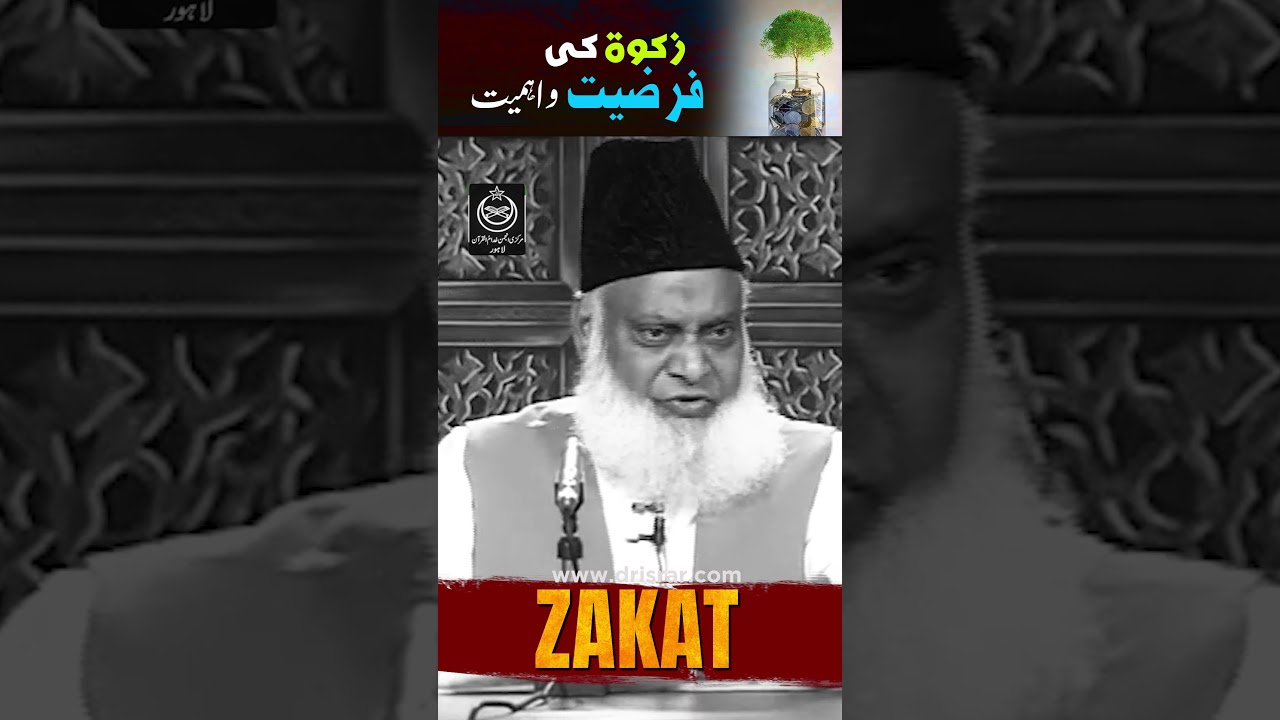
Zakat, a foundational pillar of Islam, is presented as more than just charity. It’s the initial expression of one’s ability to spend in the way of God, enabling fulfillment of others’ needs. Like a sealed bottle preventing any outflow, hoarding wealth stifles spiritual growth. Zakat unlocks this blockage, even in the most miserly, prompting generosity through obedience to divine command. This act of giving, even if singular, establishes a basis for diminishing the love of wealth within the heart, paving the way for increased compassion and giving.
60
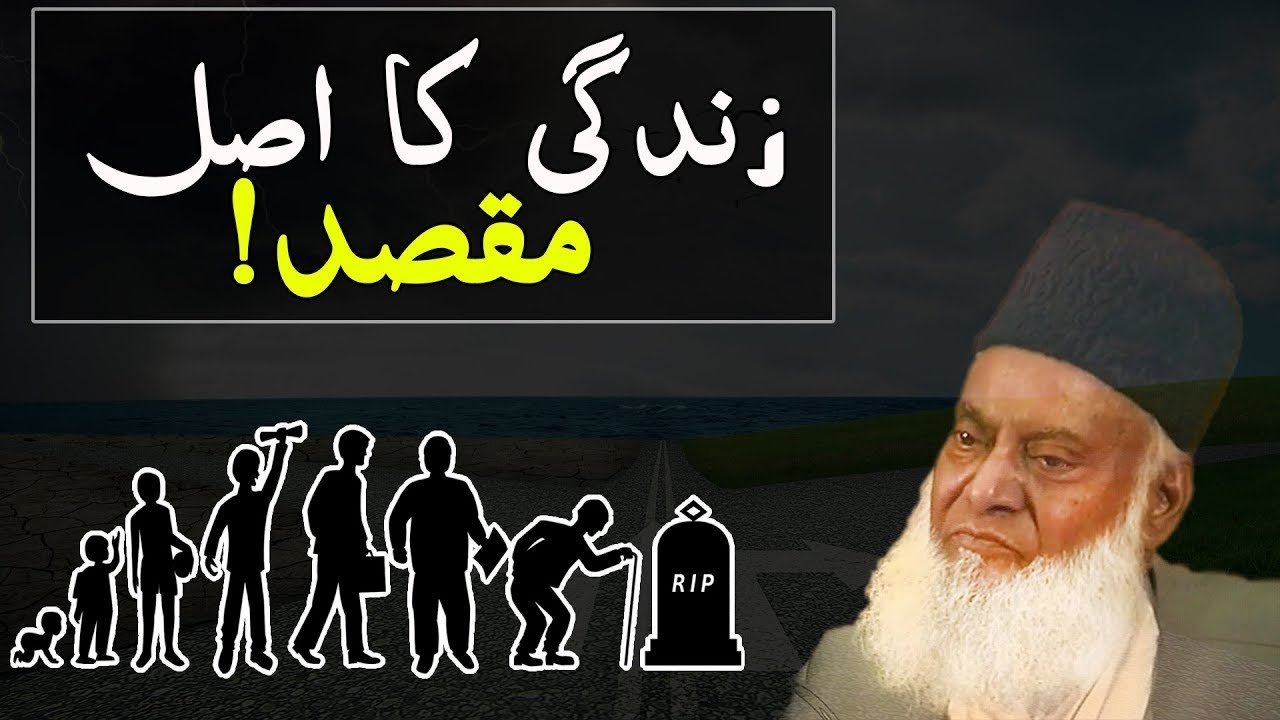
The speaker discusses the sacrifices people make for misguided ideologies, contrasting them with the dedication needed from capable individuals to strengthen religious work. He highlights the importance of educated and well-off youth devoting themselves to faith, questioning how progress can be achieved without their contribution. The lecture emphasizes that dedication to religion shouldn’t be a last resort for those lacking other opportunities, but a conscious choice made by those with the means and ability to contribute meaningfully.
60
