Shorts

This lecture addresses why prayers often go unanswered. It asserts that simply performing religious rituals like Hajj and reciting the Quran are insufficient. True connection with God requires practical implementation of divine teachings in one’s life and community. The speaker emphasizes establishing faith within oneself, in one’s home, and then uniting with others in a covenant to uphold those principles. This involves a commitment to living by the entirety of revealed scripture, encompassing both Quran and Hadith, and acting upon its guidance.

55
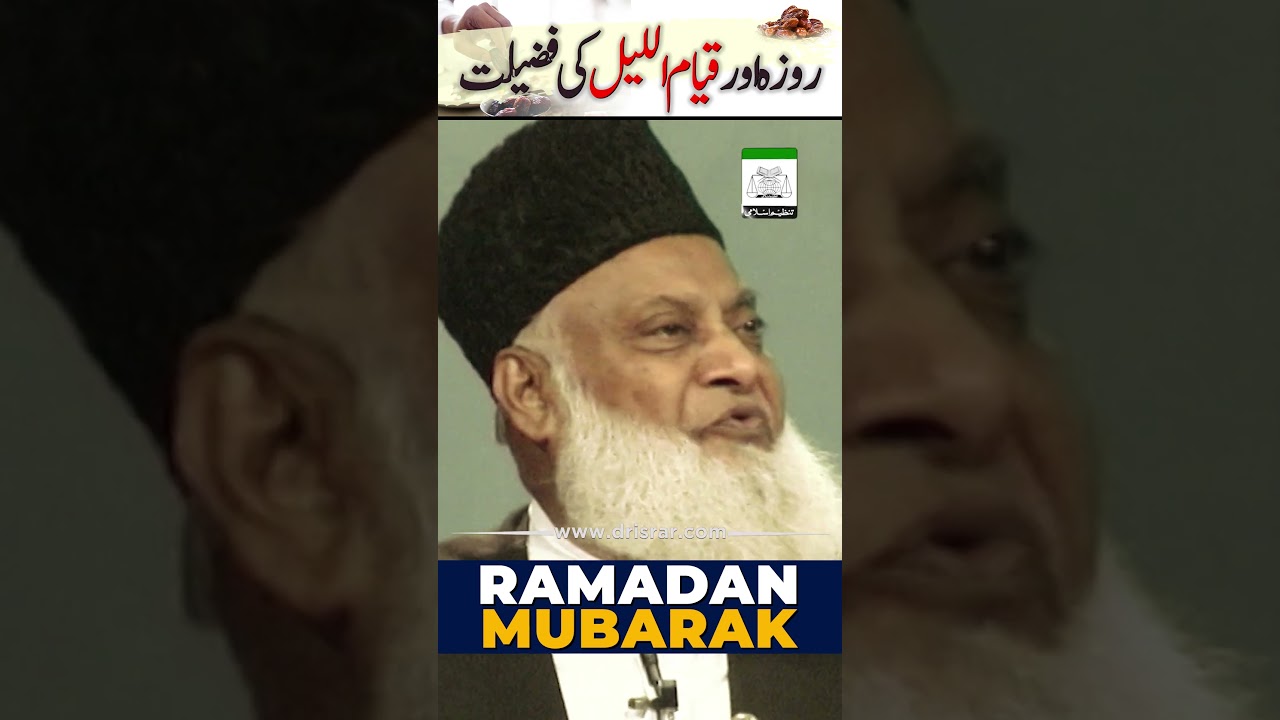
This lecture discusses the two central acts of worship in Ramadan: fasting during the day and standing in prayer (Tahajjud) at night. Fasting is obligatory, while Tahajjud, although highly encouraged and rewarded, is not compulsory. The speaker explains that while the Prophet Muhammad (peace be upon him) observed Tahajjud as a regular practice akin to an obligation, it remains optional for the general Muslim population. Those who perform Tahajjud will receive a high status with Allah. The emphasis is on voluntary devotion and the blessings within Ramadan’s nights.
61

The Prophet Muhammad (peace be upon him) clarified that true bankruptcy isn't financial poverty, but a deficiency in fulfilling rights owed to others. A person may perform numerous prayers, fasts, and pilgrimages, yet be considered bankrupt if they have wronged others through theft, slander, or abuse. On the Day of Judgment, the wronged will claim compensation from the wrongdoer's good deeds. If those deeds are exhausted, the wrongdoer will bear the burden of the wronged’s sins, ultimately facing punishment in Hell. This highlights the importance of justice and accountability.
27
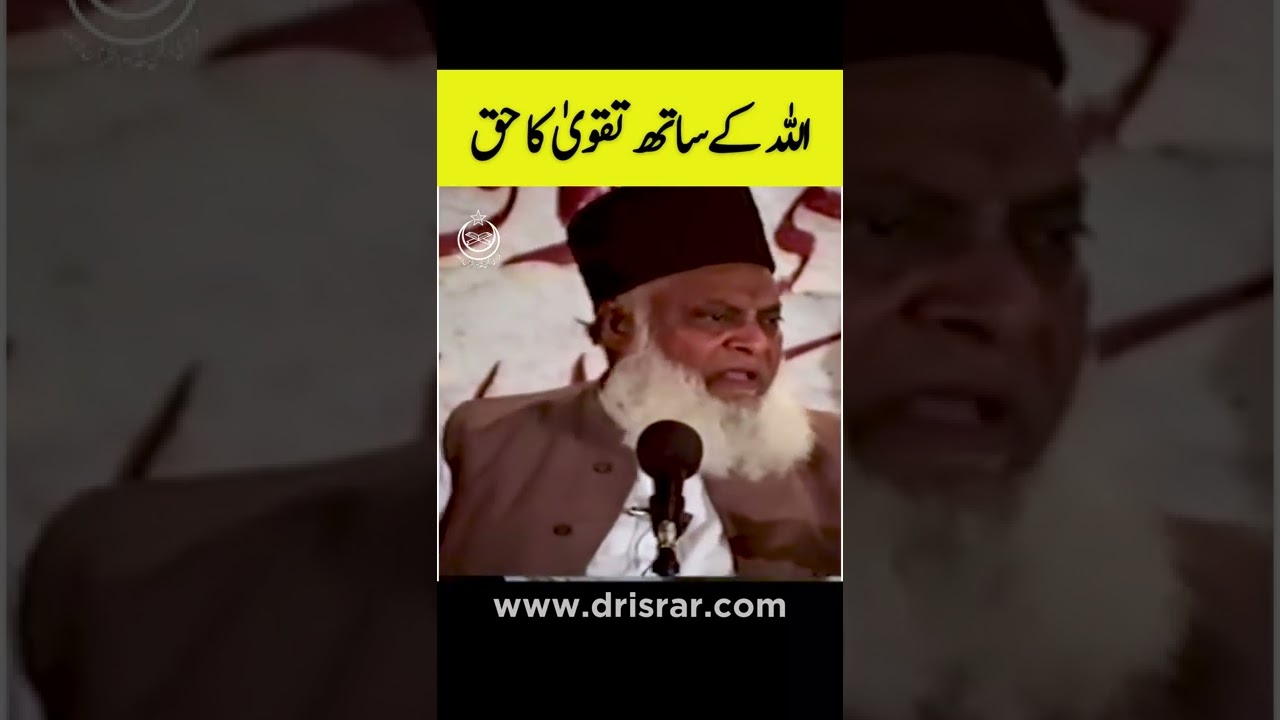
This lecture emphasizes the importance of fulfilling one’s duty to God by acknowledging and appreciating His countless blessings. It highlights how humans often remain unaware of the divine provisions sustaining them, using the example of vitamins present in everyday foods. True piety requires complete obedience to God’s commands and a constant awareness of His grace. Recognizing these blessings is essential for a life lived in accordance with divine will, demanding a commitment to acting in alignment with God’s guidance at all times.
60

This lecture clarifies the dangers of sectarianism and emphasizes the importance of unity within the Muslim community. It explains that forming separate factions based on personal understanding or lineage is detrimental. The Quran clearly identifies Muslims as a unified body, and adhering to this principle is crucial. The speaker stresses that Muslims should unite under the single identity of ‘Muslim’ as ordained by God, rejecting divisions that arise from differing interpretations or the creation of new groups. It condemns the formation of new sects and emphasizes the importance of remaining unified under the banner of Islam.
44
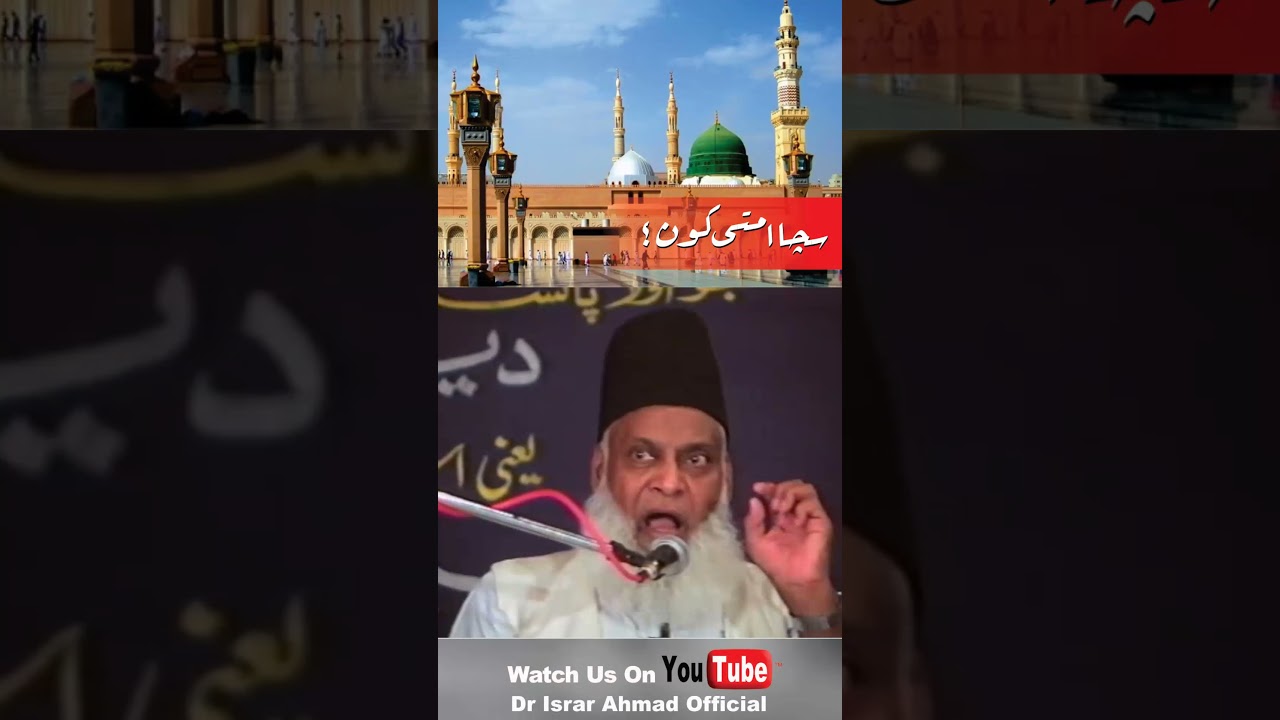
This lecture addresses the current global turmoil as a symptom of a deeper longing for the guidance embodied by the teachings of Muhammad. It emphasizes the need for Muslims to actively work towards fulfilling the objectives of the Prophet’s mission, focusing on spiritual and practical reformation. The speaker highlights that true progress for the Muslim community lies in returning to the principles and practices established at the beginning of Islam, prioritizing faith, devotion, and righteous living. The lecture warns against violent extremism and advocates for peaceful, constructive engagement in society. It emphasizes that reformation must stem from a genuine understanding and implementation of Islamic teachings.
49
