Corti
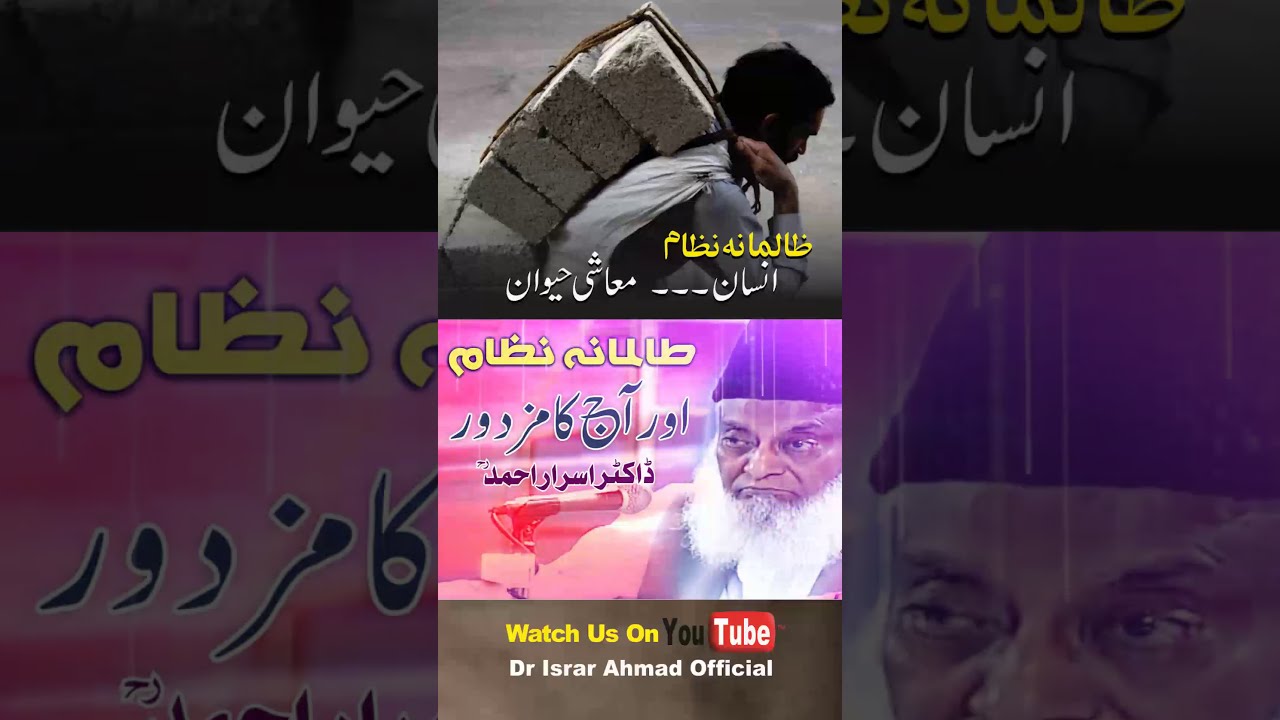
This lecture addresses the plight of the impoverished, highlighting the harsh realities faced by those struggling to meet basic needs. It emphasizes that individuals preoccupied with daily survival – those who cannot consistently secure even two meals a day and labor for ten to twelve hours – are deprived of the capacity for spiritual contemplation. The speaker asserts that systemic poverty degrades humanity, reducing individuals to a bestial existence, akin to livestock. This degradation strips them of their dignity and their ability to connect with the divine.

1,424
This lecture discusses the underlying unity of the African continent, despite its diverse cultures, languages, and physical appearances. The speaker highlights a shared spiritual resonance, symbolized by the continuous recitation of ‘Labbaik Allahumma Labbaik’ during pilgrimage, indicating a common faith and devotion. The continuous arrival of pilgrim groups exemplifies this widespread spiritual connection, creating a powerful, unifying presence across the land. The lecture emphasizes that this spiritual unity transcends geographical and cultural boundaries.
58
This lecture emphasizes the importance of mastering the world rather than being mastered by it. It explores the concept that worldly possessions, though beautiful, are ultimately tests designed to distract from true devotion to God. The speaker warns against becoming consumed by material pursuits and losing sight of spiritual priorities. True love and fulfillment are found in a connection with the Divine, not in the fleeting allure of worldly attractions. The core message is to remain steadfast in faith and avoid being captivated by the superficial beauty of the world.
65
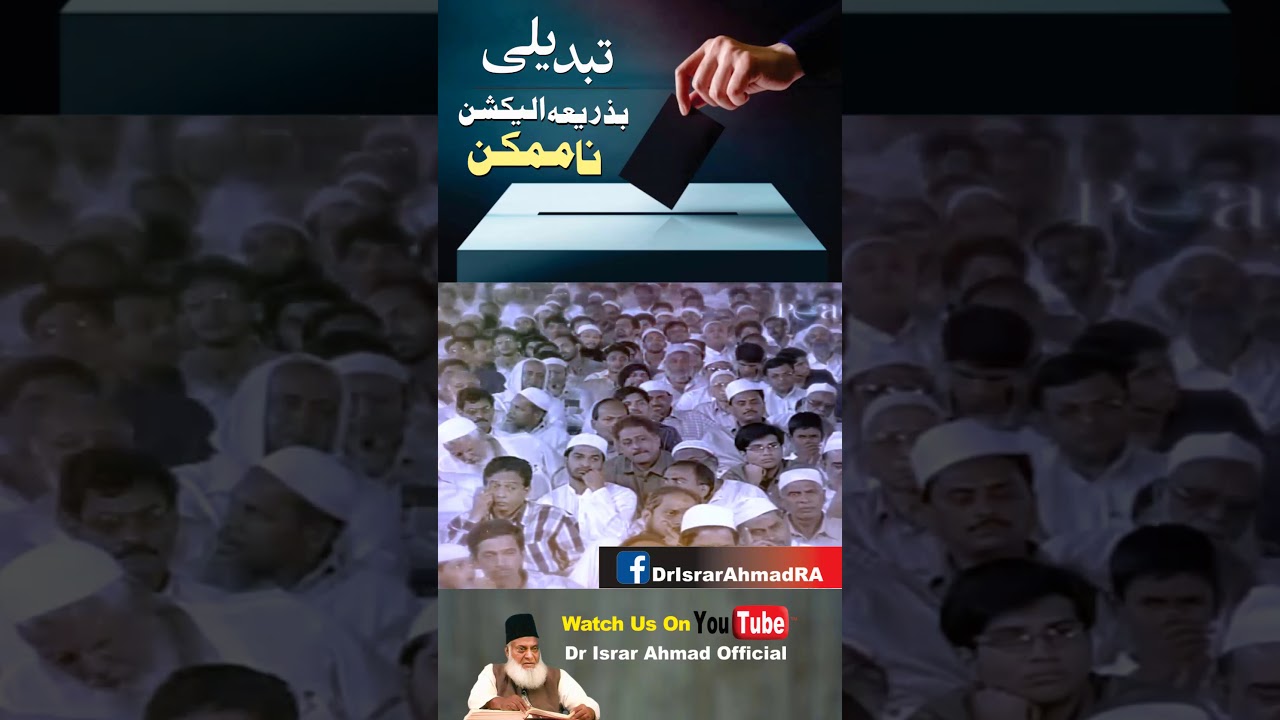
The lecture clarifies that elections are a mechanism for operating a system, not for changing it. Participation in elections does not challenge the existing framework but functions within it. The speaker emphasizes that elections serve to run a system, rather than to fundamentally alter it, drawing a distinction between operational participation and systemic change.
120
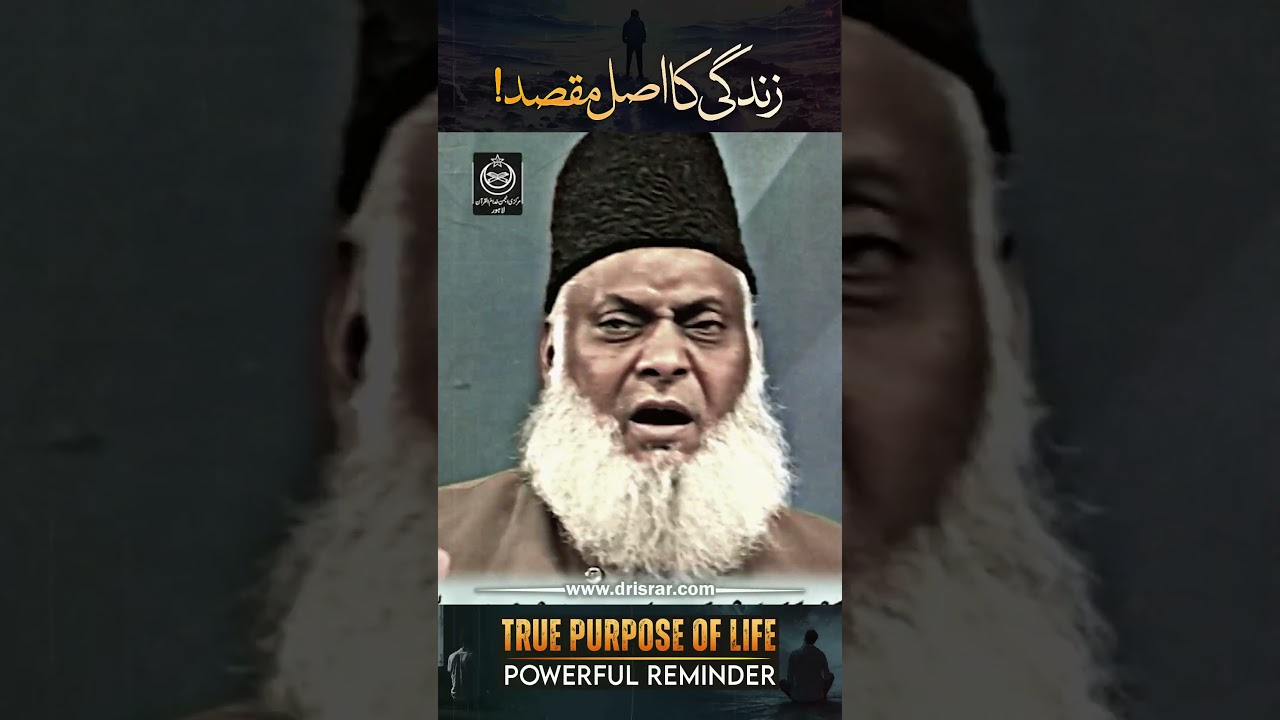
This reflection contemplates the human condition, questioning the meaning of existence beyond mere biological survival. It explores the stages of life – childhood, adolescence, youth, and old age – and asserts that true life transcends this temporary physical realm. The speaker posits that our earthly existence is a brief, evaluative period—a test—within a larger, eternal reality. This life is not the entirety of being, but a small segment, a temporary pause before returning to a perpetual, youthful existence. The core message is that the purpose of life lies beyond this transient world, within a spiritual and enduring context.
59
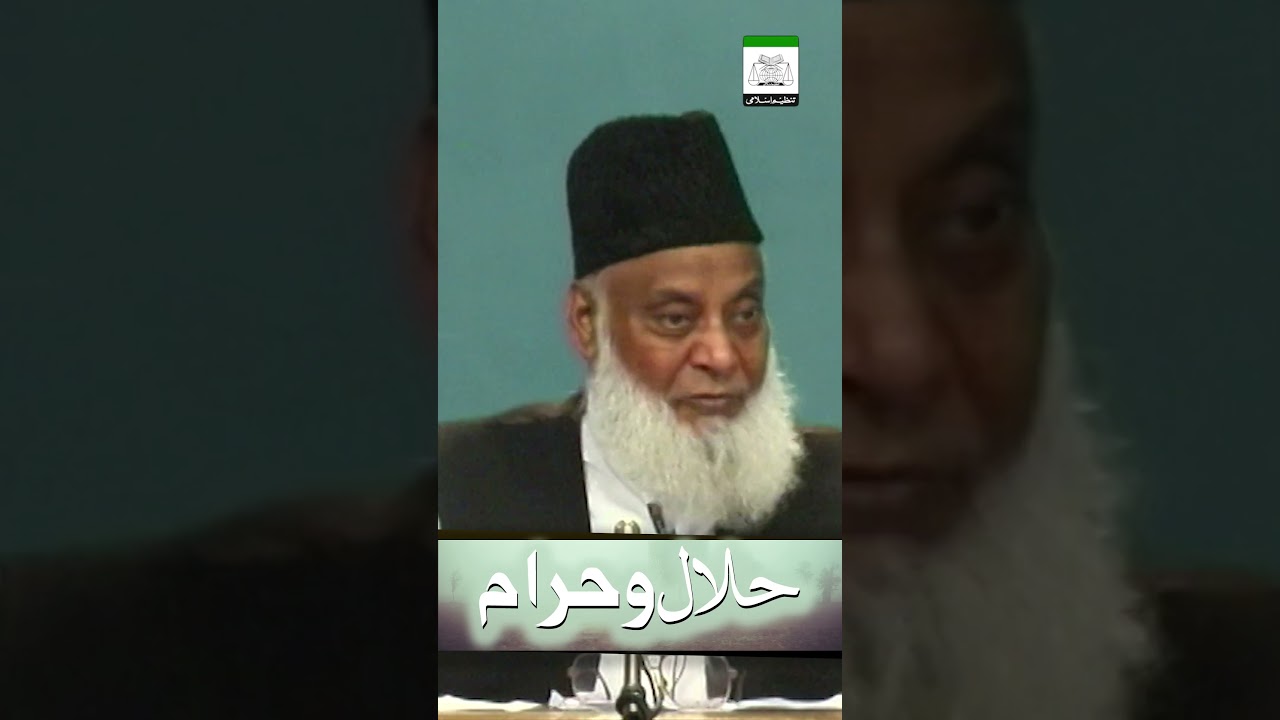
This lecture clarifies the distinction between permissible (halal) and prohibited (haram) actions and foods in Islam. It specifically addresses ‘mushtabahat’ – the grey areas between clear halal and haram. The speaker emphasizes erring on the side of caution and avoiding ambiguous matters to maintain piety. While legally permissible to engage with ambiguous things if their prohibition isn’t definitively proven, true piety lies in restricting oneself to that which is demonstrably halal, based on evidence from the Quran and Sunnah. The lecture stresses that while the law may allow for ambiguity, religious devotion demands a higher standard of certainty.
70
