শর্টস

The loss of modesty (hayā) correlates directly with a decline in faith (īmān). This internal restraint, a natural human quality instilled by God, protects individuals from immoral acts. When this protective barrier is removed through sin, such as adultery, internal restrictions dissolve, leading to unrestrained behavior and a visible deterioration of character. The natural human quality of modesty is an integral part of faith; its absence reveals inner corruption, much like the discharge from a festering wound.

55
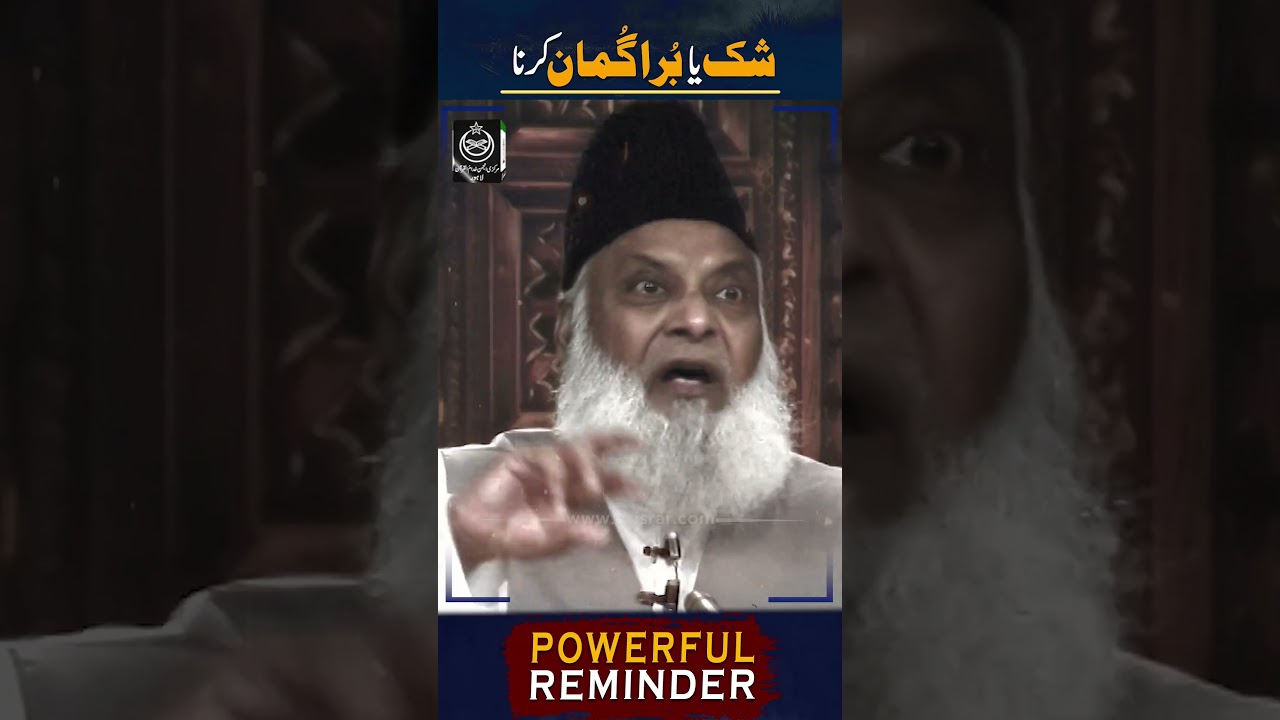
This lecture discusses the human tendency to form opinions and suspicions about others. It emphasizes that forming negative judgments without concrete evidence is harmful and unjust. While doubt itself is not inherently bad, it should prompt caution and careful consideration rather than immediate negative action. The speaker stresses the importance of avoiding pre-judgment and treating others with fairness, even when suspicions arise. Caution and thoughtful evaluation are preferable to hasty, unjust decisions.
50

This lecture details the stages of the Day of Judgement according to Islamic eschatology. It describes the first trumpet blast causing widespread destruction and loss of consciousness, impacting all of creation in the heavens and on earth, except those whom Allah wills. The second blast initiates the resurrection, bringing all to a standing position. The third blast signifies the final judgement. The lecture further explains the descent of Allah, the splitting of the sky, the descent of angels, and the presentation of the Book of Records, prophets, and witnesses on that day. The lecture underscores the inevitability and gravity of the Day of Judgement and encourages contemplation of the afterlife.
54

True prayer transcends ritual; it’s a direct communion with God achieved when the soul awakens. This lecture emphasizes that merely performing the actions of prayer—recitation and physical movements—is insufficient. Real connection occurs when one feels present before God, experiencing a sense of humility and closeness akin to placing one’s head in God’s lap. If the soul is dormant, oppressed, or dead, genuine prayer cannot occur, regardless of adherence to schedules or outward displays of devotion. Awakening the soul and establishing direct communication with God is the essence of achieving the spiritual elevation that prayer promises.
57

Dr. Israr Ahmad explains that memorizing the Quran is one task, and *retaining* it is another. Forgetting memorized verses is a serious offense. Consistent recitation and revision are crucial for long-term retention. Many who claim to have memorized the entire Quran struggle to recall it throughout the year, requiring frequent re-memorization. He highlights that consistent practice is more valuable than merely claiming complete memorization, even if one is unable to perform regular prayers.
52

This lecture explores the concept of free will and its implications. Humans experience freedom in this world, but are accountable for their actions. The material laws of this world do not immediately punish wrongdoing, creating a false sense of impunity. However, the ultimate return is to God, where every deed, no matter how small, will be accounted for. Those who perform even a speck of good will find it before them, and those who commit even a speck of evil will also face its consequences. This emphasizes divine accountability and the importance of righteous conduct despite the apparent lack of immediate consequences.
46
