السراويل القصيرة
The loss of modesty (hayā) correlates directly with a decline in faith (īmān). This internal restraint, a natural human quality instilled by God, protects individuals from immoral acts. When this protective barrier is removed through sin, such as adultery, internal restrictions dissolve, leading to unrestrained behavior and a visible deterioration of character. The natural human quality of modesty is an integral part of faith; its absence reveals inner corruption, much like the discharge from a festering wound.

60
The establishment of the Caliphate signifies the sovereignty of God and the end of human rule, which is considered the greatest form of idolatry. Until the Caliphate is re-established, shirk (associating partners with God) persists through human governance. True worship will only be possible when divine authority replaces earthly dominion, eliminating the foundation of shirk and establishing pure devotion to God.
238
The lecture defines migration (Hajrat) not merely as physical relocation, but as abandoning anything displeasing to God. It outlines three levels: renouncing interest-based transactions, establishing modesty and privacy within the home, and ultimately, sacrificing all worldly possessions – even family – to uphold and defend the faith when facing persecution and conflict. This final level represents the highest form of migration, undertaken when actively striving to establish God’s law.
65
This lecture details the practice of additional *takbirat* (declarations of greatness of God) during Eid al-Fitr prayers. The Hanafi school of thought prescribes six additional *takbirat*, while the Ahl-e-Hadith tradition follows twelve. The speaker emphasizes performing these *takbirat* while traveling to and from the Eid prayer, ideally using different routes to amplify the proclamation throughout the community. The core message urges believers to actively uphold and propagate their faith through striving, dedication, and even sacrifice, as a demonstration of gratitude for divine guidance. It stresses that upholding and establishing the true faith requires sincere effort and dedication, and that gratitude for Allah's guidance should manifest in a commitment to living a righteous life.
71
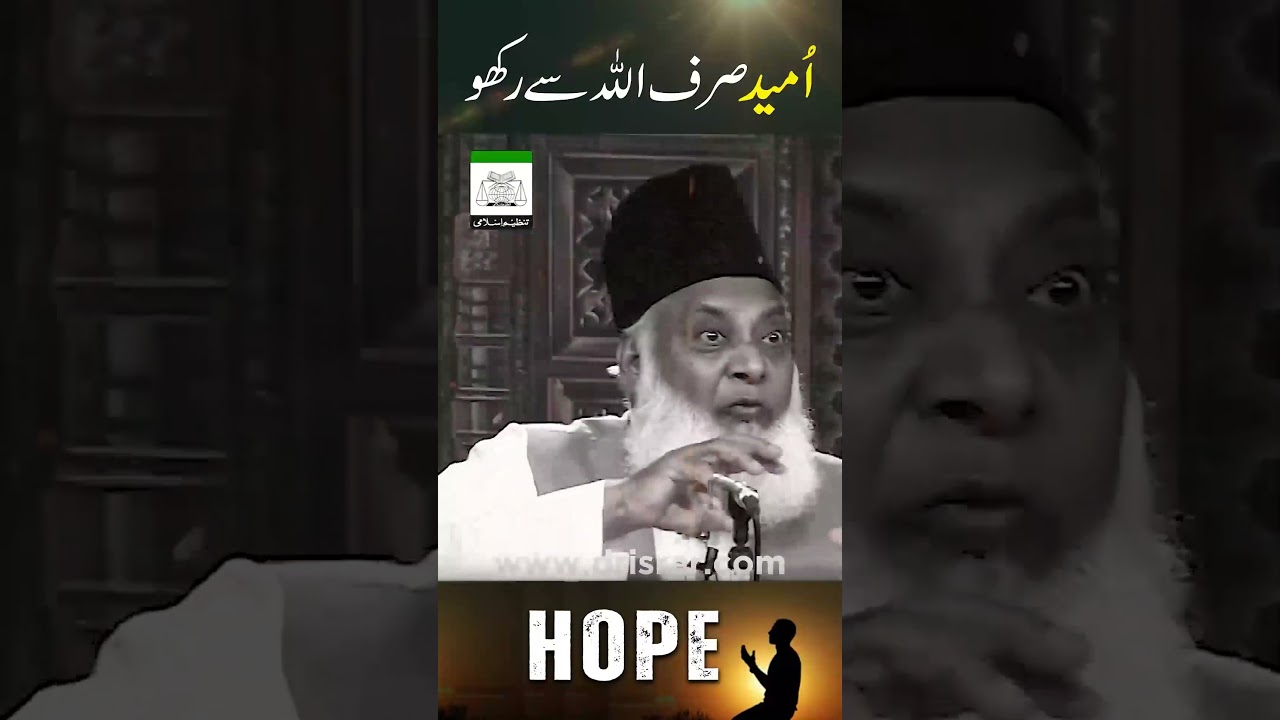
This lecture explores the connection between faith in God and the absence of fear and grief. It argues that true belief manifests as inner peace and confidence, even in the face of adversity. The speaker emphasizes that a troubled heart indicates a lack of complete trust in God’s sovereignty. Experiencing peace and freedom from anxiety are considered concrete proofs of genuine faith and a solidified connection with the Divine. The lecture highlights that reliance on God is the only path to overcoming these negative emotions and achieving true contentment.
69
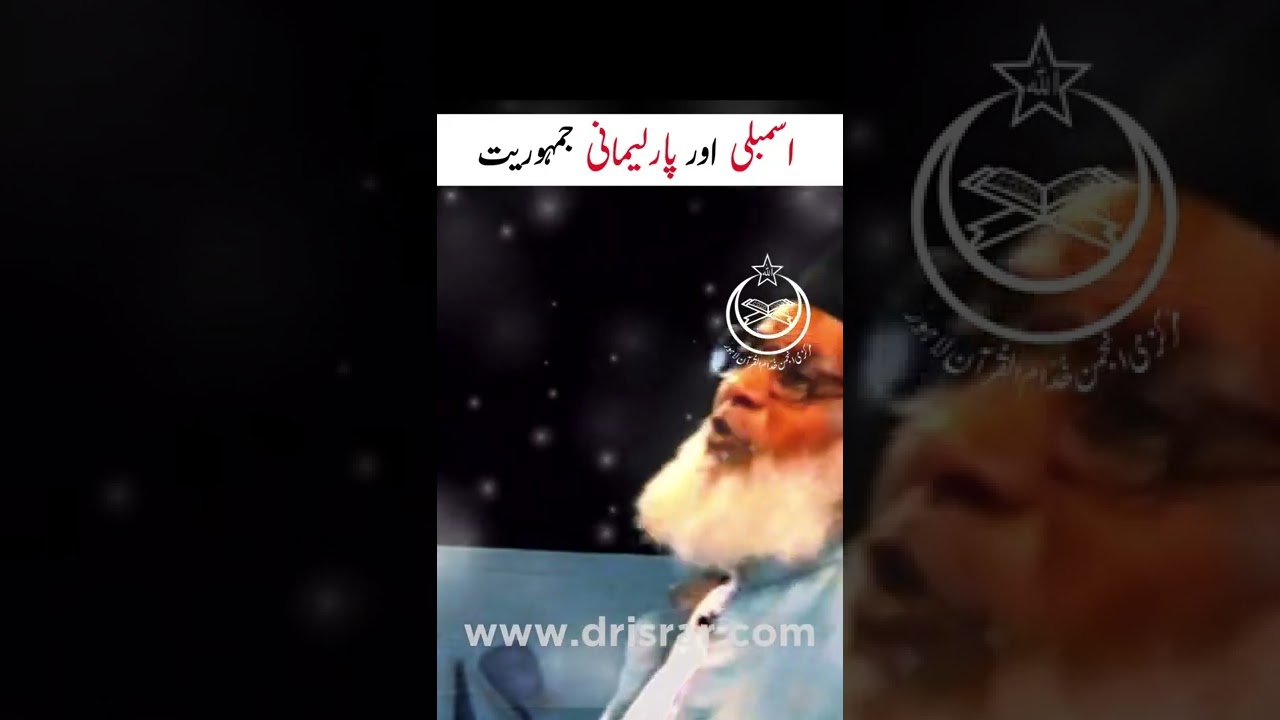
This lecture discusses the foundational principles of Pakistan’s political system, highlighting its historical roots in British parliamentary democracy. It emphasizes the concept of a shared national identity encompassing both Muslims and non-Muslims, established during the creation of Pakistan. The speaker points out that despite establishing Pakistan with a different vision, the country largely retained the British parliamentary system. The lecture examines the perception that this system was considered divinely ordained, leaving little room for alternative models and solidifying its place as the established political norm.
79
