短裤

This lecture details the profound encounter between Prophet Moses (peace be upon him) and Allah on Mount Tur. Despite direct communication, Moses expresses a desire to behold Allah. Allah responds that direct vision is beyond human capacity, but offers a demonstration through the mountain. When Allah manifests a glimpse of His glory upon the mountain, it is utterly destroyed, and Moses falls unconscious. This event highlights the immense power and majesty of Allah and the limitations of human perception when encountering the Divine.

70
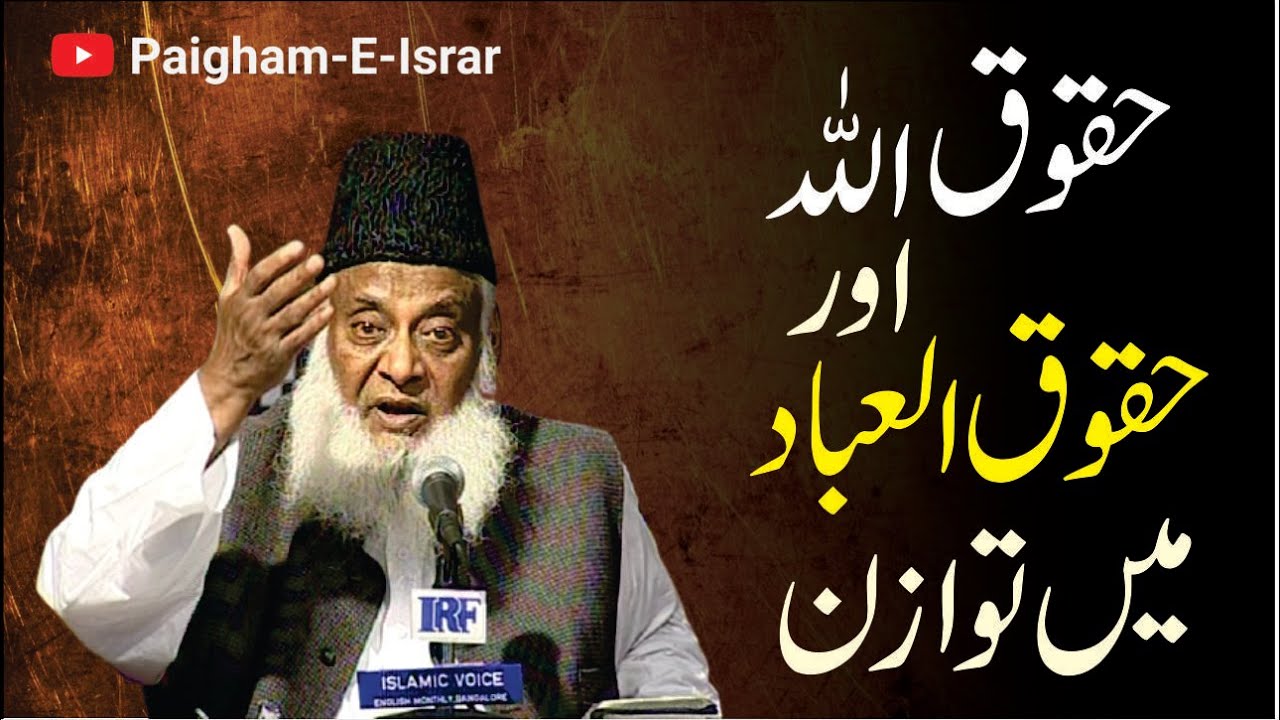
The Prophet Muhammad’s life exemplified a perfect balance between fulfilling obligations to people and devotion to God. He showed immense love and attention to his wives, ensuring their emotional well-being and rights were always met. Simultaneously, at the call to prayer, he would immediately and completely devote himself to worship, appearing as if unaware of his surroundings. This demonstrates a harmonious integration of worldly responsibilities and spiritual pursuits, highlighting the importance of both aspects of a balanced life. His behavior showed complete dedication to both rights of God and rights of people, a perfect example for all believers.
65

The text highlights a unique distinction granted to Prophet Muhammad (peace be upon him). The Quran uses specific phrasing – “Rasool Allah” – exclusively for him, while other prophets are described with various roles like witness, herald, example, caller, messenger, teacher, trainer, and helper. This emphasizes his singular status as the final messenger of God.
107

This lecture explores the concept of inner revolution as the true catalyst for lasting societal change. Dr. Israr Ahmad argues that external revolutions are temporary if not rooted in a fundamental transformation of individual character. He draws parallels to the revolution initiated by the Prophet Muhammad, highlighting the internal transformation within the Sahaba (companions) as the driving force behind its rapid expansion and unprecedented success. The lecture emphasizes the immense potential of this internal revolution to reshape the world, referencing a vision of its potential reach across vast geographical areas. The speaker contrasts this with the failed attempt at internal revolution, and resulting discord, by Abdullah ibn Saba, and the slowing of Muhammad’s revolution. The lecture posits that genuine and lasting change originates from within the individual, ultimately manifesting as a global phenomenon.
74
This lecture emphasizes the religious obligation of every Muslim to strive for the establishment of the Caliphate system. It asserts that failing to do so constitutes a contradiction of faith and a disregard for divine law. The speaker criticizes a narrow focus on material possessions and worldly concerns, arguing that a true Muslim’s life should be dedicated to this essential struggle, regardless of whether their efforts are recognized or accepted by others. The lecture draws a parallel to the tireless work of past prophets, highlighting that persistent effort is key to success, even in the face of rejection.
71

This lecture emphasizes the inseparable link between loving Allah, loving the Prophet Muhammad (peace be upon him), and following his example. True faith requires both emotional devotion and practical obedience. The speaker details the high standard of love and obedience expected of believers, referencing the Prophet’s relationship with companions like Umar Farooq. He distinguishes between mere obedience to commands and complete emulation of the Prophet’s character and actions. The lecture highlights that following the Prophet is the path to earning Allah’s love and forgiveness, even in moments of weakness. It stresses the importance of prioritizing the Prophet's example above all else.
247
