Pantalones cortos
The Prophet Muhammad (peace be upon him) was asked about the most virtuous form of migration. He responded by emphasizing the abandonment of everything displeasing to God. This necessitates a self-assessment to identify and eliminate harmful practices and beliefs, aligning one's life with the spirit of Islamic law. This is the true beginning of migration – an internal purification and commitment to righteous conduct.

67
This lecture discusses the practice of fasting on the 13th, 14th, and 15th of each Islamic month, known as Ayyam-e-Beiz. It explains that this practice continued after the obligatory fasts of Ramadan were established, as it was a regular habit of the Prophet Muhammad and his companions. The lecture also notes the significance of these days due to the brightness of the moon and the opportunity for voluntary worship. The practice continues among devout Muslims today as a means of following the Sunnah.
50
This lecture emphasizes that genuine access to the essence of the Quran is only possible through self-purification. The speaker highlights a lament about humanity’s disregard for this immense blessing – neglecting to read, understand, implement, or make the Quran a guiding principle in life. Instead, many actively reject it, shaping their own unfortunate destiny through denial. The core message is a call to prioritize internal purification to unlock the true meaning and benefits of divine revelation.
608
This lecture emphasizes the importance of engaging in reasoned discourse (majadala) rather than mere argument. It stresses responding to opposing viewpoints with wisdom and politeness, aiming to silence them through compelling logic, not aggression. Maintaining a high moral standard during debate is crucial; avoid insults, vulgar language, and descending to their level. Respect for opponents’ beliefs is paramount, even while presenting a counter-argument. The speaker highlights the necessity of engaging with wisdom and good conduct to effectively convey one’s message and positively influence others.
59
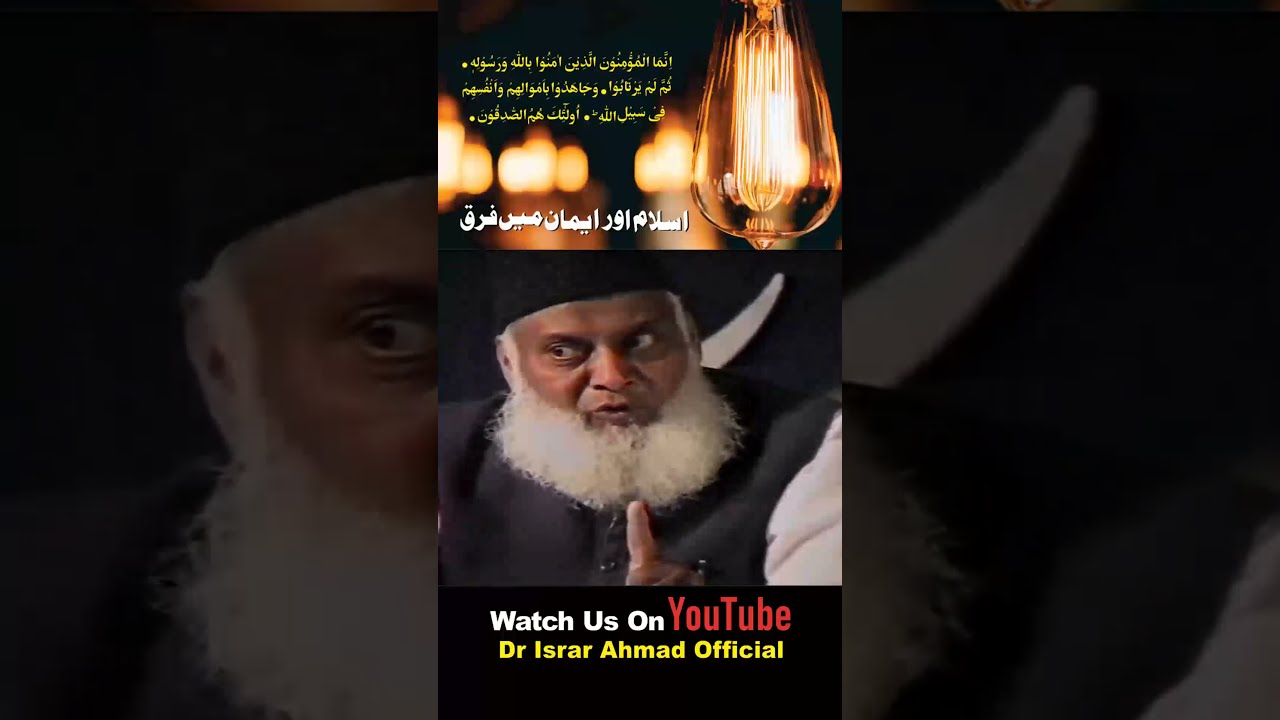
This lecture explores the distinction between Islam and Iman (faith). The speaker clarifies that simply professing Islam is insufficient; true faith requires the internalization of belief within the heart. The Quranic verse from Surah Al-Hujurat, chapter 49, verse 14, highlights the difference between outward submission and genuine belief. The speaker elaborates on the verse in Surah Al-Saf, chapter 6, verse 10, which emphasizes the need for a faith free from doubt and supported by striving in the path of Allah with wealth and life. The lecture emphasizes that a complete faith is demonstrated through both belief and action, and that true believers continuously strive to deepen their connection with Allah.
107
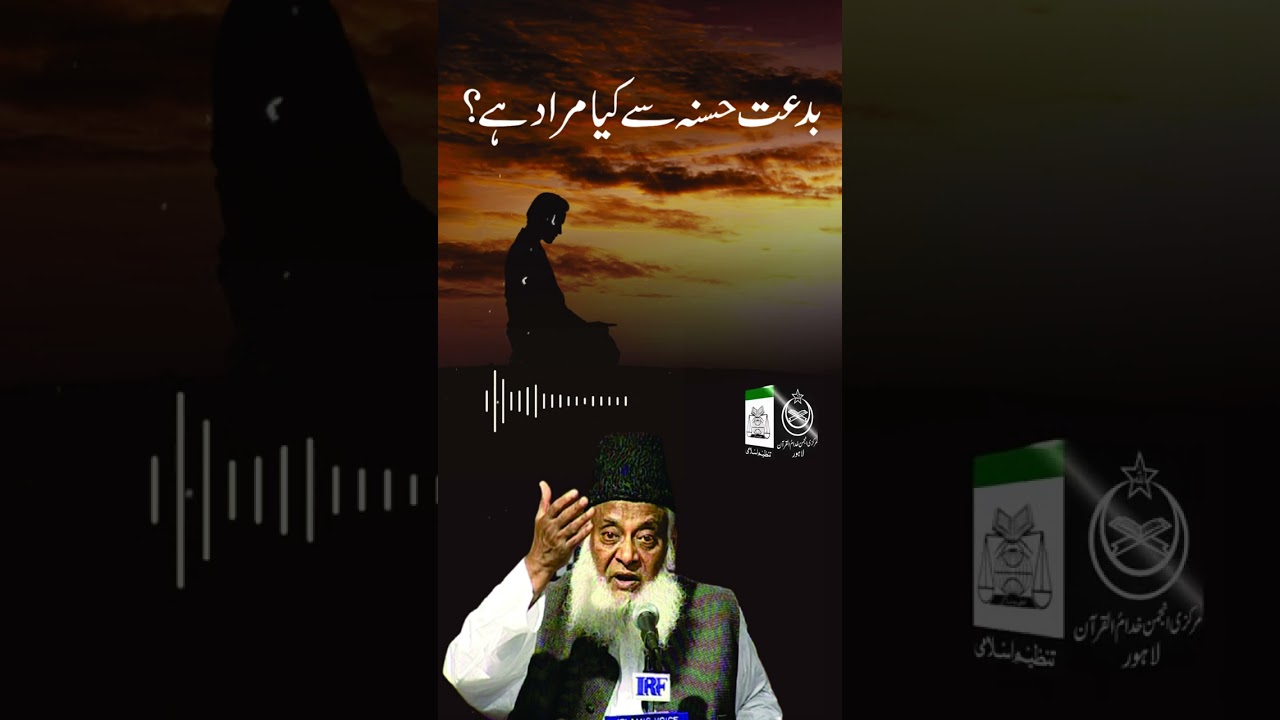
The lecture discusses the concept of *bidat* (innovation) in religious practice, specifically distinguishing between permissible and impermissible innovations. It focuses on the example of Hazrat Umar Farooq (RA) initiating the practice of reciting *tarawih* prayers in rows behind the Imam, which he termed a *bidat hasana* (good innovation). However, the lecture emphasizes that the right to declare an innovation as *hasana* is exclusive, and Muslims should adhere to the example of the Prophet Muhammad (peace be upon him) and the rightly guided caliphs. The core argument is that innovation should not be introduced independently, but only when justified by established principles and guided by prophetic tradition. Following the Prophet’s and the rightly guided caliphs’ practices is paramount.
61
