Kratke hlače
The Kaaba’s origins trace back to Prophet Adam, who was its first architect. The initial structure was destroyed by floods, leaving only its foundations. Prophet Ibrahim, guided by divine instruction, rebuilt the Kaaba upon those original foundations, with the help of his son Ismail. Thus, Ibrahim became the second architect of the Kaaba, restoring it as a place of worship. The lecture details the historical and spiritual significance of the Kaaba's construction and the roles of both Adam and Ibrahim in its creation.

60
This lecture explores the multifaceted greatness of the Prophet Muhammad (peace be upon him). It highlights his exceptional qualities not merely as a human being, but also as a strategic leader and diplomat. The discussion focuses on his unparalleled skill in military strategy, despite never personally participating in battle, and his mastery of negotiation and conflict resolution. The lecture details his ability to forge alliances and unite diverse groups, exemplified by the agreements he established in Medina and previously in Yathrib, demonstrating his profound leadership and wisdom.
85
The criteria for success and failure are presented, emphasizing that true success isn’t found in wealth, status, or possessions. Instead, it stems from faith and righteous action. These elements are fundamental necessities for salvation, and one cannot compromise on them. The lecture stresses that genuine achievement is rooted in spiritual foundations, not material gains.
61
This lecture explores the concept of *talaawat* beyond mere recitation, emphasizing its true meaning as actively following the Quran's guidance. The speaker explains how beginners often rely on physical aids like fingers to maintain focus while reading. True *talaawat*, however, involves making the Quran one’s leader, adhering to its principles, and seeking its light. This entails complete submission and following its path, as expressed in the prayer for the Quran to be an Imam, a source of light, guidance, and mercy.
53
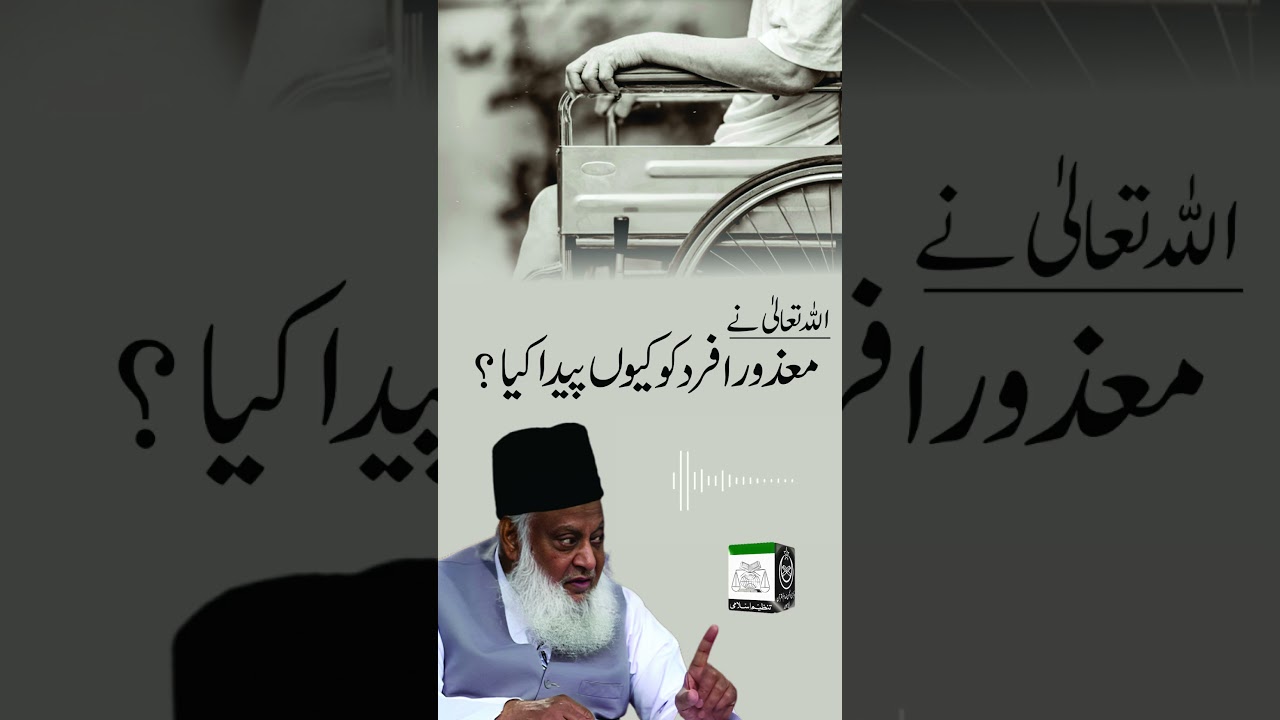
This lecture addresses the challenges faced by individuals with disabilities, specifically blindness, and offers a theological perspective on hardship and divine justice. It posits that life's difficulties are not punishments but tests, and that full compensation will be provided in the afterlife. The speaker argues that limitations do not negate success, as individuals will be judged based on their capacity and effort. The focus shifts from worldly outcomes to the eternal reward, framing current struggles as a temporary phase within a larger, eternal context. Success isn't measured by worldly achievements but by striving within one's limitations. The speaker emphasizes that the true life exists in the hereafter.
55
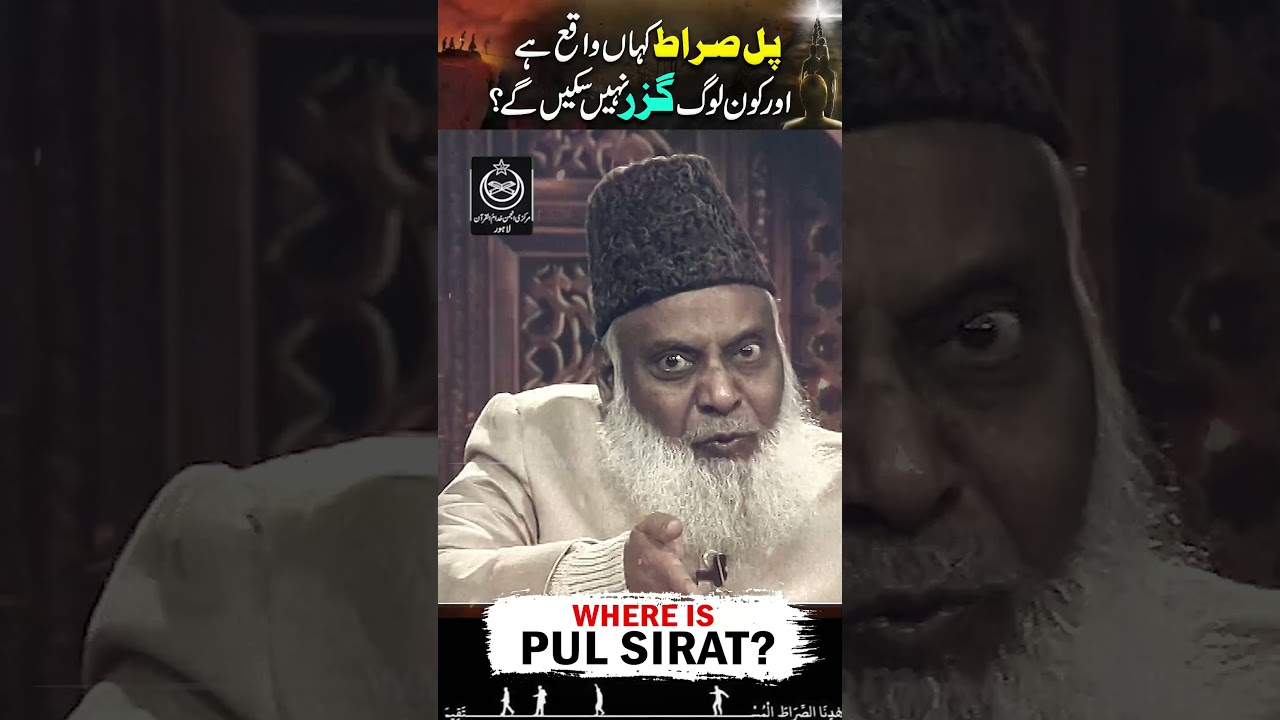
The Sirat is described as a narrow bridge spanning Hell, shrouded in intense darkness. Those with faith and righteous deeds will be guided by an inner and right-hand light, allowing them to cross safely into Paradise. Conversely, those lacking faith and good deeds will stumble, fall, and be cast into Hellfire. This inner light, emanating from faith and righteous actions, illuminates the path for the believers, while the unrighteous will face a treacherous journey and ultimate damnation. The Sirat is a test of one's spiritual state and a decisive factor in their eternal destiny.
52
