短裤
Extravagance is a grave sin, defined as spending beyond necessity. Basic needs like food and clothing are sufficient; excessive consumption is wasteful. The text condemns the lavish spending on weddings and displays of wealth motivated by vanity. It draws a parallel between those who squander their resources and the companions of Satan, emphasizing that wasteful spending is a characteristic of those who stray from righteous conduct. The core message is to avoid extravagance and prioritize responsible use of wealth.

71
Human beings possess an inherent understanding of good and evil, stemming from a divinely inspired moral compass embedded within their nature. This internal faculty guides individuals towards righteousness and away from wrongdoing. The core principles of ethical conduct – fulfilling obligations, avoiding prohibited acts like usury and intoxicants, and embracing virtues like prayer and fasting – are foundational to this innate understanding. This inherent moral sense is not learned but rather a natural attribute of the human soul, a divine endowment that distinguishes humanity.
53
This lecture asserts that the ultimate right is the sovereignty of God, and its implementation is essential. Resistance to this divine right is considered rebellion. The speaker critiques secularism and popular sovereignty, arguing they contradict the fundamental right of God’s rule. True teaching of right involves facing resistance, while compromise and agreements that cause no harm are insufficient. The lecture emphasizes the importance of upholding God’s sovereignty even in the face of opposition.
61
This lecture details a specific, undisclosed hour on Friday when prayers are believed to be particularly effective. Various interpretations exist regarding its timing. Some scholars suggest it's the period between the two khutbas during Jummah prayer. Others believe it spans from immediately after the Jummah prayer until Asr. Consequently, many observant Muslims spend this time in mosques, engaging in remembrance and recitation of the Quran. The precise timing remains intentionally concealed, adding to its spiritual significance.
70
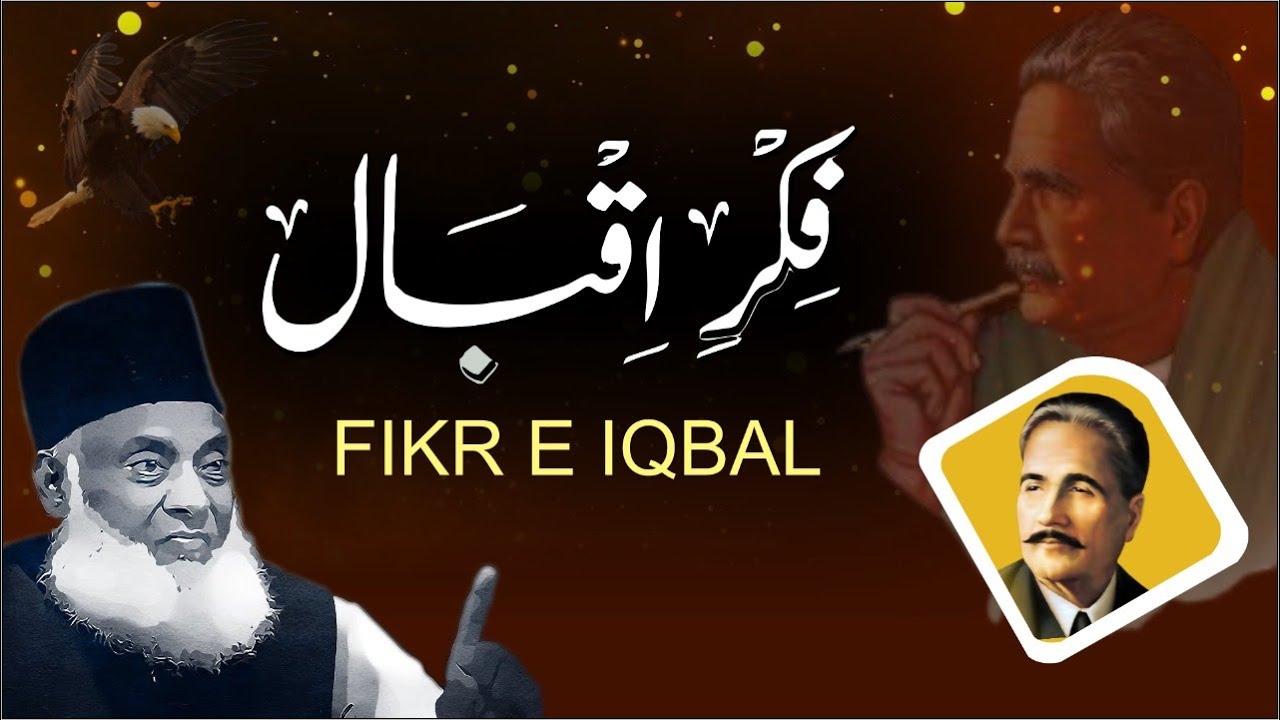
Iqbal critically analyzed modern ideologies, identifying inherent dangers within them. He particularly opposed nationalism (wataniyat) as a political concept, viewing it as a new form of idolatry that overshadows faith. He contrasted the spiritual unity of Islam with the divisive nature of national identities. Iqbal saw secularism and nationalism as major threats—forms of shirk (polytheism) and kufr (disbelief)—and materialism as the defining characteristic of contemporary civilization. He argued that true strength lies in adhering to the principles of Tawhid (Oneness of God) and embracing Islam as a complete way of life.
75
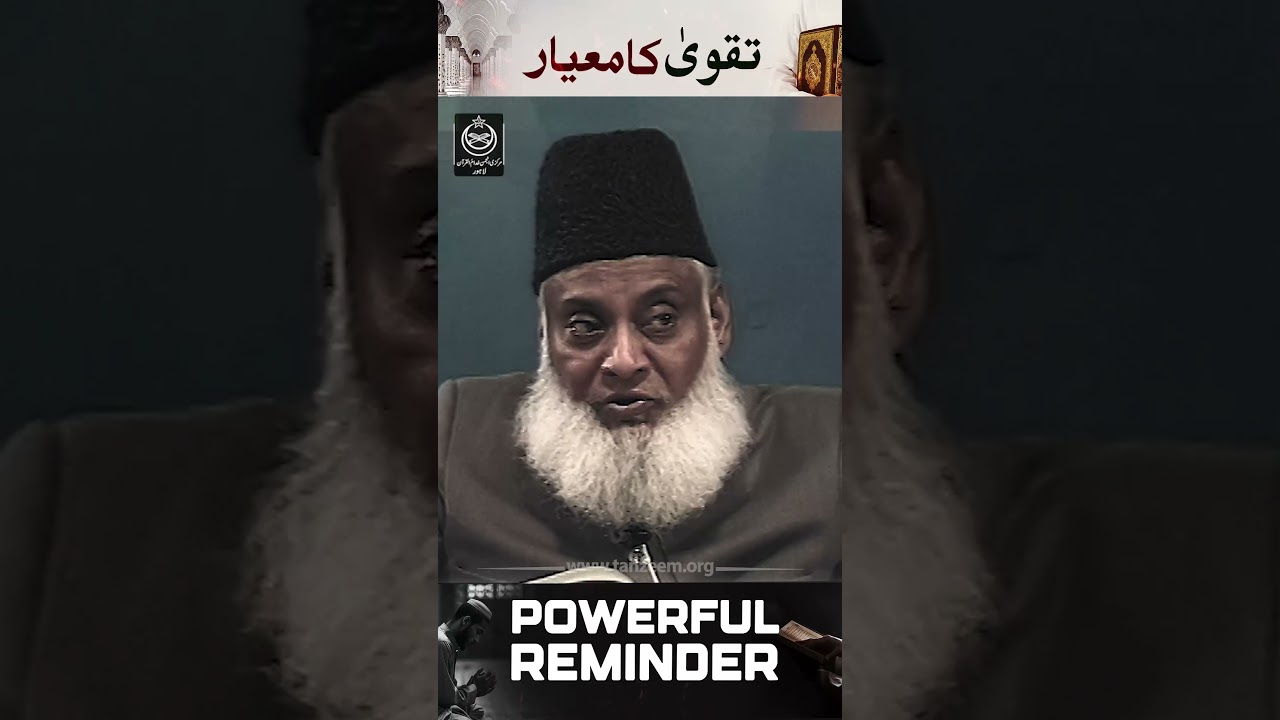
This lecture clarifies that true piety (taqwa) extends beyond mere ritualistic observance – prayers, fasting, avoiding forbidden foods. It emphasizes abstaining from unjustly acquiring wealth, avoiding deceptive practices, and not using wealth to influence authorities for personal gain. Genuine piety involves a commitment to ethical financial conduct and a sincere avoidance of all forms of injustice. It highlights that simply performing religious duties without inner sincerity and righteous conduct does not constitute true taqwa.
103
