Shorts
True worship begins with obedience, but its essence is love. Obedience is the visible form, while love is the underlying spirit. Complete obedience to Allah involves total submission at all times. The path to Allah's obedience is through obedience to His Messenger, Muhammad (peace be upon him). One must strive to reach a level of devotion where the Prophet is more beloved than one's parents and children, and all of mankind. This devotion is a prerequisite for true faith. Without this level of love for the Prophet, all other actions are meaningless.

43

Supplication (du'a) should be directed solely to Allah. Seeking help from anyone other than Allah – be it prophets, messengers, angels, saints, or any created being – nullifies the act of worship. While seeking physical assistance within the natural laws of the world is permissible, requesting the unseen or miraculous from anyone besides Allah is strictly forbidden. True supplication involves asking Allah alone for all needs, both material and spiritual. Seeking aid from others in worldly matters is different from asking for the impossible or supernatural from anyone besides the Creator.
66

The Prophet Muhammad (peace be upon him) serves as the best example for those who believe in God and the Day of Judgement, and who consistently remember God. The Quran provides guidance for all, but only those who are pious and fulfill specific conditions—faith in God and the afterlife, and constant remembrance of God—will truly benefit. This lecture highlights the Prophet’s life as a complete argument for humanity. The establishment of Islam's social justice system was achieved through persistent effort, hardship, sacrifice, patience, perseverance, and resilience, not through miracles or divine comforts. The example of the Battle of Tabuk demonstrates the dedication of early Muslims, even sharing meager rations to support one another. This is the essence of the Prophet’s legacy.
78

This lecture emphasizes the importance of inviting people to the path of God with wisdom, good counsel, and respectful debate. It highlights that delivering the message of God is a duty, best fulfilled through gentle persuasion and eloquent communication. The speaker stresses that even in disagreement, one must maintain a dignified and courteous approach.
43
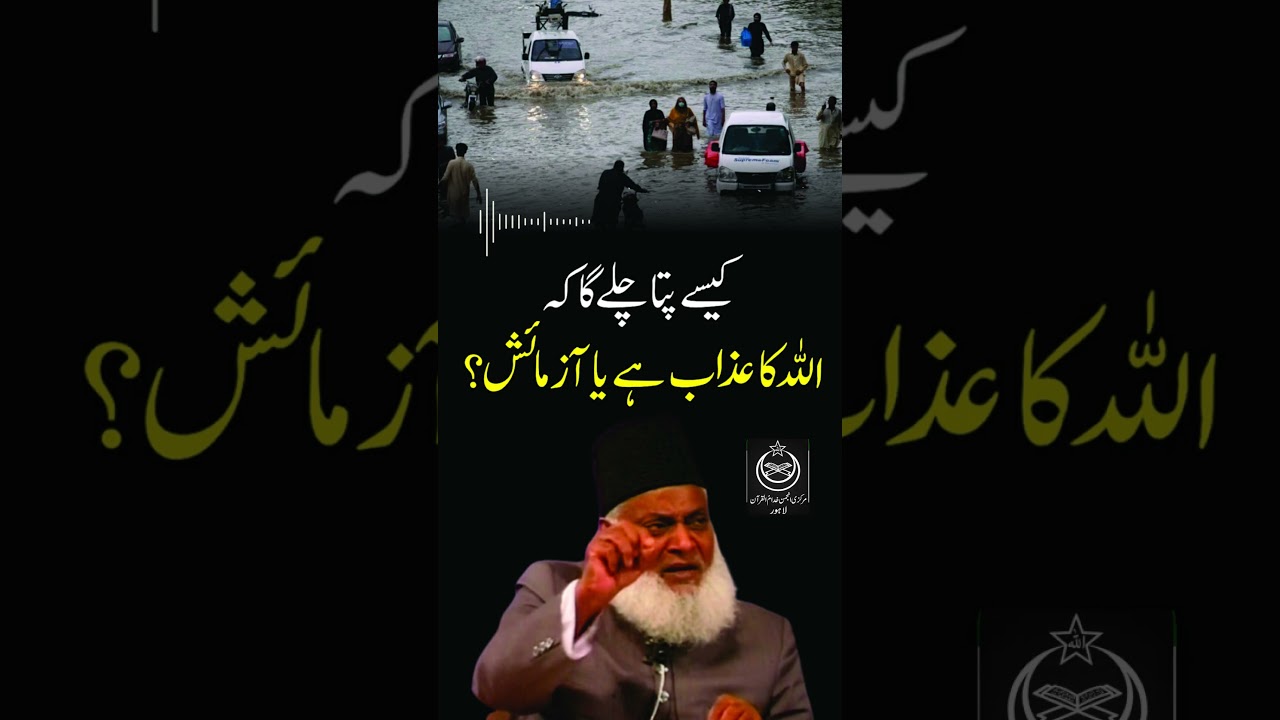
This lecture clarifies the distinction between trials (imtihan) and consequences (sada). It explains that both may appear similar externally, but the heart discerns their origin. Trials befall those striving on the righteous path, serving as tests from God. Consequences, however, stem from one’s actions. The heart will reveal whether a difficulty is a trial designed to elevate one’s status or a consequence requiring atonement. Recognizing this difference is crucial for spiritual growth and understanding divine justice.
56
The Prophet Muhammad’s life exemplified a perfect balance between fulfilling obligations to people and devotion to God. He showed immense love and attention to his wives, ensuring their emotional well-being and rights were always met. Simultaneously, at the call to prayer, he would immediately and completely devote himself to worship, appearing as if unaware of his surroundings. This demonstrates a harmonious integration of worldly responsibilities and spiritual pursuits, highlighting the importance of both aspects of a balanced life. His behavior showed complete dedication to both rights of God and rights of people, a perfect example for all believers.
61
