শর্টস

This lecture explains that the essence of all divine commands converges on the single concept of *ibadat* (worship). The speaker references the initial verses of Surah Nuh, where Prophet Noah is instructed to warn his people. The core message is to worship God, practice *taqwa* (righteousness), and obey the prophet. This highlights worship as the fundamental purpose of human existence and the means to avert divine punishment. The lecture emphasizes that true worship encompasses both adherence to divine commands and a sincere devotion to God.

55

This lecture addresses the principles of justice and impartiality when resolving disputes, particularly between Muslims and non-Muslims. It emphasizes that judgments must be based on equity and truth, regardless of religious affiliation. The speaker cautions against allowing personal biases or animosity towards any group to influence judicial decisions. True justice, it is argued, is achieved through adherence to divine guidance and righteousness, ensuring fairness for all involved. The lecture stresses the importance of maintaining impartiality even when one party belongs to one’s own faith or community, and warns against letting enmity sway judgements.
62

Sheikh Abdul Qadir Jilani emphasized that true power and provision come solely from Allah. Nothing possesses inherent efficacy; fire cannot burn, water cannot drown, poison cannot kill, or anything benefit without Allah’s will. Reliance should be placed entirely on Allah, not on worldly means or intermediaries. The lecture stresses complete trust in Allah for all needs and outcomes.
47

This lecture explains the hadith stating that Muslims should be mirrors to one another. This means Muslims should respectfully and compassionately point out each other’s flaws, not to demean, but to facilitate self-improvement. This guidance emphasizes delivering constructive criticism with kindness, sincerity, and a genuine desire for the other’s betterment. The focus is on offering advice from a place of goodwill, devoid of arrogance or self-righteousness, and with a spirit of empathy and heartfelt concern.
47

This lecture emphasizes the importance of fulfilling obligations to God and to humanity. It highlights the necessity of standing firm for justice, adhering to divine principles, and respecting revealed scriptures. The speaker stresses that true faith requires both upholding the rights of God – encompassing worship and obedience – and fulfilling the rights of others, including upholding justice and fairness. A key point is the responsibility to study, reflect upon, and act in accordance with the teachings of divine books like the Torah, the Gospel, and the Quran. The lecture concludes with a call to establish justice and follow the guidance revealed by God.
43
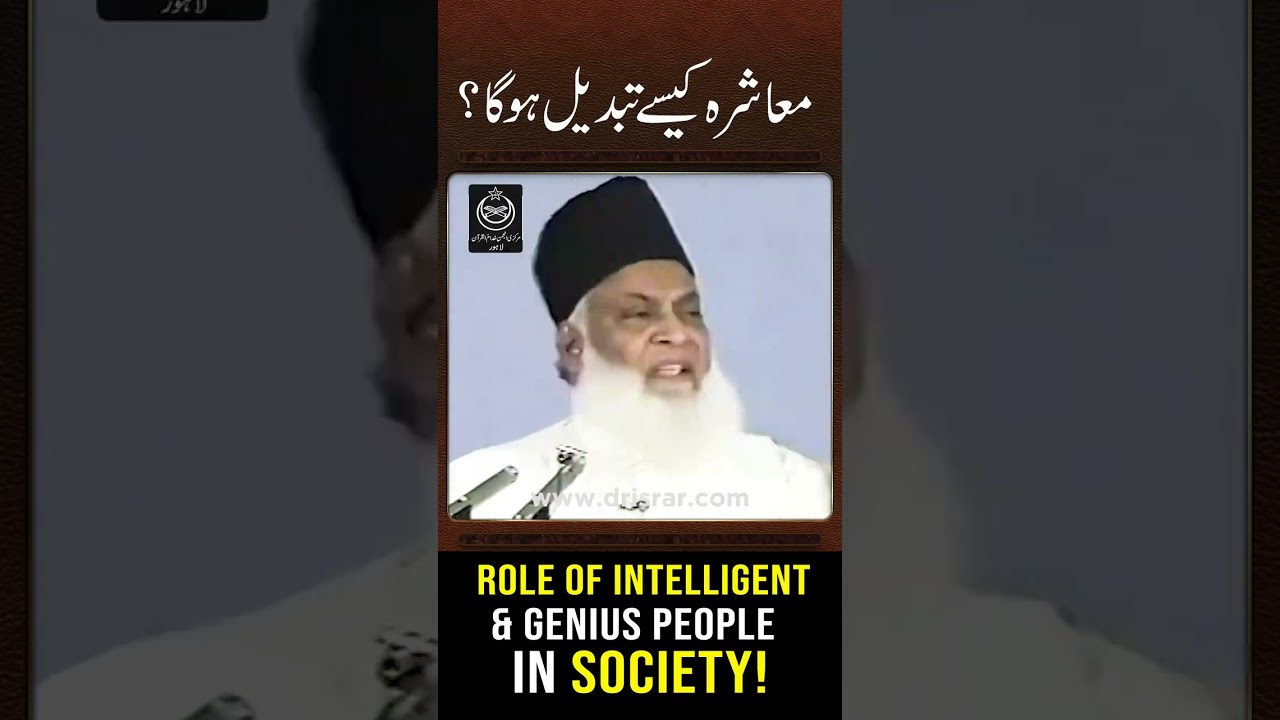
This lecture emphasizes that societal change is impossible without first changing individuals. The speaker argues that focusing on transforming individuals is more impactful than attempting to directly alter the collective. A core point is that a powerful intellectual class, or 'brain trust', must be engaged to facilitate this individual transformation. Without addressing the core beliefs and mindset of individuals, systemic change will remain elusive. The lecture prioritizes the empowerment of individuals as the primary driver of societal progress.
52
