Quần short
The earliest form of worship was standing in prayer at night, initially for two-thirds, then one-third of the night, with recitation of the Quran. At that time, only a portion of the Quran had been revealed. Later, during the eleventh year, five daily prayers were mandated in Makkah. Before this, practices like fasting, interest, gambling, and alcohol were not prohibited. There was no complete established Sharia law; only faith (Iman) existed.

53
This excerpt details the catastrophic events preceding and occurring on the Day of Judgement. It describes the dimming of vision, the extinguishing of the moon, the merging of the sun and moon, and the resulting panic and desperation of humanity. People will search for any refuge, but find none. The verse emphasizes ultimate accountability before God, where every deed—past and future—will be revealed. It highlights that on that day, humanity will be made to realize the consequences of their actions and be held accountable for everything they have done.
78
Dr. Israr Ahmad argues against giving money to professional beggars, stating it perpetuates a harmful system and discourages genuine charity. He emphasizes identifying and directly supporting those truly in need within one’s community, advocating for delivering aid to their homes rather than enabling begging. He asserts that supporting beggars inadvertently funds an institution of exploitation and makes those who do so complicit in a societal ill. True charity, he explains, involves identifying genuine need and providing direct assistance.
44
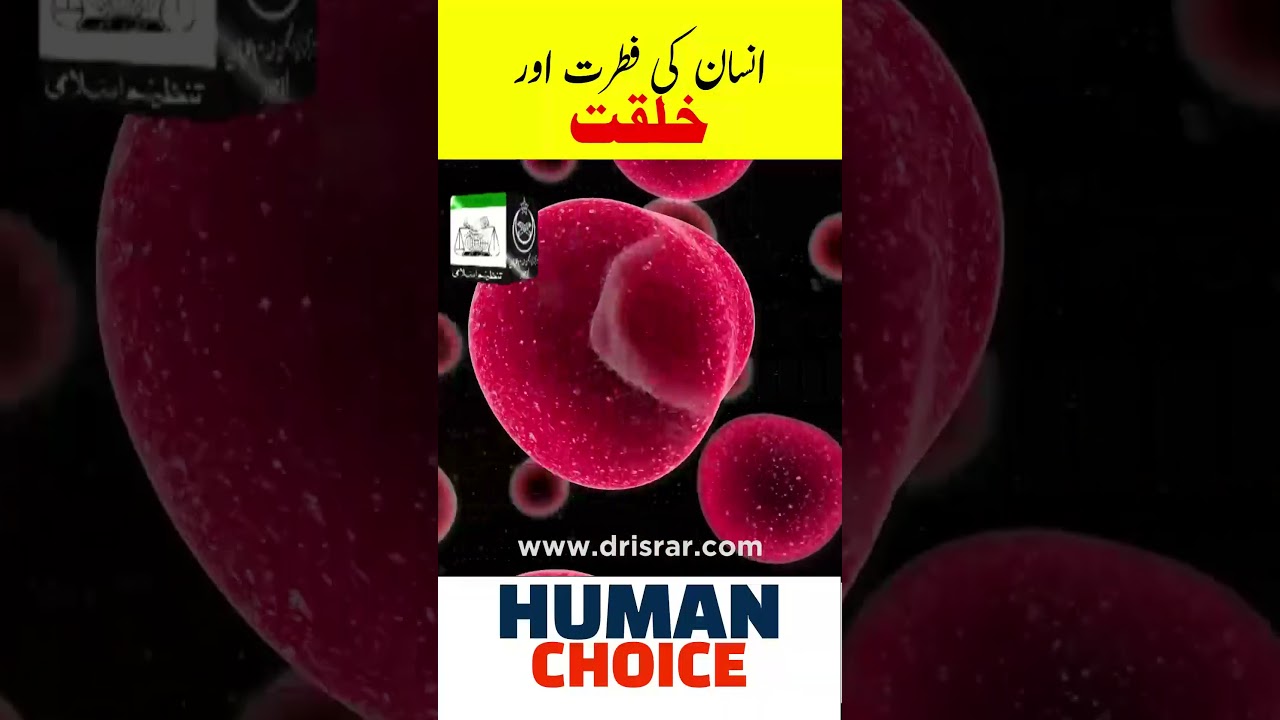
Human life begins with a unique creation, possessing inherent vitality from conception. Even before fertilization, both sperm and ovum exhibit life. All characteristics of life are present in the developing embryo. The embryo is a living organism, not an inanimate object. A crucial stage arrives approximately 120 days after conception. Prior to this, the creation is linked to four specific elements detailed in religious texts. The spirit, or soul, is infused into the embryo after this 120-day period, encompassing and permeating its very being.
48
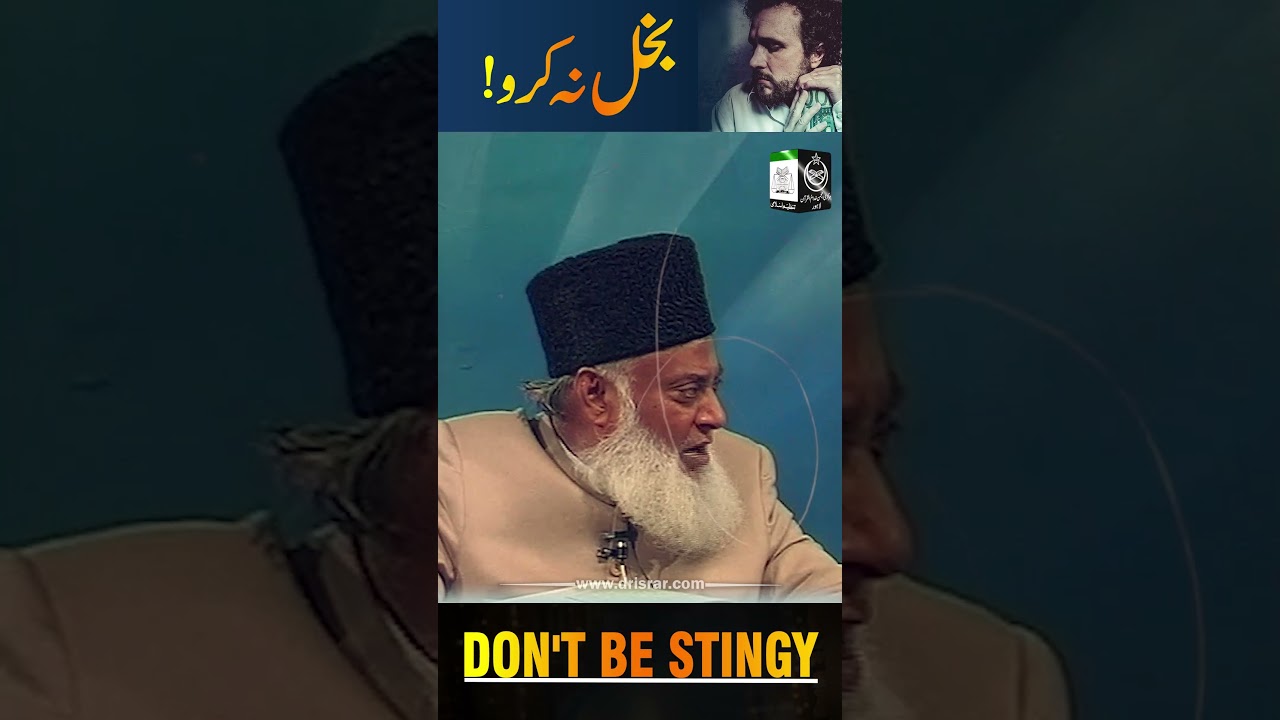
This lecture explores the negative characteristics of arrogance and miserliness, highlighting their spiritual and societal harms. It details how pride often stems from a fear of losing wealth and status, leading to stinginess and discouraging generosity. The lecture further explains how individuals consumed by these traits not only hoard their possessions but also encourage others to do the same, fearing criticism for spending. Ultimately, it warns of the severe consequences awaiting those who persist in these behaviors, emphasizing the importance of humility and generosity as virtues pleasing to God.
50
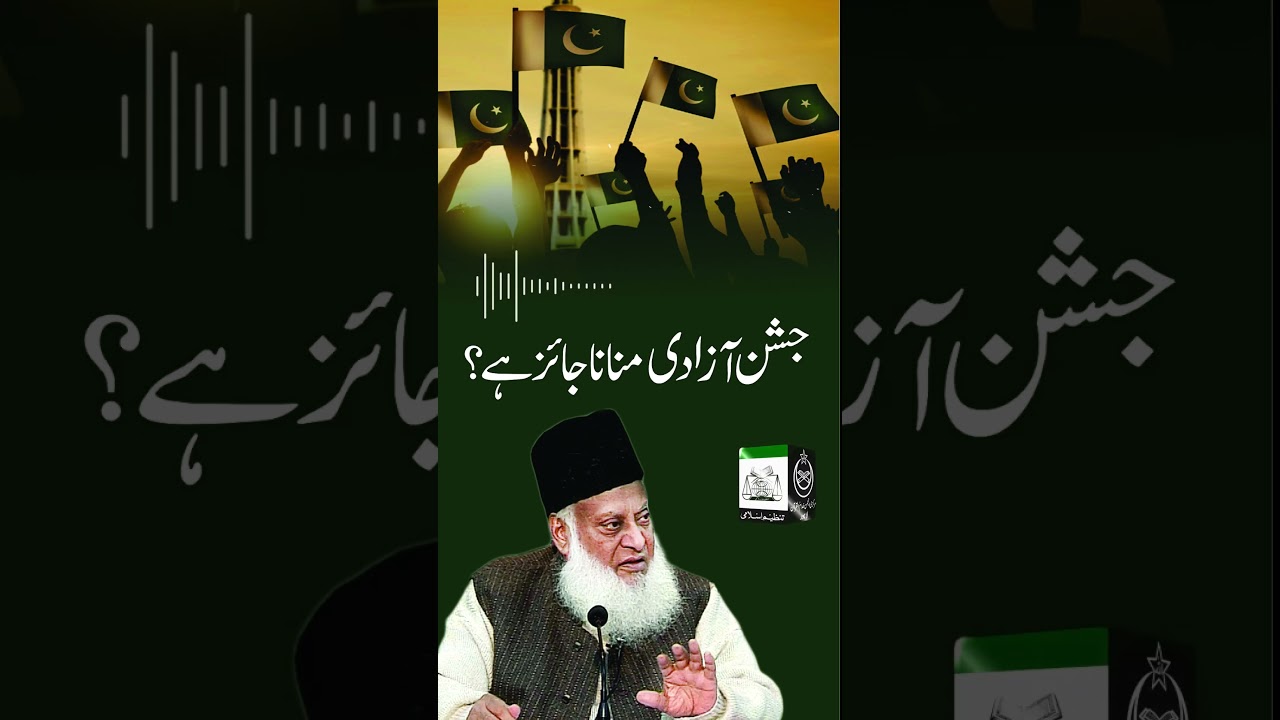
The speaker asserts that Pakistan remains systemically and politically subservient to non-Islamic forces, questioning the validity of celebrating independence in such circumstances. He contrasts true Islamic observances – Eid al-Fitr and Eid al-Adha – with celebrations he deems extraneous. He emphasizes that freedom is a significant blessing, yet one that has been largely unappreciated. The speaker urges repentance, seeking forgiveness, and dedicating one’s life to establishing Islam within Pakistan as a genuine expression of gratitude to God for the gift of independence.
64
