ショーツ
This lecture explores the dual nature of knowledge: revealed guidance and knowledge acquired through human senses and intellect. It emphasizes the responsibility of utilizing these faculties to understand the universe, analyze phenomena, and draw conclusions. The speaker highlights the importance of observation, rational thought, and the pursuit of truth through both spiritual insight and scientific inquiry. The lecture stresses that humanity has been gifted with senses, perception, and intellect and will be held accountable for their proper use in unraveling the mysteries of existence and applying that knowledge for betterment.

84

The unstoppable surge following the Prophet Muhammad's mission could not be contained by any earthly power. Neither Persian swords nor Roman legions could halt its advance. Hazrat Khalid bin Walid declared to the Romans that their numbers and weaponry were irrelevant; they faced a people who embraced death as eagerly as others cherished life. This nation’s strength stemmed from a desire for martyrdom, not worldly possessions or kingdoms. No force could defeat a people motivated by faith and the promise of eternal reward.
30
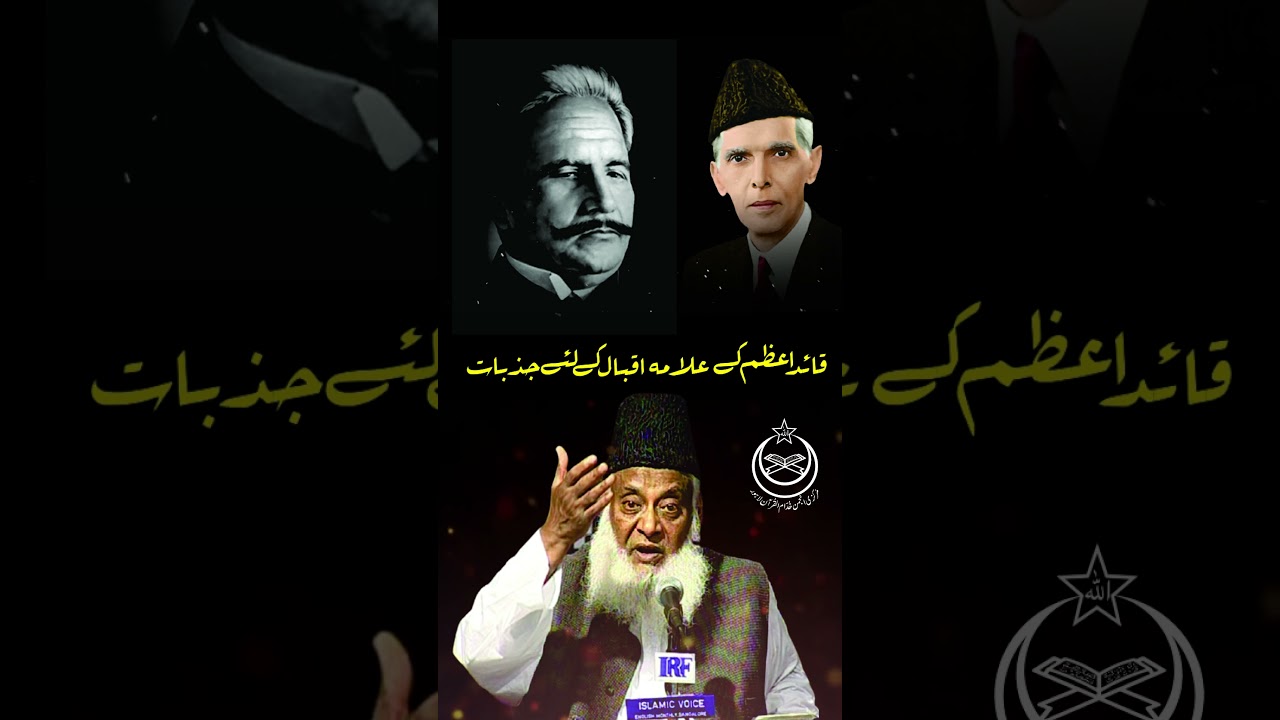
This lecture discusses the precise and deliberate manner of speech employed by Muhammad Ali Jinnah. It highlights that Jinnah was not one to engage in frivolous talk, but rather carefully considered each word before speaking. The speaker emphasizes Jinnah's commitment to accuracy and thoughtfulness in his communication, contrasting it with superficial rhetoric.
67
This lecture explores the divine protection of scriptures. It questions why, if God protected the Torah and Gospel, alterations still occurred. The argument centers on the unique preservation of the Quran, asserting that human intervention cannot corrupt its original form. The Quran's protection is explicitly stated in scripture, contrasting with the perceived lack of such protection for previous texts. Human translations and interpretations are acknowledged as sources of potential distortion, while the Quran itself remains inviolable.
43

Partial obedience is ultimately disobedience. True faith demands complete submission to divine commands. Selective acceptance of religious tenets renders all obedience void. This lecture details the severe consequences outlined in Surah Baqarah, verse 85, for those who pick and choose which aspects of faith to follow. Such individuals face humiliation in this world and intensified punishment on the Day of Judgement. The core message emphasizes that the veto power resides within one's own desires, and yielding to them when it comes to divine commands is unacceptable. Complete and sincere obedience is essential for spiritual well-being and salvation.
62
This lecture discusses the proper method of offering advice to fellow Muslims. It emphasizes that correction should be done privately and with good intentions, focusing on helping the individual improve without causing public embarrassment or damaging their reputation. The speaker stresses the importance of Muslims acting as mirrors for one another, gently pointing out flaws with the aim of betterment, not humiliation. The core principle is to offer guidance with sincerity and a desire for the other person’s well-being, fostering a supportive and constructive environment.
56
