Shorts
The central theme of the Quran is faith in the unseen, encompassing knowledge of the metaphysical realm beyond sensory perception. This knowledge, revealed through Muhammad, forms the foundation of true understanding. The Quran provides guidance on both spiritual beliefs and practical life, addressing societal, economic, and personal conduct. It delineates permissible and forbidden actions, offering a comprehensive framework for a balanced and righteous life. This lecture clarifies that the Quran’s core message isn't simply a list of do's and don'ts, but a holistic system of belief and practice.

59

To achieve any goal, one must control their base instincts and desires. Without self-discipline, life is reduced to a mere animalistic existence. A true human is defined by purpose, striving, hard work, sacrifice, and enduring hardship. Those who live without a defined purpose simply have life pass them by, falling below even the level of animals. The Quran, in Surah A'raf, compares such individuals to livestock, and even worse, as animals are created for a specific purpose, while these individuals squander their human potential.
75

This lecture discusses the inevitability of trials and tribulations in the lives of believers, referencing historical hardships faced by early Muslims, particularly during times of famine and war. It emphasizes that these tests are not punishments, but opportunities to demonstrate patience and faith. The speaker recounts instances of extreme hunger experienced by companions of the Prophet Muhammad (peace be upon him), highlighting their resilience and sharing of limited resources. The core message is that enduring hardship with patience brings divine reward and strengthens one’s connection with God.
61
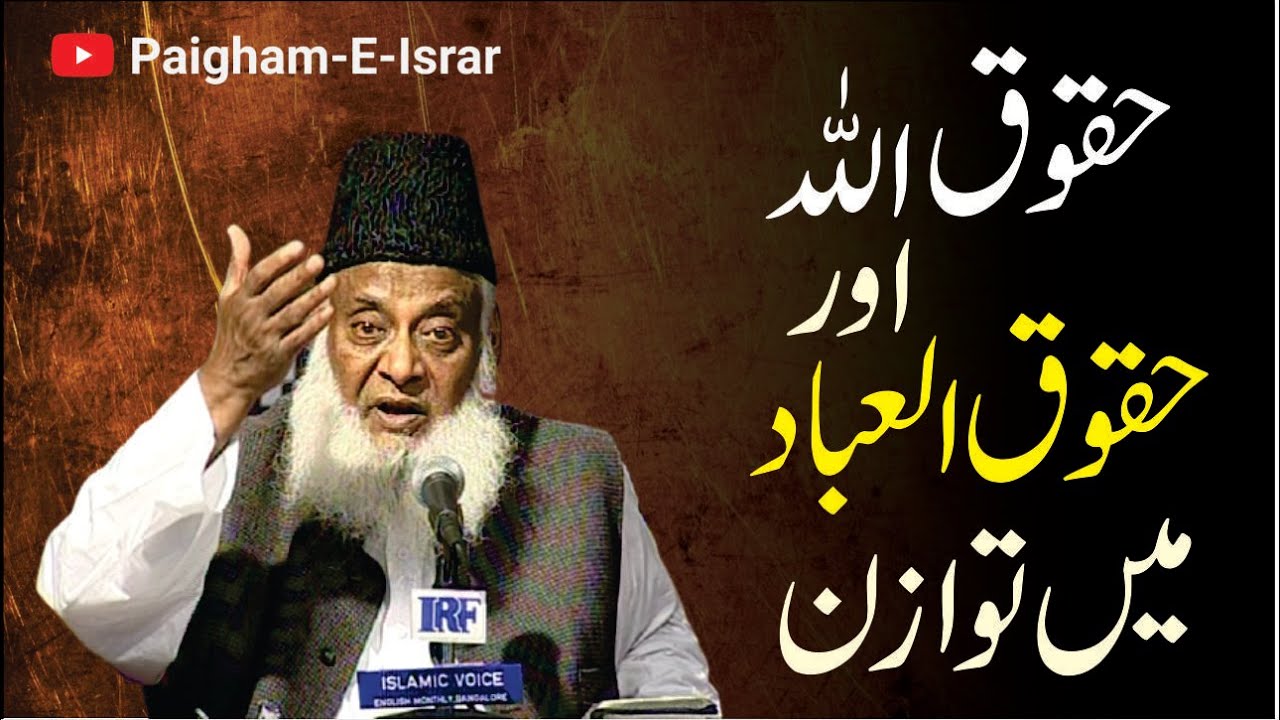
The Prophet Muhammad’s life exemplified a perfect balance between fulfilling obligations to people and devotion to God. He showed immense love and attention to his wives, ensuring their emotional well-being and rights were always met. Simultaneously, at the call to prayer, he would immediately and completely devote himself to worship, appearing as if unaware of his surroundings. This demonstrates a harmonious integration of worldly responsibilities and spiritual pursuits, highlighting the importance of both aspects of a balanced life. His behavior showed complete dedication to both rights of God and rights of people, a perfect example for all believers.
64

This lecture explores the concept of spiritual and emotional healing as presented in the Quran, specifically referencing verses from Surah Yunus. It identifies the root causes of spiritual ailments – including disbelief, polytheism, arrogance, envy, and excessive attachment to worldly possessions like wealth, status, children, and life itself. The lecture emphasizes that these attachments are instigated by Satan and are the source of inner turmoil. It posits that true healing comes through recognizing and detaching from these harmful inclinations, leading to inner peace and spiritual well-being.
56

Dr. Israr Ahmad warns of a time when the Muslim community will be left with only the name of Islam, and the Quran will be reduced to its calligraphy and letters. He emphasizes a divine guarantee for the preservation of the Uthmani script. He predicts a proliferation of mosques that are devoid of guidance, and describes scholars who will be the worst of people, fostering discord and conflict. These scholars will be the source and destination of fitna (discord), promoting sectarianism and exacerbating differences among Muslims. He observes that a vast majority of contemporary religious leaders exhibit these characteristics.
93
