Kratke hlače
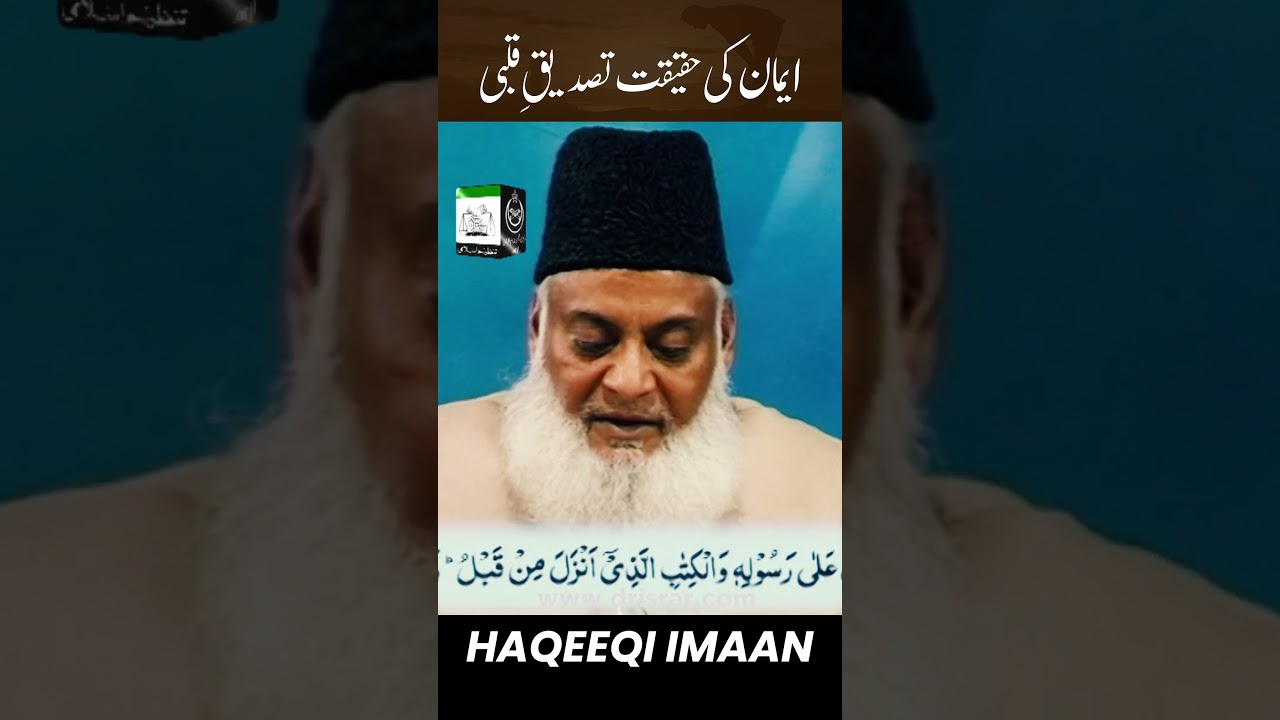
The text discusses the true nature of faith, emphasizing that genuine belief requires both verbal affirmation and sincere conviction of the heart. It contrasts this with the hypocrisy of those who profess faith but lack inner belief. The passage highlights the importance of believing in God, His angels, His books, His messengers, and the Day of Judgement. Rejecting any of these constitutes profound error and leads to severe spiritual deviation. True faith encompasses complete acceptance of divine guidance and the consequences of belief or disbelief.

46
Despite prevailing hardship and the absence of good news, divine light will ultimately prevail, as Allah will fulfill His purpose regardless of opposition. Allah sent His Messenger with a decisive message: the complete guidance of the Quran. This guidance establishes a just system – a true faith and a complete way of life – intended to triumph over all opposition. The purpose of this message is to establish a just and equitable social order, ensuring the ultimate victory of truth and righteousness.
79

This lecture explores the concept of *nafs* (the self) becoming a false deity. It argues that prioritizing personal desires over divine commands elevates the self to a position of worship. The speaker explains that obedience to *nafs* equates to servitude to a false god, illustrated by the example of Pharaoh who demanded worship from his people. Acting upon the desires of *nafs*, even when those desires involve forbidden acts, confirms its status as one’s true deity. True faith requires submission to God’s commands, not the dictates of the ego.
76
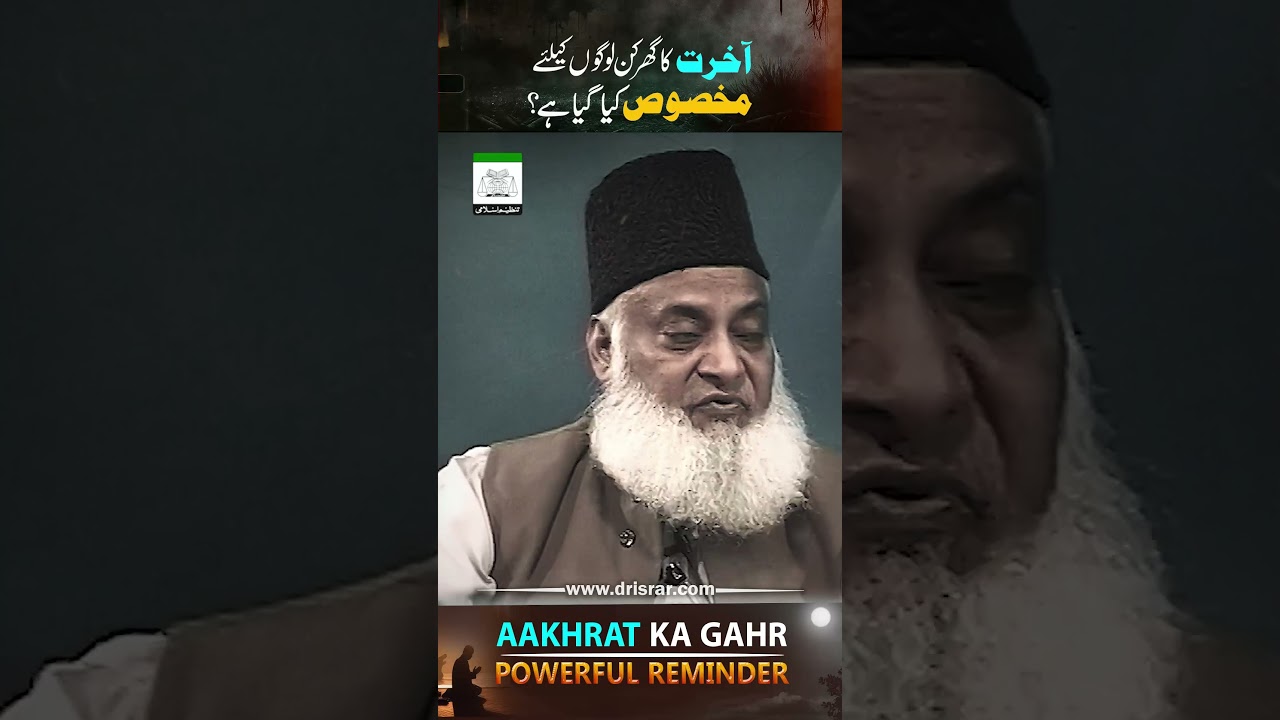
This lecture clarifies that the home of the hereafter is reserved for those who abstain from seeking power, dominance, or causing corruption on Earth. It emphasizes that this reward is specifically for the righteous, those who prioritize piety and fear of God. The ultimate outcome and blessings of the afterlife are exclusively for the God-conscious, who will experience lasting peace and fulfillment through divine grace. The lecture highlights that true success lies not in worldly achievements but in cultivating inner righteousness and striving for God's pleasure.
60
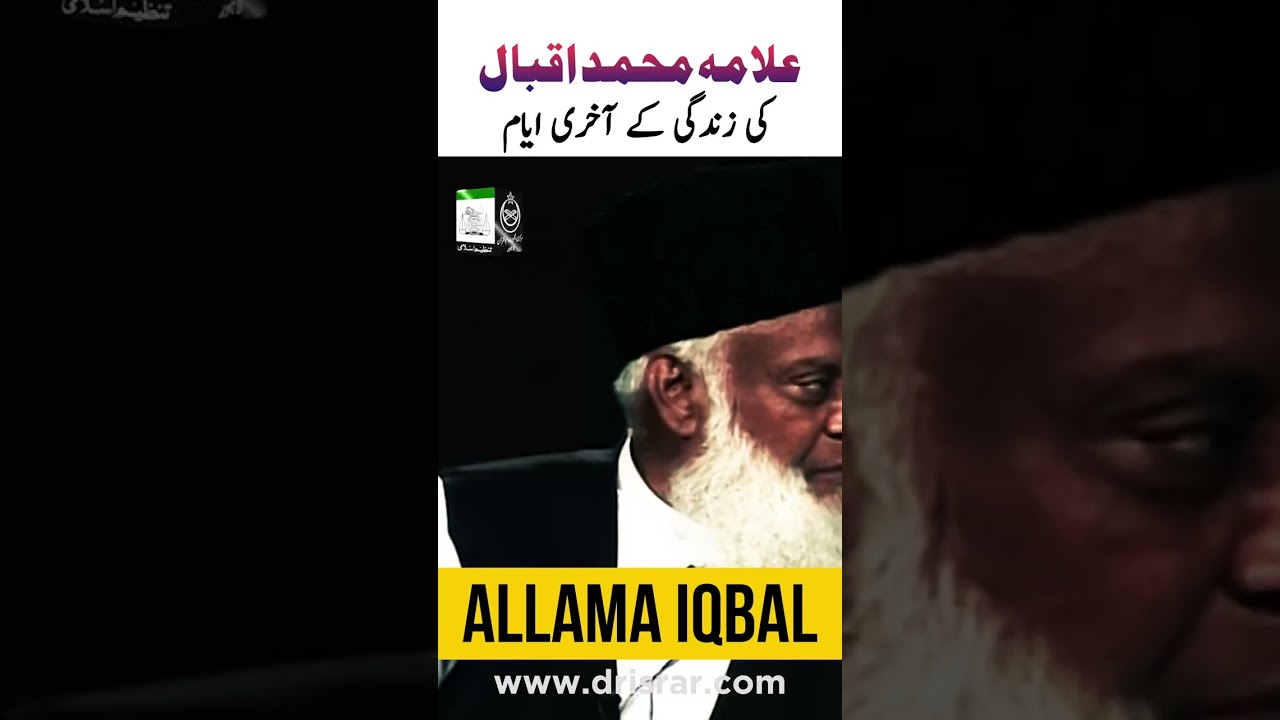
In his final days, Allama Iqbal expressed deep concern about the continuation of his mission after his passing. He feared a lack of capable successors to carry forward his work, drawing a parallel to the anxiety of Prophet Zakariya when he prayed for a son in old age. Iqbal worried about the potential inability of his relatives and those around him to follow the righteous path he advocated. He implored God for a devoted successor, mirroring Zakariya’s plea. This lecture explores these anxieties, referencing Iqbal’s famous verses, ‘Sarod-e-Raftbaz,’ ‘Nayeem-e-Az-Hijaz,’ and ‘Sar-e-Rozgar-e-In Faqir-e-Dagar Dana-e-Rah.’
52
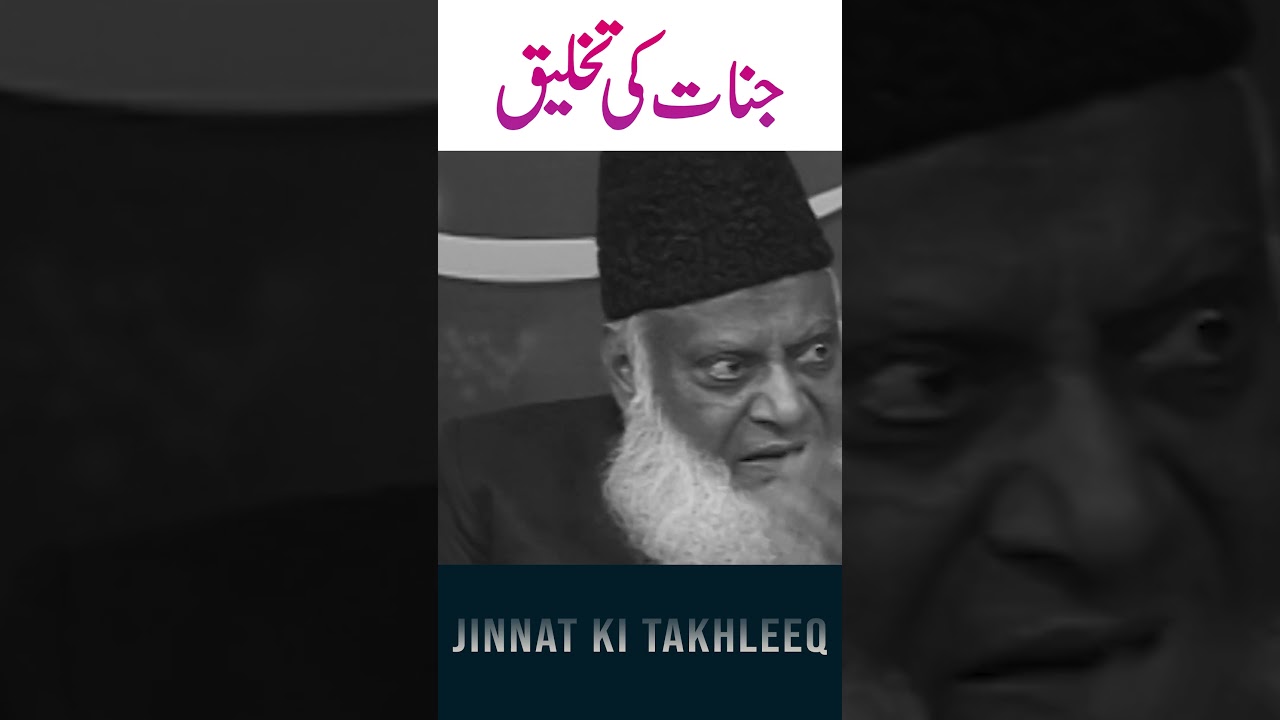
Dr. Israr Ahmad discusses the creation of Jinn and Adam, highlighting their distinct compositions and the source of their creation. He explains that Jinn were created from smokeless fire, while Adam was created from clay. This difference in origin accounts for the superiority of Adam, as he was imbued with the divine spirit (Ruh Muhammadi) that Jinn lacked. The lecture emphasizes that Adam’s creation involved a spiritual dimension absent in the Jinn, making him a more complete and worthy creation. The speaker argues that the Jinn's inferior nature stems from this lack of spiritual essence.
59
