Korte broek
The foundational step to demonstrating true faith involves abstaining from interest, upholding modesty within the home, eliminating unlawful earnings, and diligently fulfilling religious obligations like prayer, fasting, pilgrimage, and charity. Acting upon aspects of Islamic law, even amidst difficulty, is compulsory. Those unable to practice should refrain from claiming allegiance to Islam or advocating for its dominance, as hypocritical behavior damages the religion’s reputation. Consistent personal practice is essential before promoting Islamic ideals.

60
The lecture clarifies the distinction between being a Muslim—one who outwardly professes the faith—and a *mumin*—a true believer. It explains that merely claiming faith is insufficient; genuine belief requires complete trust in God and His Messenger, coupled with striving in His path with both wealth and life. The speaker references Surah Al-Hujurat, verse 14, highlighting that true faith enters the heart and manifests in dedicated action and sacrifice. A Muslim may adhere to the rituals, but a *mumin* embodies the complete essence of faith through unwavering dedication and continuous struggle for the sake of Allah.
78
This lecture discusses the concept of *shirk-e-khafi* (subtle idolatry), which is more insidious than overt *shirk*. It explains how actions performed to gain the approval of others, even during religious practices like prayer, constitute a form of hidden idolatry. The speaker illustrates this with an example of prolonging prostration in prayer when observed by others, intending to display piety rather than solely seeking God’s pleasure. Recognizing *shirk-e-khafi* is presented as extremely difficult, akin to spotting a black ant on a black stone in the darkness. The lecture emphasizes that this is a matter of the heart and requires careful self-reflection.
95
This lecture explores the distinction between faith and worldly affairs. It asserts that belief in one God, many gods, or no god is a matter of personal choice. Religious practices like fasting and worship in various places of worship are permitted. Civilization, politics, economics, and social systems – collectively termed ‘collective systems’ or ‘neopolitic-socio-economic systems’ – are separate from religion. These systems, constituting the fabric of societal organization, fall outside the realm of religious doctrine and are governed by different principles.
64
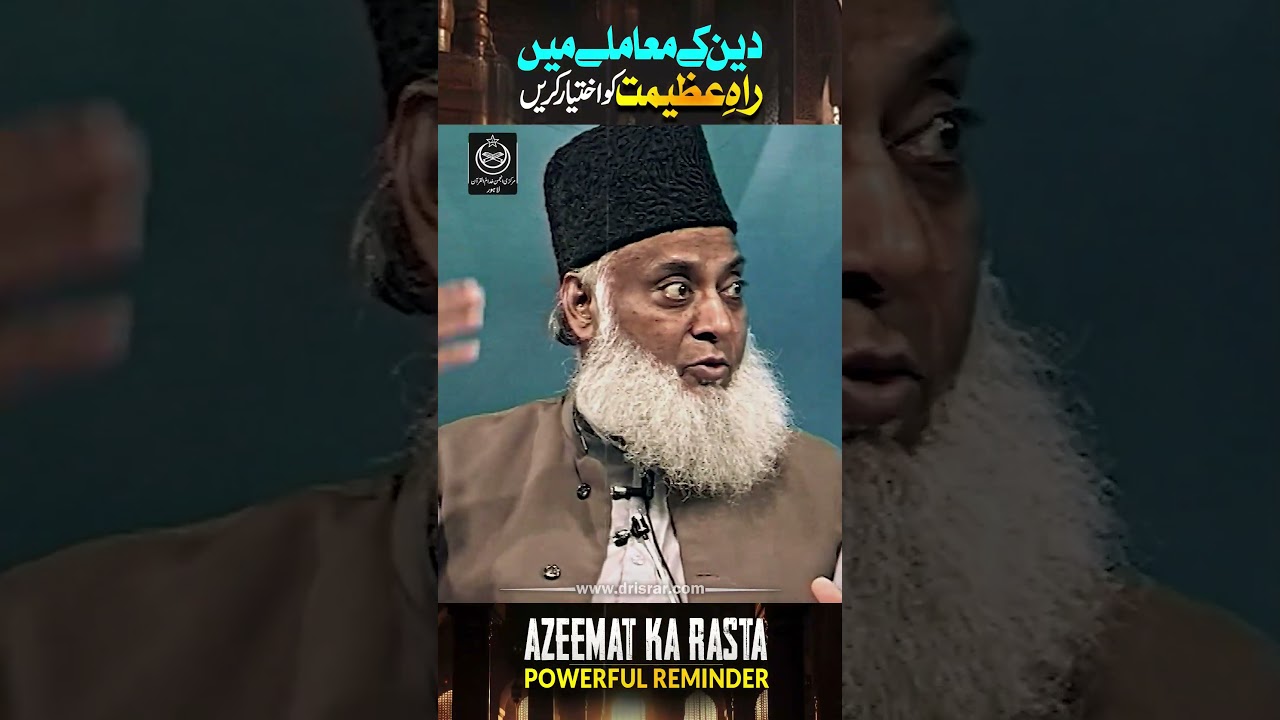
This lecture emphasizes the importance of actively listening to guidance and striving for the highest standards in faith. It contrasts a worldly acceptance of ‘good enough’ with the Islamic imperative to continually improve and pursue excellence ('ihsan'). The speaker highlights that faith is not static, progressing from Islam to Iman to Ihsan, and encourages listeners to adopt a mindset of continuous improvement in their spiritual journey. Accepting minimum requirements is discouraged; instead, a commitment to the best possible path is advocated.
69
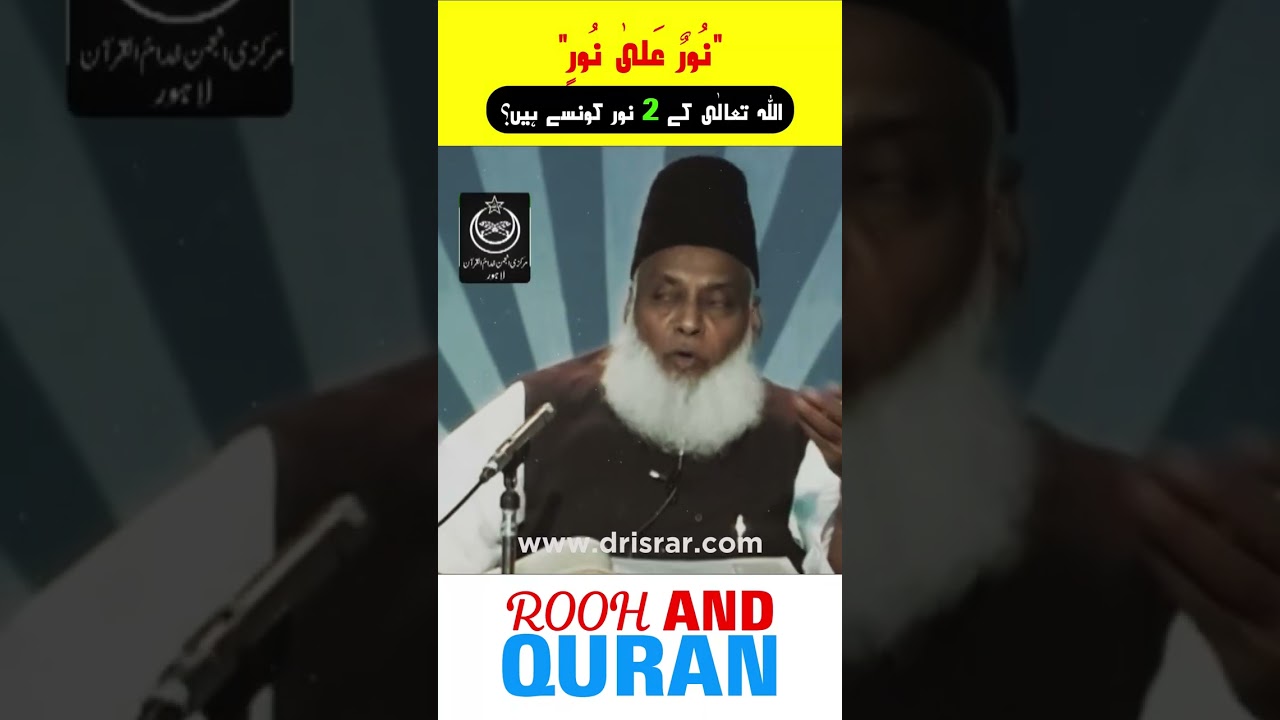
This lecture explores the concept of *noor* (light) as inherent within the human heart and soul, predating the revelation of the Quran. The Quranic light, upon its descent, awakens and activates this pre-existing inner illumination. This process is exemplified in the Prophet Muhammad’s life, where the Quran served as a catalyst for his inherent spiritual capacity. The Quran is presented as a divine guide, empowering the Prophet to lead humanity towards righteousness. The lecture emphasizes the transformative power of the Quran in illuminating the inner self and guiding others towards the straight path.
58
