Kurze Hose
This lecture emphasizes the importance of dying in a state of submission to God. It cautions against the dangers of dying while disobeying divine commands, highlighting that repentance may not always be possible before death. The speaker uses examples of individuals who died in states of disobedience, such as intoxication, to illustrate the gravity of the situation. The ultimate message is to live a life of constant vigilance and obedience, ensuring that death finds one in a state of faith and submission. Every moment should be guarded against transgression, and a life dedicated to God’s commands is essential for a peaceful and accepted death.

61
Prioritizing the purification of the heart is essential, though physical cleanliness is also necessary. Maintaining a beard is a strongly recommended tradition of the Prophet Muhammad, peace be upon him, not an obligation. While adhering to religious practices is important, genuine intention and a pure heart are paramount. Following the Prophet’s commands, even in seemingly minor matters, benefits one’s spiritual and worldly life. A clean heart and sincere intentions are foundational to a meaningful life.
55

This lecture emphasizes the reciprocal relationship between a believer and God. Remembering God leads to God remembering the believer, fostering a deep spiritual connection. The discussion highlights the importance of sincere remembrance (zikr) in gatherings and individually, leading to divine response and acceptance. True faith requires unwavering loyalty, love, and making God the ultimate beloved, surpassing all other desires and goals. This establishes a profound bond where God alone becomes the purpose and objective of life.
80
Sheikh Abdul Qadir Jilani emphasized that true power and provision come solely from Allah. Nothing possesses inherent efficacy; fire cannot burn, water cannot drown, poison cannot kill, or anything benefit without Allah’s will. Reliance should be placed entirely on Allah, not on worldly means or intermediaries. The lecture stresses complete trust in Allah for all needs and outcomes.
47
The Prophet Muhammad (peace be upon him) was asked about the most virtuous form of migration. He responded by emphasizing the abandonment of everything displeasing to God. This necessitates a self-assessment to identify and eliminate harmful practices and beliefs, aligning one's life with the spirit of Islamic law. This is the true beginning of migration – an internal purification and commitment to righteous conduct.
65
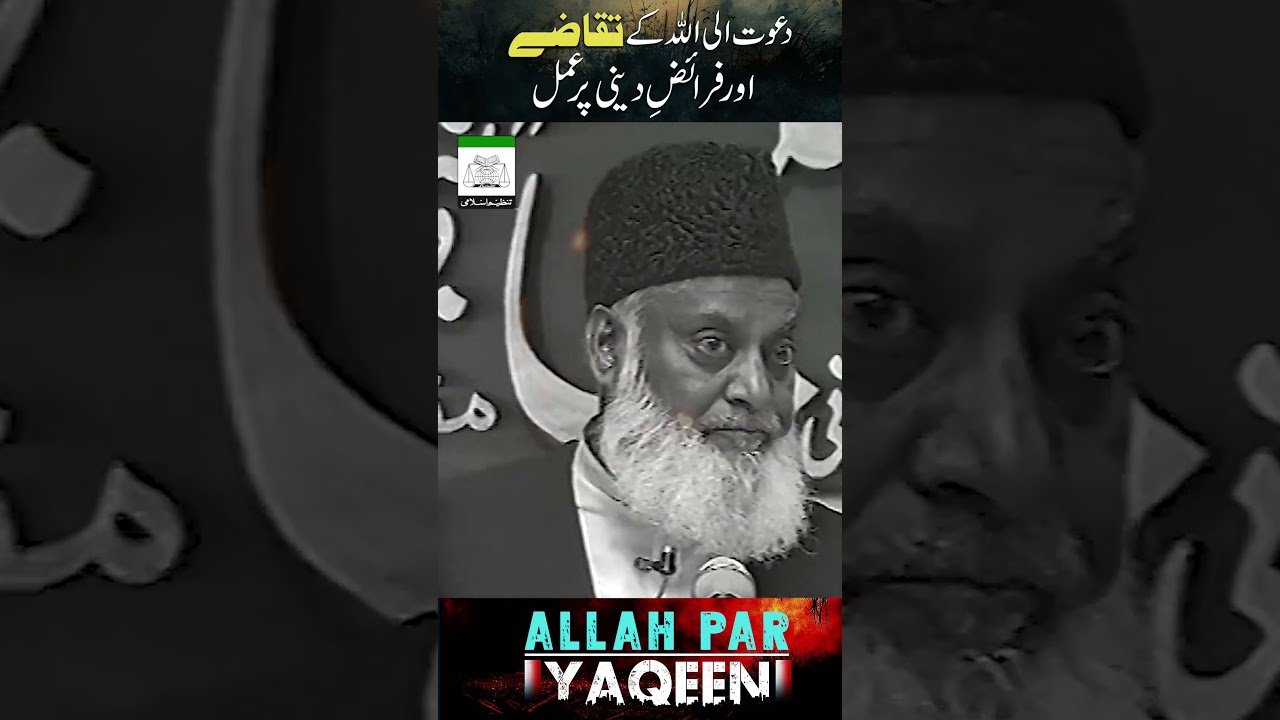
The foundational step to demonstrating true faith involves abstaining from interest, upholding modesty within the home, eliminating unlawful earnings, and diligently fulfilling religious obligations like prayer, fasting, pilgrimage, and charity. Acting upon aspects of Islamic law, even amidst difficulty, is compulsory. Those unable to practice should refrain from claiming allegiance to Islam or advocating for its dominance, as hypocritical behavior damages the religion’s reputation. Consistent personal practice is essential before promoting Islamic ideals.
52
