निकर

God’s knowledge of human actions does not negate the necessity of trials. Trials serve a dual purpose: to reveal to God what individuals will do, and to make individuals consciously aware of their own deeds. This record, maintained by angels, will be presented to each person, demanding proof of their actions. God isn't testing out of ignorance, but to establish proof of worth. The ultimate purpose is to demonstrate one’s value and determine their standing and rank in God’s eyes. This process emphasizes the importance of proving oneself and earning one's rightful place.

57

The speaker addresses a concern raised by his wife regarding his beard. He clarifies that growing a beard is a commandment of the Prophet Muhammad, following the practice of all prophets. He emphasizes the Prophet’s directive to trim the mustache and grow the beard, urging adherence to this sunnah with the expectation that acceptance will follow gradually. The discussion highlights the religious significance of beard growth as an act of obedience and a means of aligning oneself with the traditions of the prophets.
65

God states that direct communication is possible without intermediaries. Acceptance of His commands and adherence to His teachings are essential for answered prayers. He is ever-forgiving and accepts repentance. God responds to every call for help, but requires obedience, attentive listening, sincere belief, and practical implementation of His guidance. He is the most merciful and responds to those who turn to Him with sincerity and commitment.
74

This lecture addresses the plight of the impoverished, highlighting the harsh realities faced by those struggling to meet basic needs. It emphasizes that individuals preoccupied with daily survival – those who cannot consistently secure even two meals a day and labor for ten to twelve hours – are deprived of the capacity for spiritual contemplation. The speaker asserts that systemic poverty degrades humanity, reducing individuals to a bestial existence, akin to livestock. This degradation strips them of their dignity and their ability to connect with the divine.
1,417
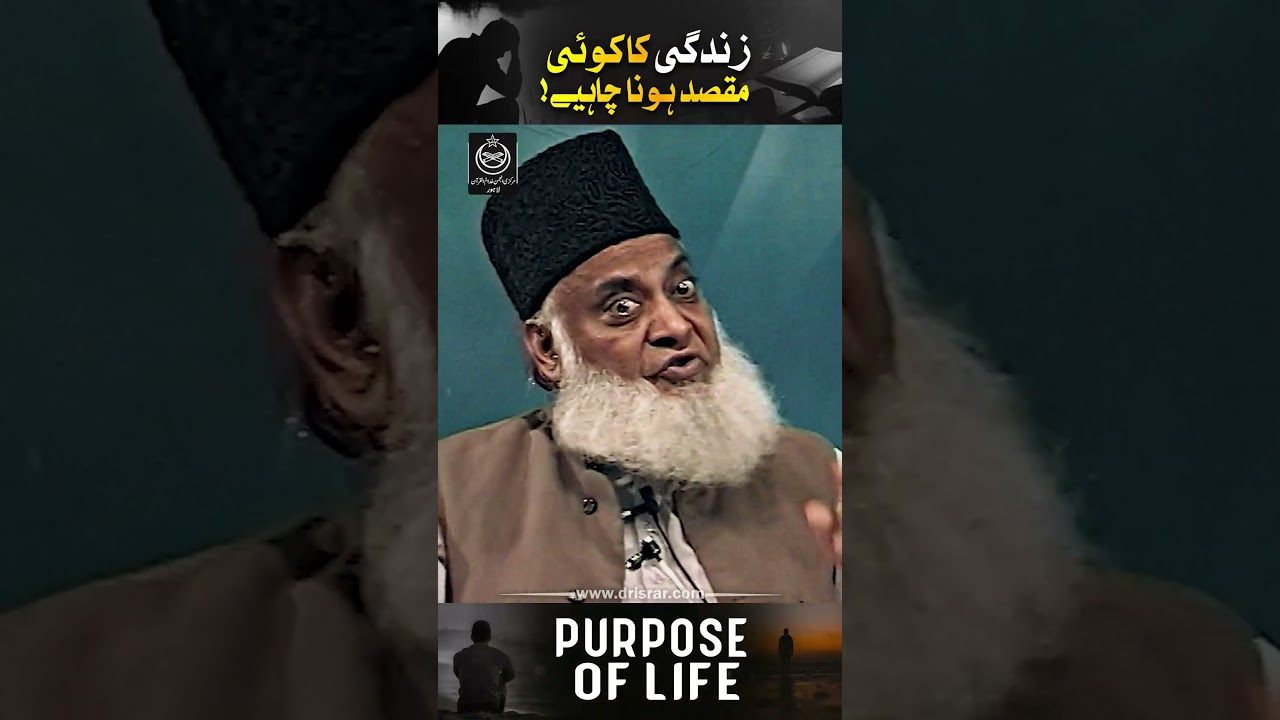
Human existence is defined by aspiration and purpose. Every individual has an ideal or a driving force. Those solely focused on basic needs – eating, procreating, and raising children – live on a purely instinctual level, akin to animals. True humanity lies in defining a higher purpose, particularly the love and devotion to God. This lecture emphasizes that the ultimate purpose of life is to seek and love God, making Him the sole objective and desire. Living and dying should be dedicated to this pursuit.
51
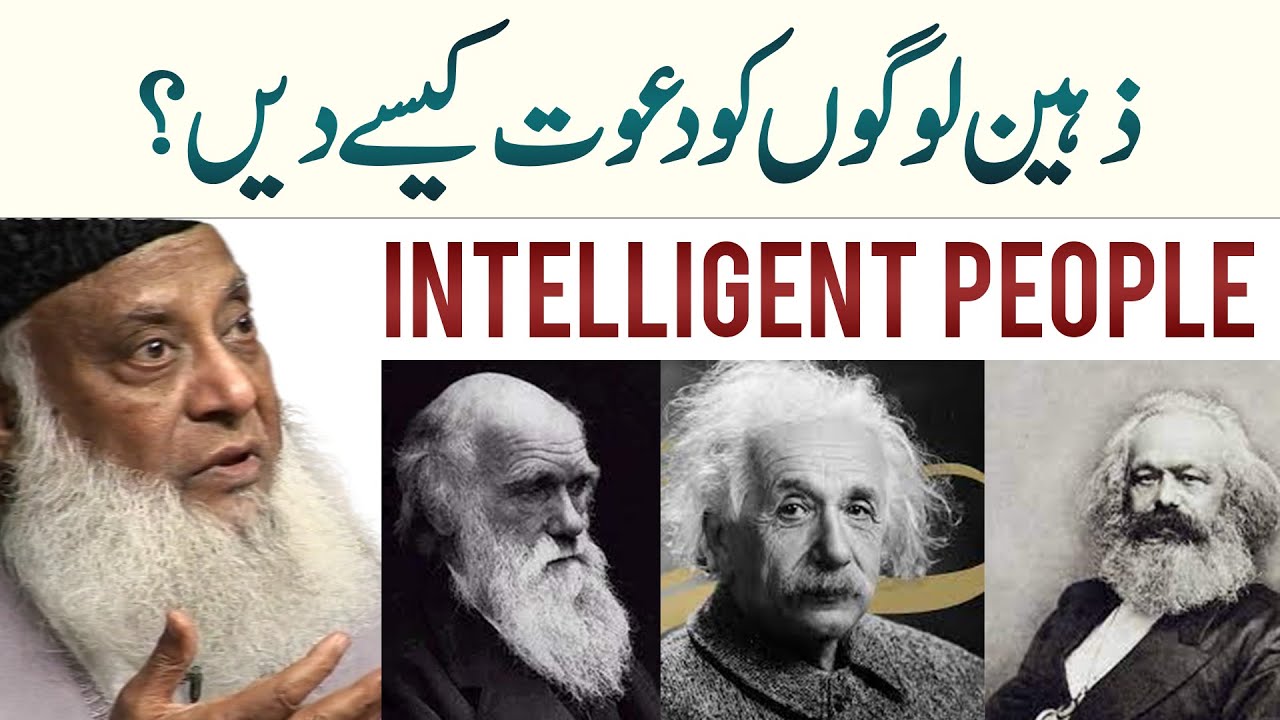
The lecture addresses the necessity of clearing the mind of conflicting ideologies, specifically Darwinian evolution and other Western philosophies, before accepting Islamic teachings. The speaker emphasizes that preconceived notions and intellectual impurities act as barriers to true understanding of religious concepts like the story of Adam and Iblis. He critiques the influence of thinkers such as Darwin, Freud, Marx, Adler, Bertrand Russell, and Sartre on contemporary thought, asserting that these philosophies obstruct a clear reception of Islamic principles. The speaker highlights the importance of intellectual purification to facilitate genuine faith and understanding.
45
