Kratke hlače
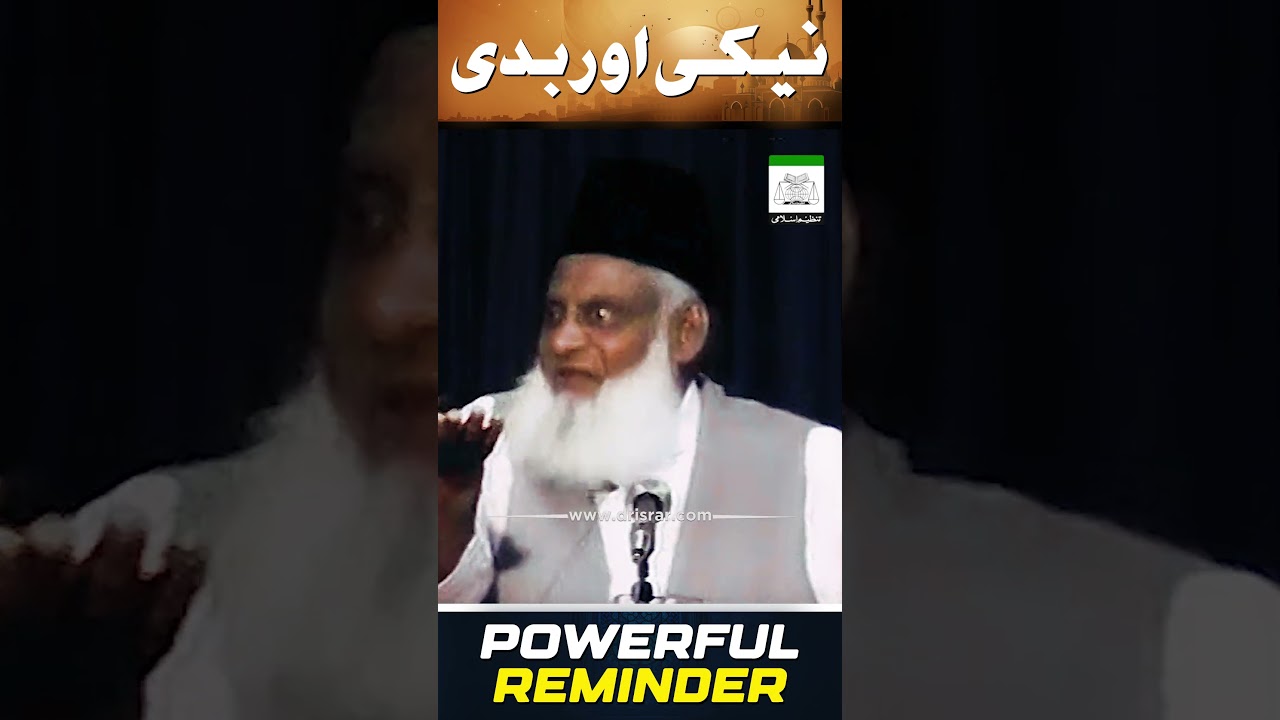
Human beings possess an inherent understanding of good and evil, stemming from a divinely inspired moral compass embedded within their nature. This internal faculty guides individuals towards righteousness and away from wrongdoing. The core principles of ethical conduct – fulfilling obligations, avoiding prohibited acts like usury and intoxicants, and embracing virtues like prayer and fasting – are foundational to this innate understanding. This inherent moral sense is not learned but rather a natural attribute of the human soul, a divine endowment that distinguishes humanity.

49

The Prophet Muhammad (peace be upon him) relayed a divine tradition: every act of worship benefits the individual, except fasting. Fasting is exclusively for God, and He alone will reward it directly. This emphasizes the unique nature of fasting as an act of devotion solely directed towards God, differing from other acts of worship where benefits are also reaped by the worshipper. It highlights the direct connection between the fasting person and God, and the certainty of divine recompense. The core message focuses on revitalizing the human spirit and strengthening its connection with the Divine.
51

The speaker illustrates the difference between accepting information based on consensus and achieving genuine belief through personal experience. Just as someone unfamiliar with sugar relies on the testimony of others, true faith requires internal verification. Until one’s ‘test bits’ – internal faculties – are active and functioning, genuine certainty remains elusive. This lecture emphasizes that belief is not merely intellectual assent, but a state attained through lived experience and internal confirmation.
58

This lecture discusses the societal expectations placed upon women, particularly within a traditional framework. It highlights the prioritization of domestic responsibilities and the perceived conflict between these duties and external activities like preaching or political canvassing. The speaker emphasizes that a woman’s primary sphere of influence is her home, and while participation in other areas isn’t forbidden, it should not come at the expense of her familial obligations. The lecture addresses the potential for conflict when societal expectations clash with a woman's desire to engage in public life and suggests a balanced approach is necessary. It suggests that societal structures will naturally slow the pace of external activities for women prioritizing their homes.
96

This lecture explains that divine assistance arrives after a thorough testing of one’s sincerity and purity. The speaker emphasizes that Allah tests individuals completely to confirm their true worthiness before providing help. True assistance manifests only when one’s inner self is proven genuine. The lecture draws a parallel to a gardener nurturing a garden, suggesting that divine intervention, like the arrival of angels, occurs after meticulous preparation and a demonstration of genuine effort. It highlights that Allah observes and tests before bestowing blessings.
94

This lecture explains that accountability for evil deeds is direct and proportionate to the harm caused. Conversely, the acceptance of good deeds is contingent upon faith—belief in God, the Day of Judgement, angels, scriptures, and prophets. Giving to relatives, orphans, and the needy are also emphasized as integral aspects of righteous conduct. True piety isn’t merely outward displays of devotion, but sincere belief and action rooted in faith. The core message stresses that actions are judged based on intention and belief.
54
