Celana pendek

Allama Iqbal eloquently states that a Muslim's life is defined by adherence to a constitutional framework – the Quran. This framework sustains the Muslim community, analogous to the body sustained by the soul. Just as a body ceases to function without a soul, the community’s vitality depends on the Quran. The Quran is the heart of the Muslim community, a guiding force and connection to God. Without this divine connection, existence is meaningless; the community is merely dust without a guiding light. The Quran is the rope of God, providing strength and direction. A life devoid of this connection lacks purpose and substance.

64

The lecture clarifies that love for anyone or anything should not equal or exceed love for God. Equating love with God constitutes *shirk* (associating partners with God). The Quran states some people create equals to God and love them as they should love God. True believers, however, possess a stronger love for God. Love for parents and children is permissible, but it must not surpass the love for God. This principle ensures devotion remains solely to God, preventing the elevation of created beings to a level comparable to the Creator.
61

This lecture emphasizes the transient nature of worldly life and the importance of preparing for the afterlife. It highlights that life in this world is merely a temporary diversion, like a game or play, and true life resides in the hereafter. The speaker stresses that the passage of time feels incredibly swift, akin to a few hours when viewed from the perspective of eternity. A firm belief in this reality should empower individuals to face trials and tribulations with resilience, knowing that death is an inevitable journey toward union with the Beloved – Allah. The lecture encourages a joyful acceptance of death as the lifting of a veil separating us from our ultimate home and true happiness.
60
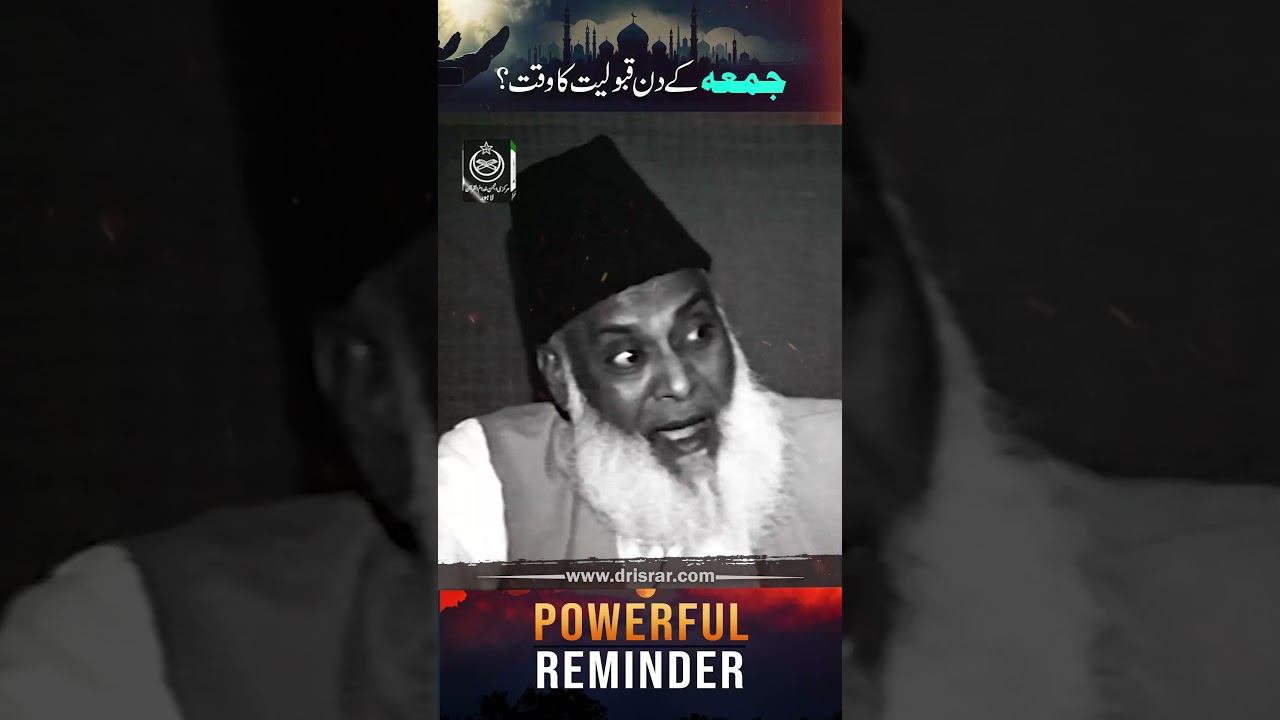
This lecture details a specific, undisclosed hour on Friday when prayers are believed to be particularly effective. Various interpretations exist regarding its timing. Some scholars suggest it's the period between the two khutbas during Jummah prayer. Others believe it spans from immediately after the Jummah prayer until Asr. Consequently, many observant Muslims spend this time in mosques, engaging in remembrance and recitation of the Quran. The precise timing remains intentionally concealed, adding to its spiritual significance.
67
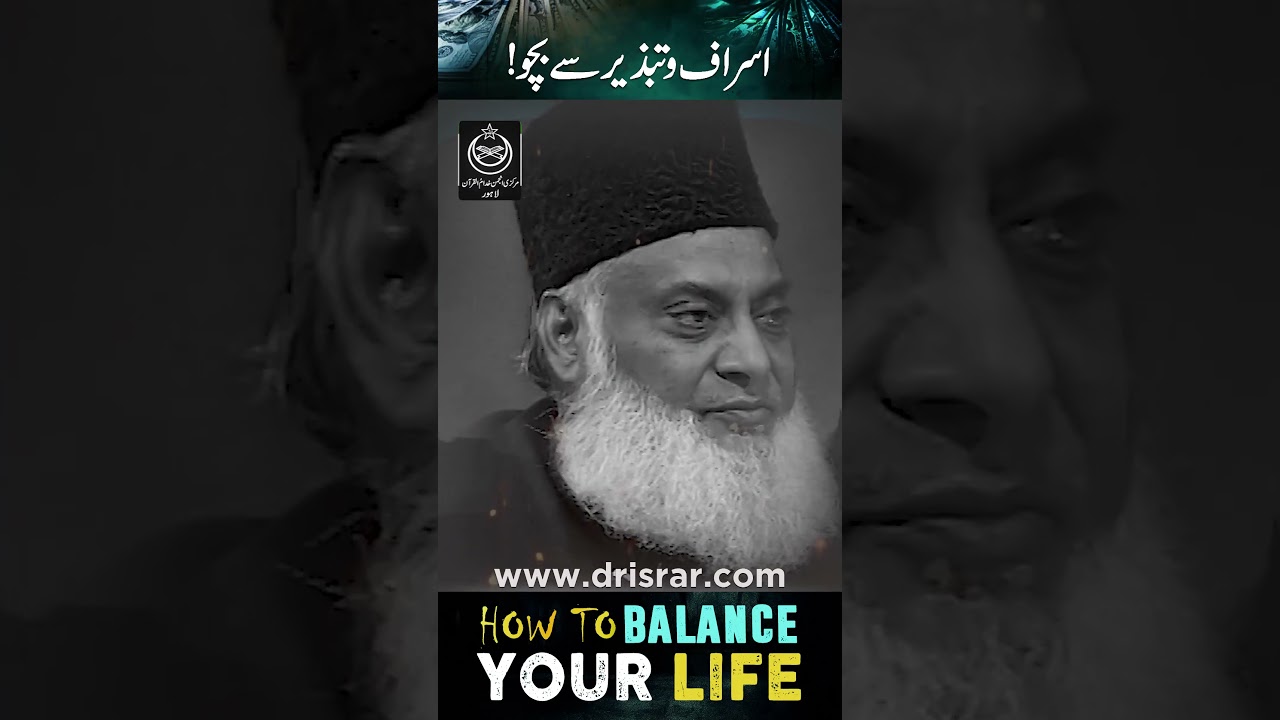
Extravagance is a grave sin, defined as spending beyond necessity. Basic needs like food and clothing are sufficient; excessive consumption is wasteful. The text condemns the lavish spending on weddings and displays of wealth motivated by vanity. It draws a parallel between those who squander their resources and the companions of Satan, emphasizing that wasteful spending is a characteristic of those who stray from righteous conduct. The core message is to avoid extravagance and prioritize responsible use of wealth.
67
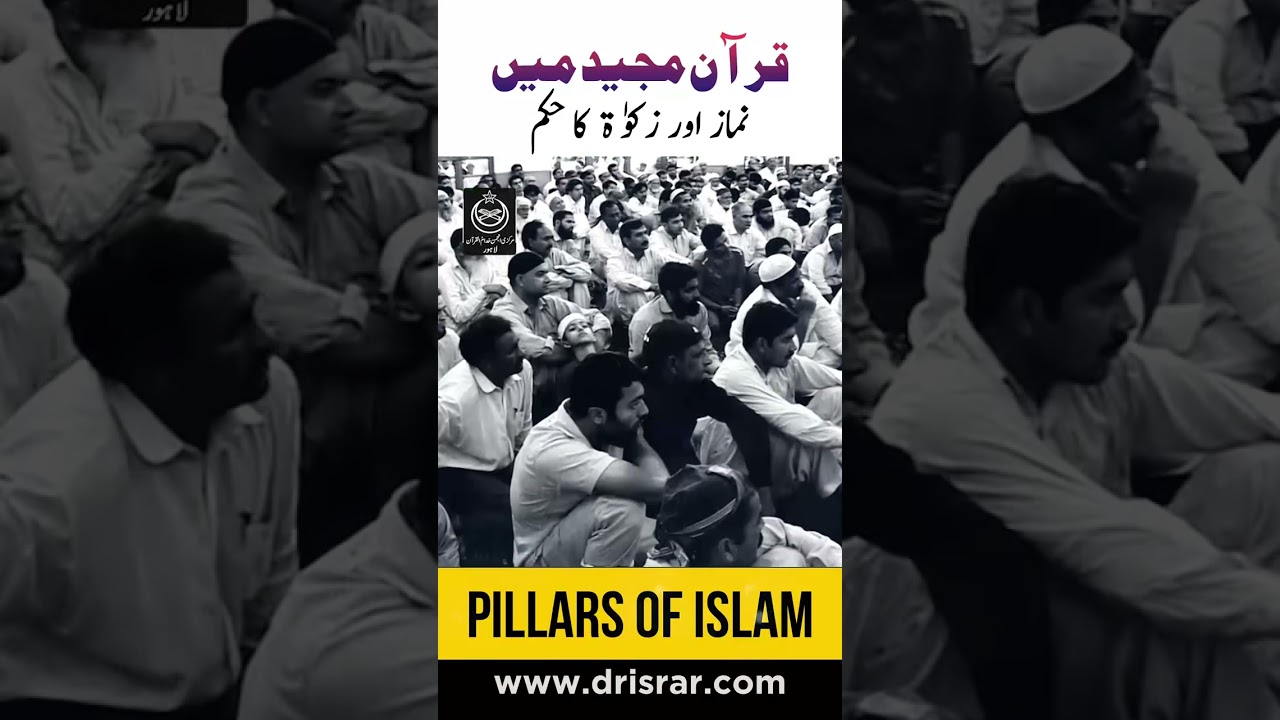
The Quran places significant emphasis on the performance of Salah (prayer) and Zakat (charity), repeatedly outlining their importance. While instructions regarding fasting and Hajj are present, the Quran dedicates numerous verses to Salah and Zakat. The complete rulings on fasting are concentrated within six verses of Surah Baqarah, while mentions of fasting elsewhere primarily relate to expiation. Fasting, as an independent pillar of Islam, lacks the same consistent, detailed emphasis as Salah and Zakat throughout the Quran.
59
