Shorts
This lecture discusses the proper method of offering advice to fellow Muslims. It emphasizes that correction should be done privately and with good intentions, focusing on helping the individual improve without causing public embarrassment or damaging their reputation. The speaker stresses the importance of Muslims acting as mirrors for one another, gently pointing out flaws with the aim of betterment, not humiliation. The core principle is to offer guidance with sincerity and a desire for the other person’s well-being, fostering a supportive and constructive environment.

61
The existence of multiple deities would inevitably lead to chaos and disorder within the universe, disrupting the established harmony. Conflicting wills and opinions would prevent the precise, balanced operation of creation. The consistent order observed—where every action aligns with its intended consequence—demonstrates a single, unifying will governing all existence. This consistency serves as proof of the oneness of God.
52
This lecture explains that determining the precise status of an expert in any field can only be done by someone superior in that same field. Applying this principle, no prophet can fully comprehend the elevated status of Prophet Muhammad ﷺ, as no one surpasses him. The lecture emphasizes that understanding the true rank of Prophet Muhammad ﷺ is beyond the capacity of any being, including other prophets, and is a matter of faith for the common person.
76
This lecture addresses the proper way to assist individuals trapped in debt or facing business failure. It emphasizes empowering them to regain financial independence, rather than providing perpetual financial support which perpetuates their dependency. The speaker advocates for strategic assistance that enables individuals to rebuild their lives and become self-sufficient members of the community, particularly within minority groups. The focus is on enabling sustainable recovery, not simply maintaining a state of need.
43
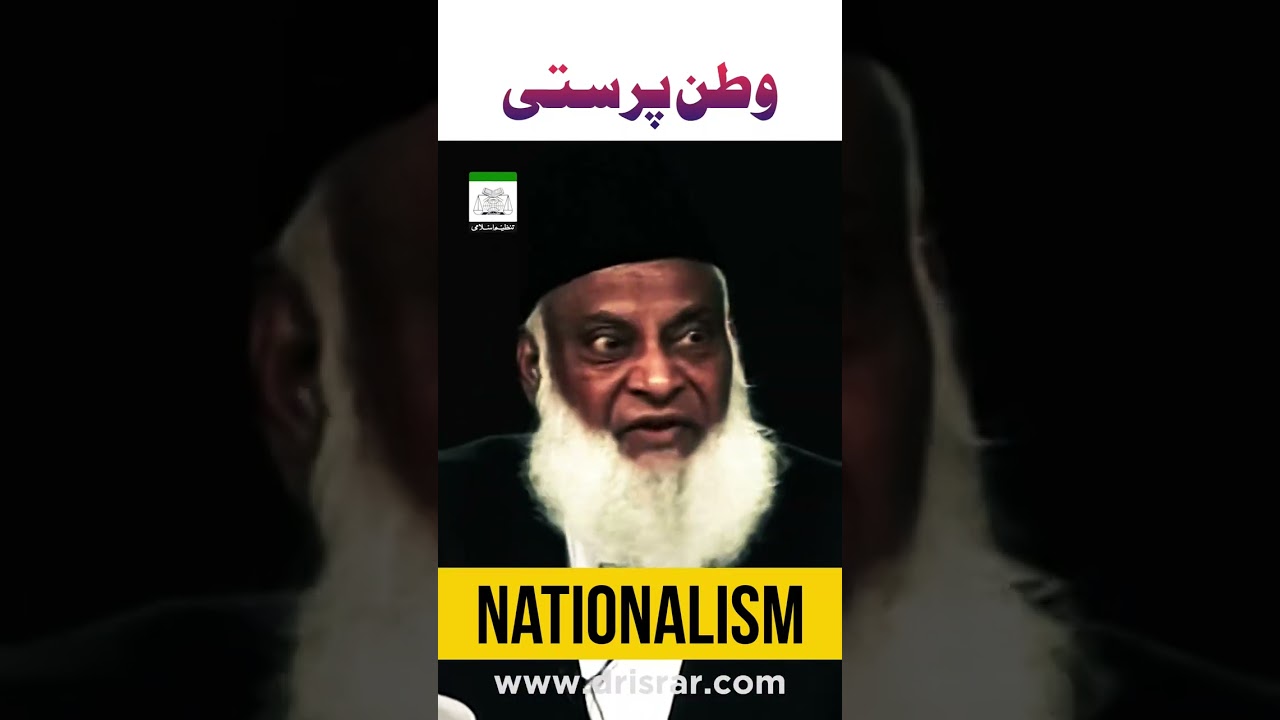
This lecture explores the concept of national identity, presenting the nation-state as a modern construct akin to a deity. It argues that in the contemporary era, the nation has replaced traditional faiths as a primary source of allegiance and purpose. The poem emphasizes the nation’s all-encompassing nature, where national identity is interwoven with religious belief. The speaker calls for strength derived from the principles of Tawhid (Oneness of God) and emphasizes the importance of Islam as a guiding force for the nation. The lecture ultimately proposes that patriotism, when rooted in Islamic values, can be a powerful force for national progress and spiritual elevation.
48
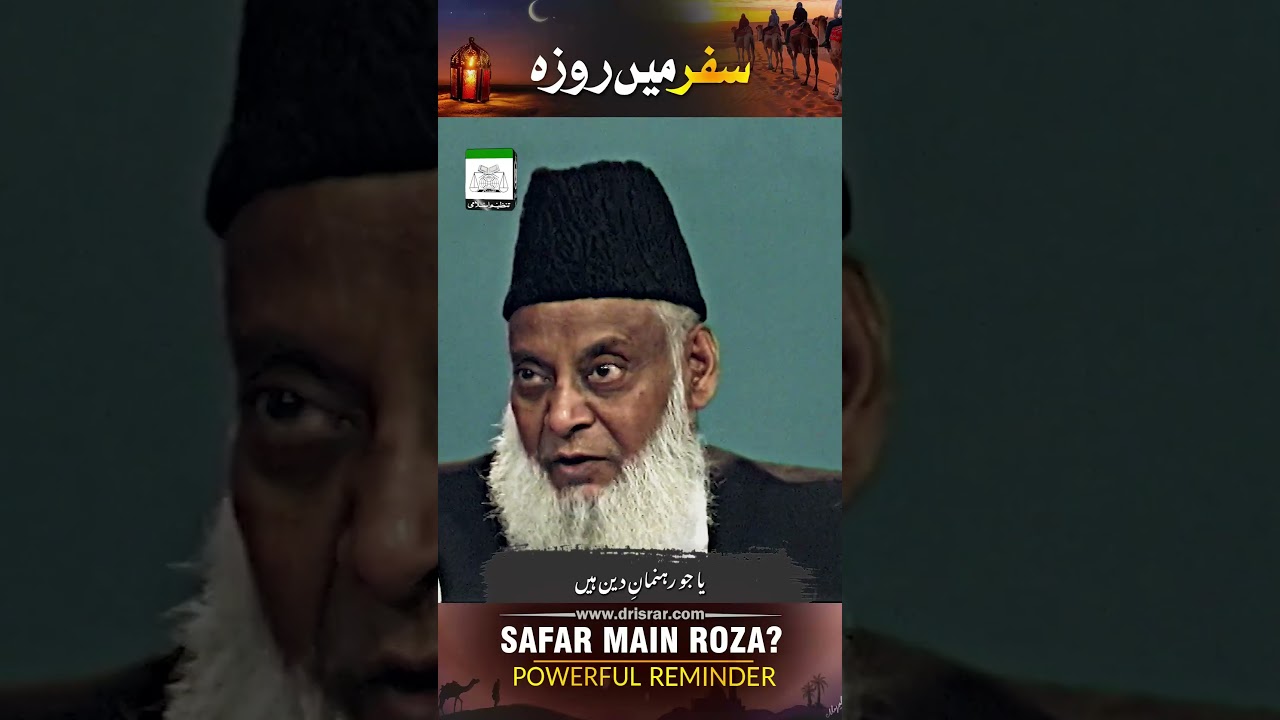
This lecture clarifies the purpose of fasting during Ramadan, emphasizing Allah’s desire for ease, not hardship. It addresses a rigid interpretation of religious obligations, specifically concerning fasting while traveling or during illness. The speaker explains that imposing unnecessary strictness upon oneself contradicts the spirit of Islam, which aims to alleviate burdens. True piety lies in understanding the intent behind religious practices and prioritizing ease and accessibility, mirroring the Prophet’s teachings to create facilitation, not difficulty. The lecture cautions against extremism and encourages a balanced approach to faith, focusing on the core principles of Islam rather than superficial adherence to rituals.
77
